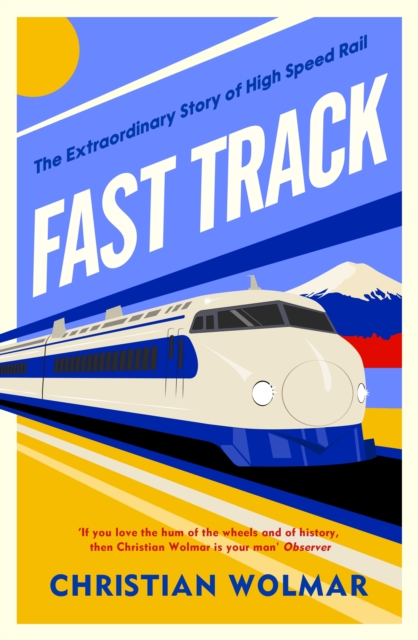
Pre-order this global history of high speed rail, from the railways' "e;wisest, most detailed historian"e; (The Observer)'The greatest expert on British trains' GUARDIAN'The high priest of railway studies' LITERARY REVIEW'Our most eminent transport journalist' SPECTATOR'If you love the hum of the wheels and of history, then Christian Wolmar is your man' OBSERVERSleek, comfortable, accessible, and sustainable, high-speed rail is the future.
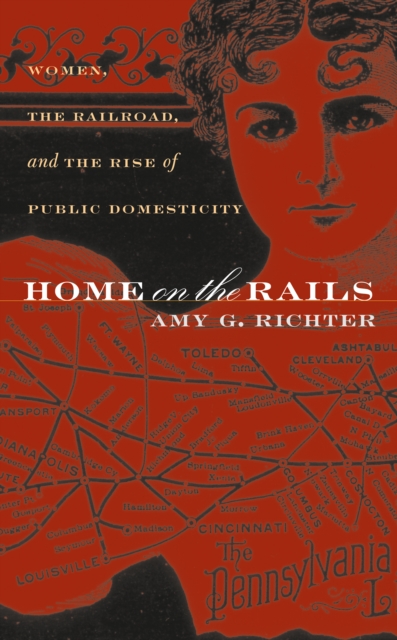
This book describes the southern Republicans' post- Civil War railroad aid program--the central element of the Gospel of Prosperity"e; designed to reestablish a vigorous economy in the devastated South.
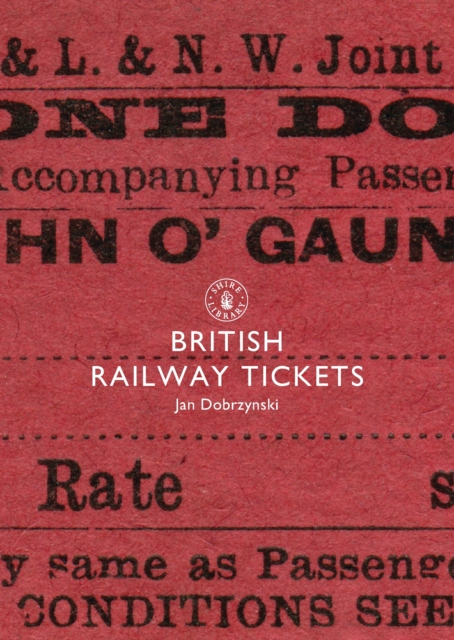
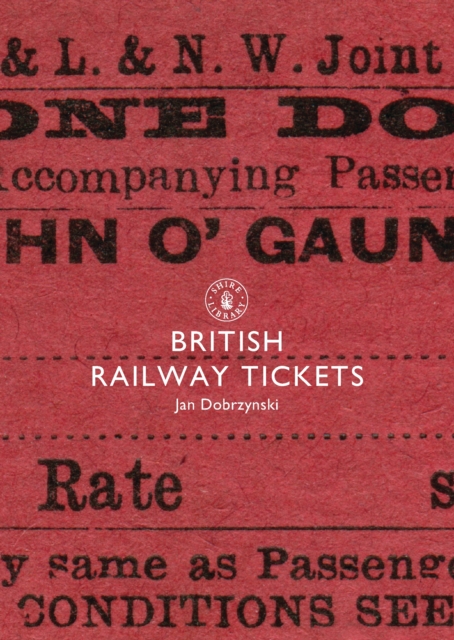
In 1838 Thomas Edmondson, an employee of the fledgling Newcastle & Carlisle Railway, revolutionised the ticket issuing process in Britain and left an enduring legacy: the Edmondson ticket.
In 1838 Thomas Edmondson, an employee of the fledgling Newcastle & Carlisle Railway, revolutionised the ticket issuing process in Britain and left an enduring legacy: the Edmondson ticket.
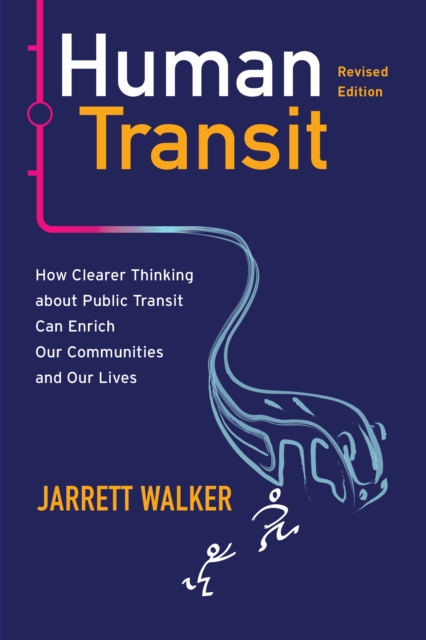
An updated and expanded new edition of an acclaimed book about how to make public transportation work better for everyoneTransportation expert Jarrett Walker believes that transit can be simple, if we focus on the underlying geometry that all transit systems share.
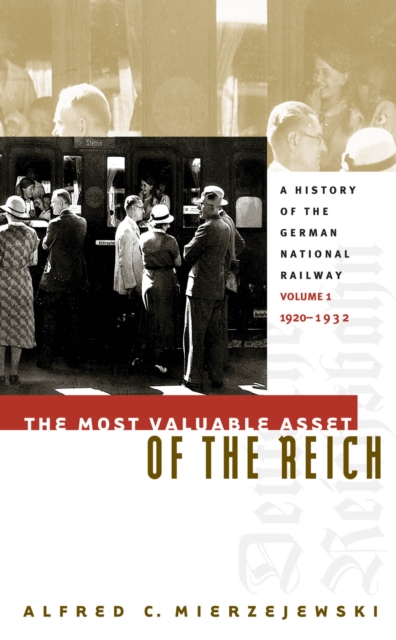
The largest enterprise in the capitalist world between 1920 and 1932, the Deutsche Reichsbahn (German National Railway) was at the center of events in a period of great turmoil in Germany.
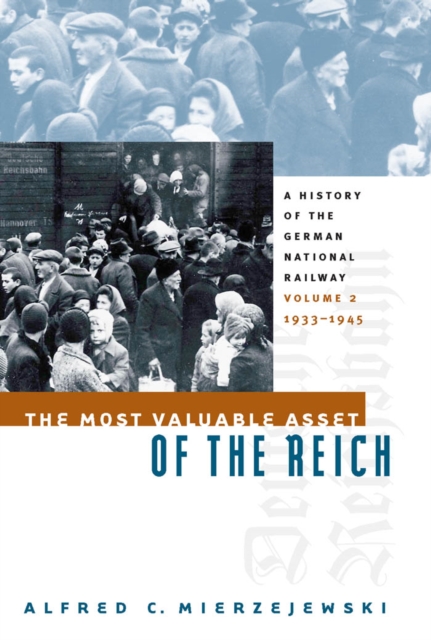
The largest enterprise in the capitalist world between 1920 and 1945, the Deutsche Reichsbahn (German National Railway) was at the center of events in a period of great turmoil in Germany.
The largest enterprise in the capitalist world between 1920 and 1932, the Deutsche Reichsbahn (German National Railway) was at the center of events in a period of great turmoil in Germany.
An updated and expanded new edition of an acclaimed book about how to make public transportation work better for everyoneTransportation expert Jarrett Walker believes that transit can be simple, if we focus on the underlying geometry that all transit systems share.
The largest enterprise in the capitalist world between 1920 and 1945, the Deutsche Reichsbahn (German National Railway) was at the center of events in a period of great turmoil in Germany.
Since the railway's TOPS coding system was introduced in the 1970s, much has changed in the railfreight sector, notably rail privatisation in the mid-1990s.
The Mid-Norfolk Railway is a distinctive heritage line which runs for nearly 12 miles through the rolling Norfolk countryside between the market towns of Dereham and Wymondham.
'One journey into a stormy Cornish night that you won't want to miss' Tom Hindle 'A fabulous, evocative setting, mysterious characters hiding dark secrets, and a plot that's as treacherous as a walk along the cliff edge in stormy weather.
A captivating journey blending memoir, history, and biography that takes the reader on one of the world's most famous trains and tells of carving the dramatic route it follows, while pondering other international railways through the eyes of travellers past and present.
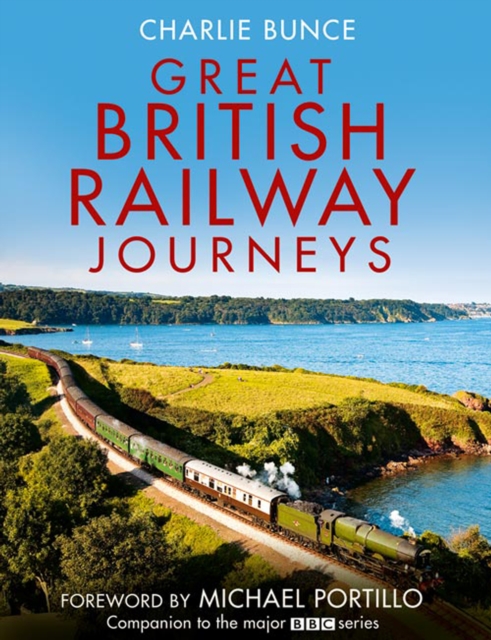
TEXT ONLY EBThe Sunday Times BestsellerA glorious insight into Britain over the last 150 years - its history, landscape and people - from the window of Britain's many and magnificent railway journeys.
The Sunday Times BestsellerA glorious insight into Britain over the last 150 years - its history, landscape and people - from the window of Britain's many and magnificent railway journeys.
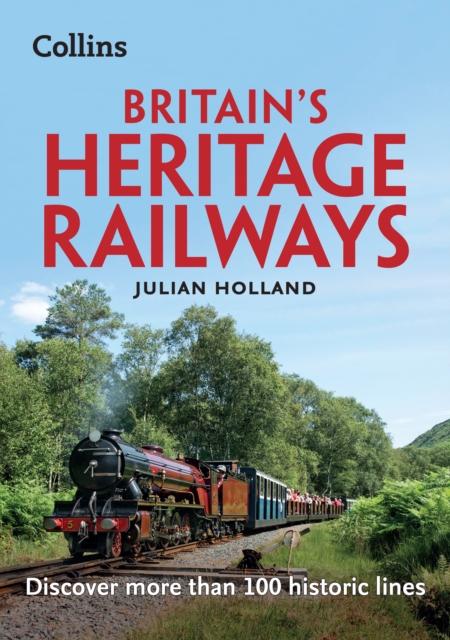
The essential guide to exploring Britain's last remaining historic lines, Britain's Heritage Railways is ideal for anyone planning or looking for a nostalgic railway trip.
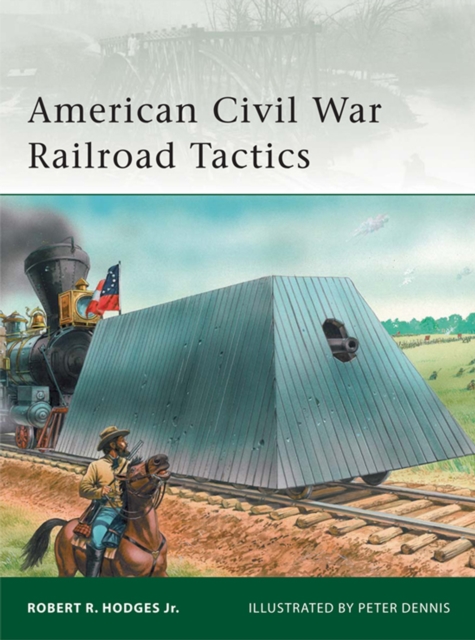
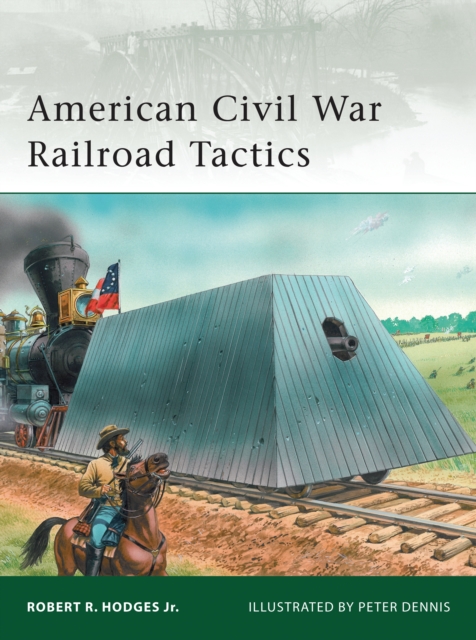
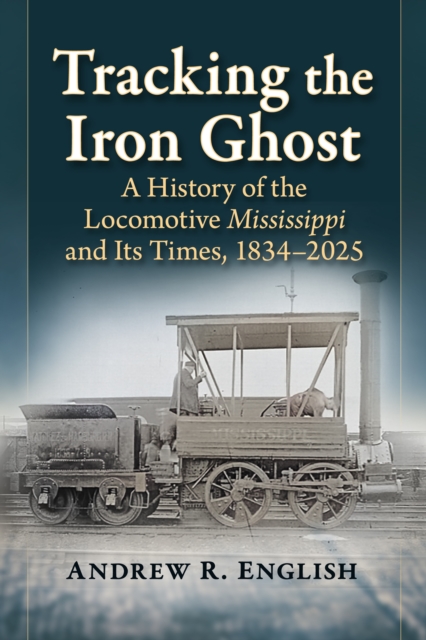
A front-line participant in the Civil War, the small locomotive Mississippi carried the first railgun used in war, and was later captured and put into service for the Union.
Passengers travelling on the Hastings Line, between Battle and Robertsbridge in Sussex, may well be surprised to observe a clearing in the forest where railway sidings have been laid.
There are twenty-four railway stations in Warwickshire and these comprise the full range from busy town-centre main-line stations to quiet rural branch-line halts.