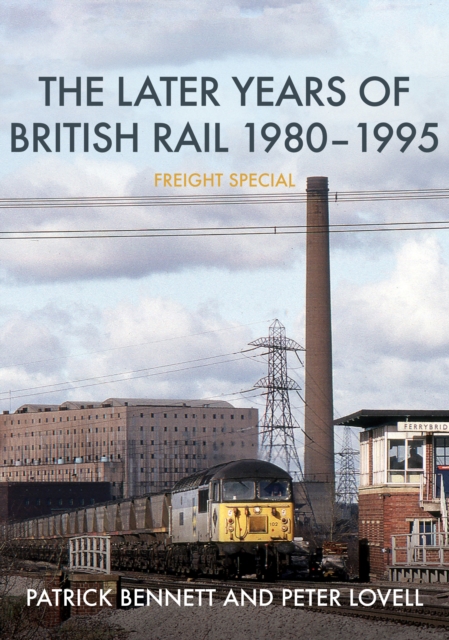
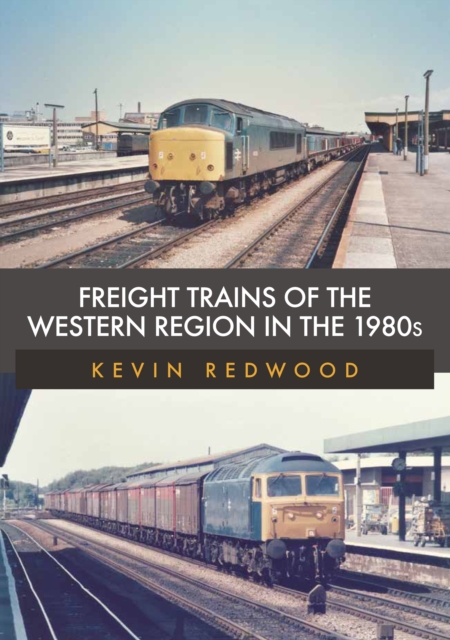
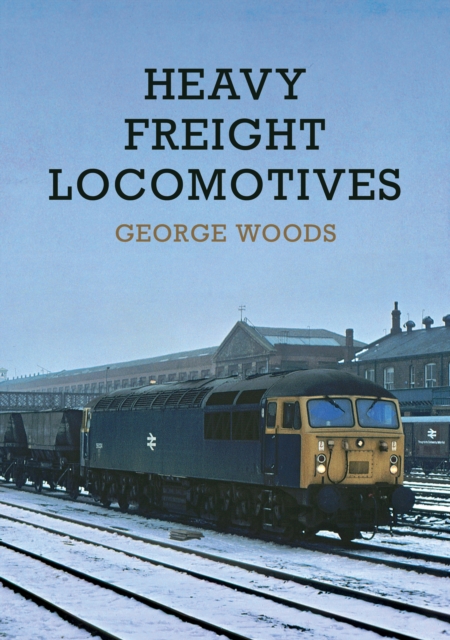
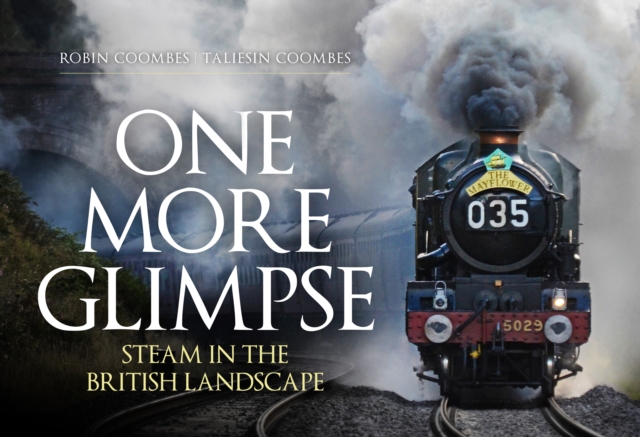
From coal trains in South Wales to clay trains in Cornwall, there were still large numbers of unfitted and vacuum-braked wagons of various types in use across the Western Region at the start of the 1980s.
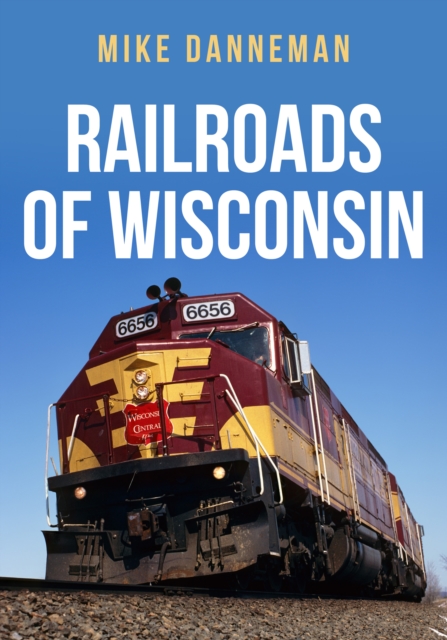
Wisconsin, known affectionately as America's Dairyland, is in the upper Midwest, bordered by Lake Michigan on the east and the Mississippi River to the west.
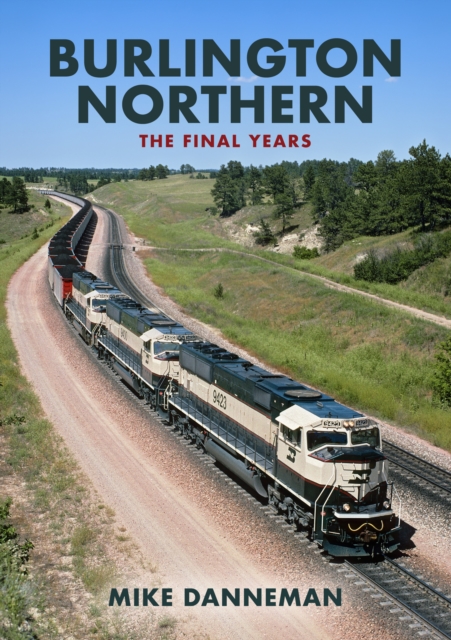
The 1970 merger of Northern Pacific; Great Northern; Chicago, Burlington & Quincy; and Spokane, Portland & Seattle created a new super railroad spanning the northern and central United States over a 25,000-mile network.
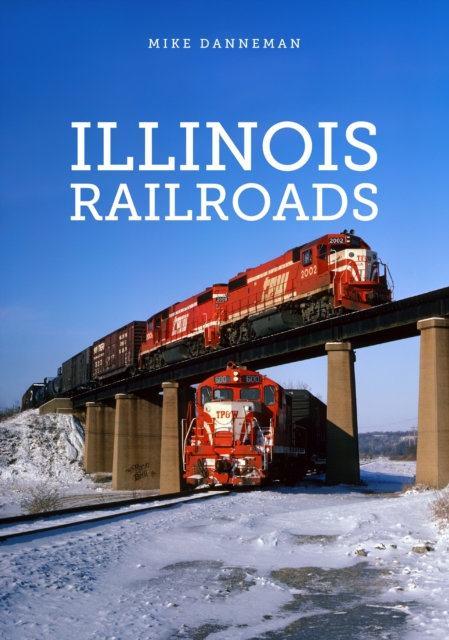
The Midwestern state of Illinois, known as the Prairie State, is not known for its varied topography, but this mostly flat land was indeed very conducive to the construction of railroads.
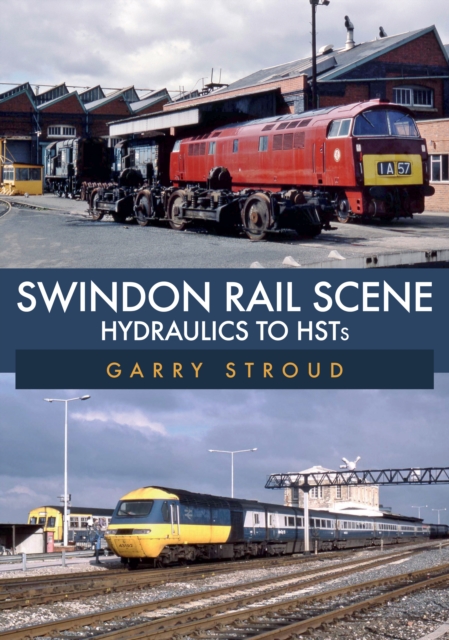
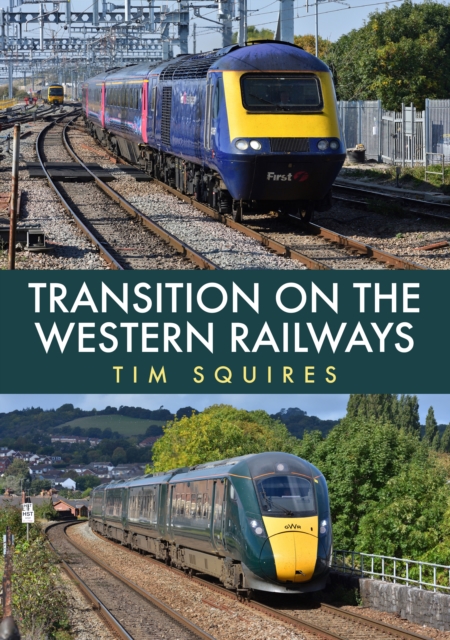
The Western Region has been going through a period of great transition, and this book aims to document these changes, such as the rebranding of First Great Western as Great Western Railway and the replacement of the High Speed Train (HST) fleet with the new Hitachi Intercity Express Train (IET) fleet.
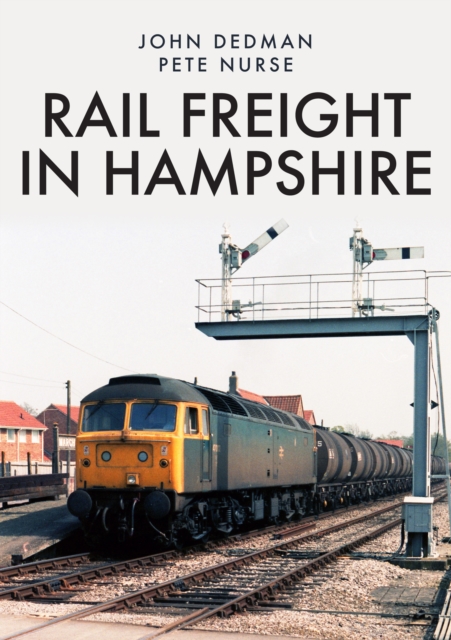
John Dedman and Pete Nurse have been photographing trains around Hampshire since the late 1970s, focusing on the freight workings that are showcased here.
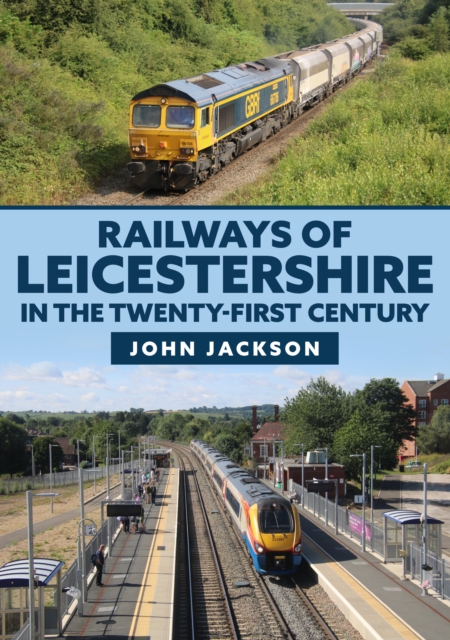
A quick look at today's map of the county of Leicestershire and it's easy to see that its county town, Leicester, sits at an important railway crossroads.
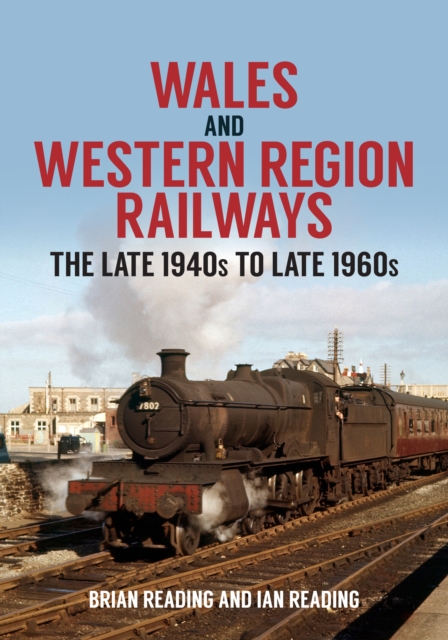
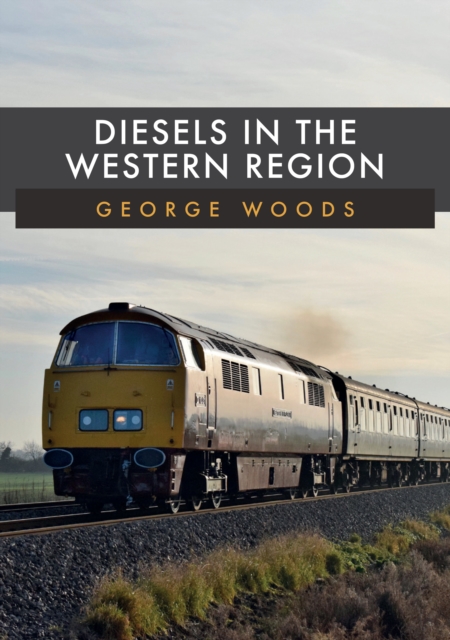
The Great Western Railway was always a little different to the rest of the railways, and that was still the position when in 1955 British Railways announced their Modernisation Plan that would see steam replaced by diesels and electrics.
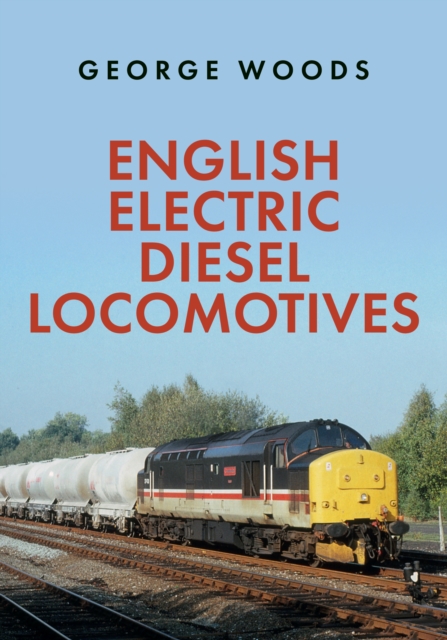
English Electric built their first diesel loco in 1936 and, before the company closed in 1968, built thousands of diesel and electric locos that saw service all over the world.
First published in 1985, this Atlas uses over 50 specially drawn maps to trace the rise and fall of the railways' fortunes, and is supported by an interesting and authoritative text.
First published in 1985, this Atlas uses over 50 specially drawn maps to trace the rise and fall of the railways' fortunes, and is supported by an interesting and authoritative text.
This 4-volume collection is the first compilation of primary sources to historicize the cultural impact of railways on a global scale from their inception in Great Britain to the Great Depression.
This 4-volume collection is the first compilation of primary sources to historicize the cultural impact of railways on a global scale from their inception in Great Britain to the Great Depression.
This 4-volume collection is the first compilation of primary sources to historicize the cultural impact of railways on a global scale from their inception in Great Britain to the Great Depression.
This 4-volume collection is the first compilation of primary sources to historicize the cultural impact of railways on a global scale from their inception in Great Britain to the Great Depression.
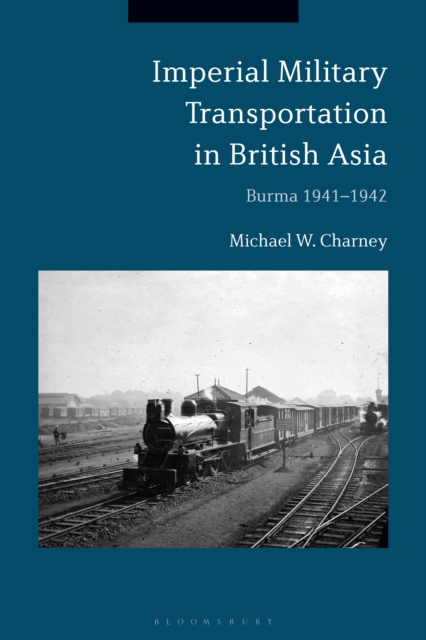
Imperial Military Transportation in British Asia sheds light on attempts by royal engineers to introduce innovations devised in the UK to wartime India, Iraq, and Burma, as well as the initial resistance of local groups of colonial railwaymen to such metropolitan innovations.
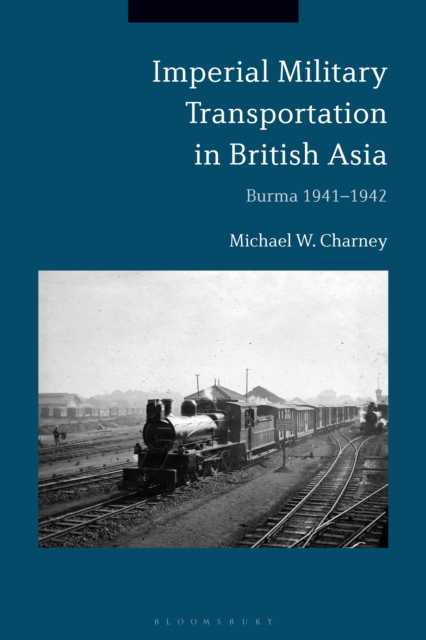
Imperial Military Transportation in British Asia sheds light on attempts by royal engineers to introduce innovations devised in the UK to wartime India, Iraq, and Burma, as well as the initial resistance of local groups of colonial railwaymen to such metropolitan innovations.
This book provides a critical overview of the relationships between planning and railway management and development during the key period in the 20th Century when the railway was in public ownership: 1948-94.
This book provides a critical overview of the relationships between planning and railway management and development during the key period in the 20th Century when the railway was in public ownership: 1948-94.
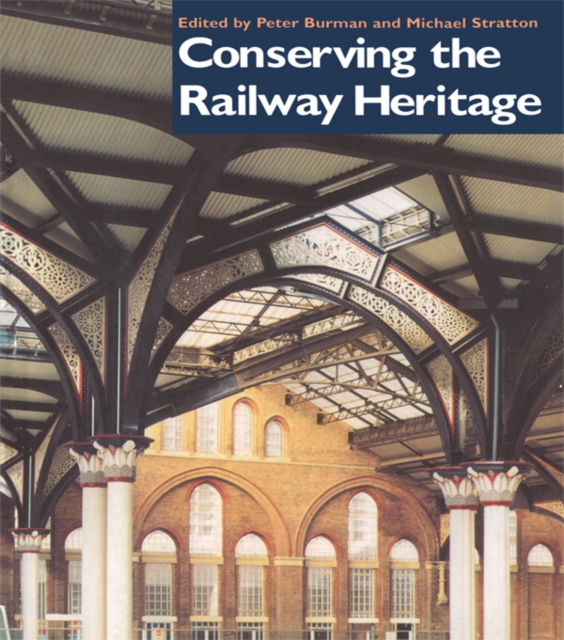
Great Britain not only invented the main-line railway but has also led the way in it's preservation - not just locomotves and carriages but also the buildings and structures that bear witness to the confidence of railway developers, architects and engineers.
Great Britain not only invented the main-line railway but has also led the way in it's preservation - not just locomotves and carriages but also the buildings and structures that bear witness to the confidence of railway developers, architects and engineers.