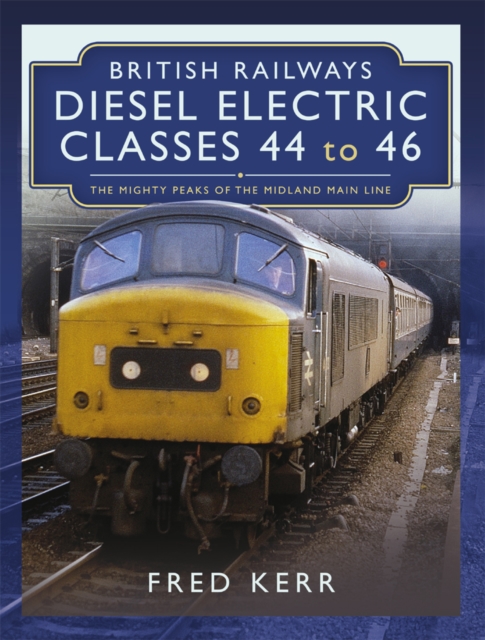
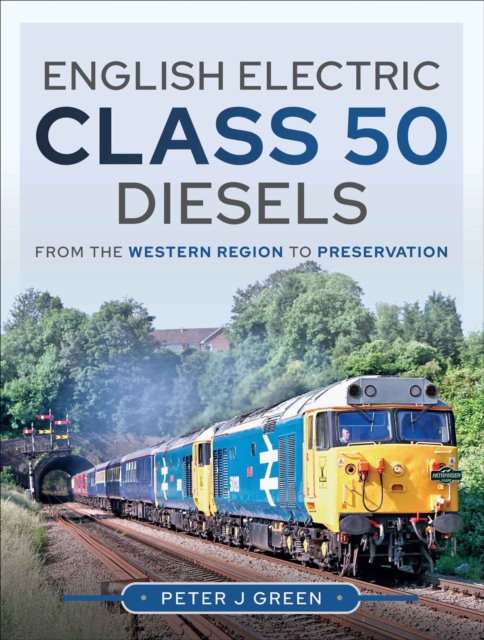
Derby Works introduced the first mainline Diesel to UK service with the production of LMS 10000 in 1947, although mainline diesels had previously been tested on post-Grouping main lines prior to being exported.
Derby Works introduced the first mainline Diesel to UK service with the production of LMS 10000 in 1947, although mainline diesels had previously been tested on post-Grouping main lines prior to being exported.
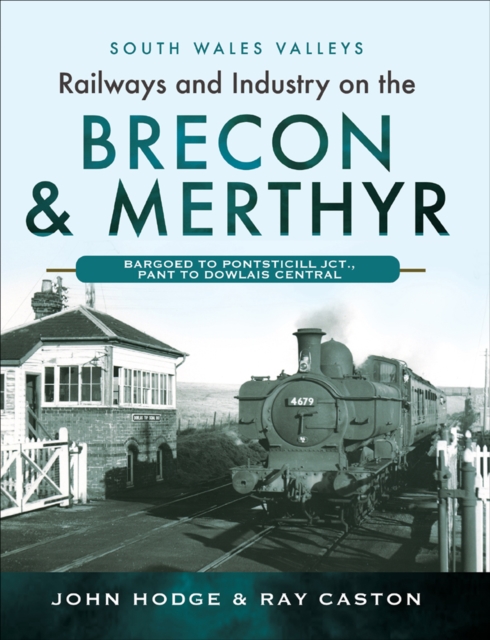
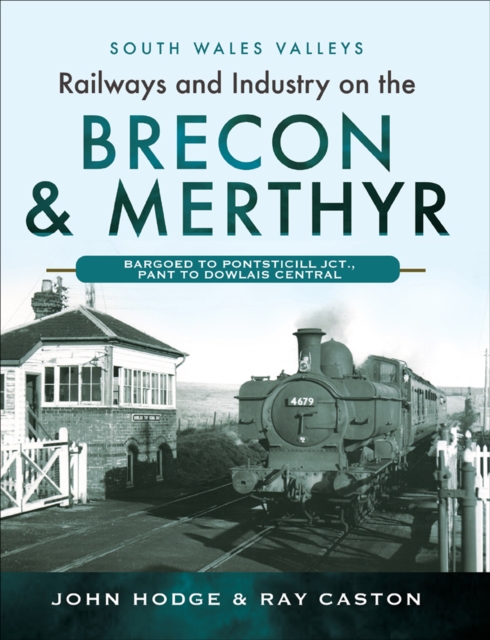
This book on the Brecon & Merthyr, deals with the section from Bargoed to Pontsticill Junction, covering the line built by the B&M to join onto the section running north from Bargoed built by the Rhymney Railway, much dominated at the time by nearby Dowlais Ironworks.
This book on the Brecon & Merthyr, deals with the section from Bargoed to Pontsticill Junction, covering the line built by the B&M to join onto the section running north from Bargoed built by the Rhymney Railway, much dominated at the time by nearby Dowlais Ironworks.
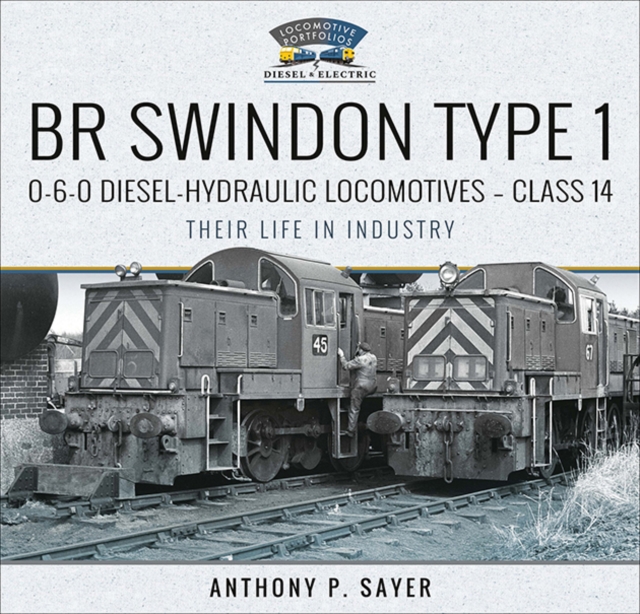
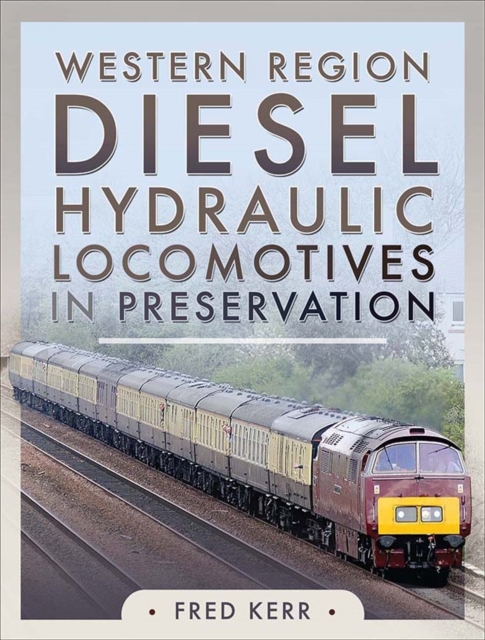
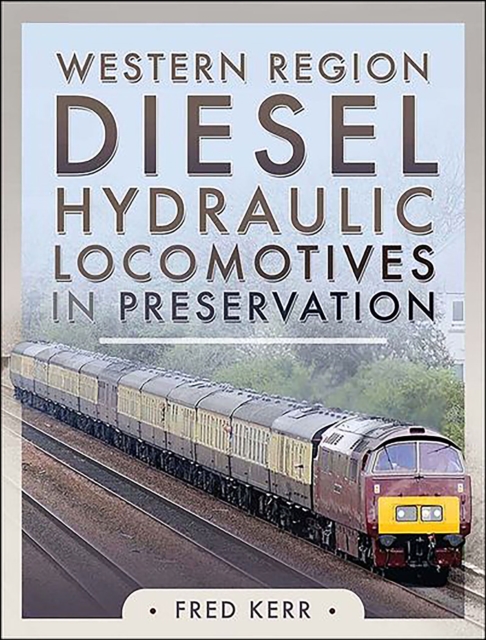
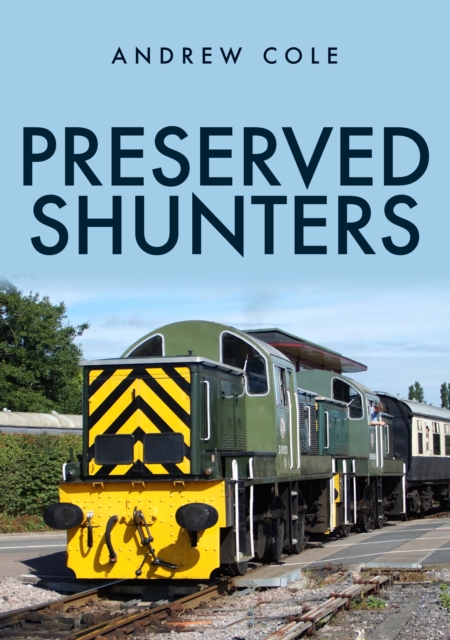
When British Railways initiated its Modernisation Plan in 1955, its Western Region elected to trial locomotive designs with hydraulic transmission whilst BR encouraged designs with electric transmission.
When British Railways initiated its Modernisation Plan in 1955, its Western Region elected to trial locomotive designs with hydraulic transmission whilst BR encouraged designs with electric transmission.
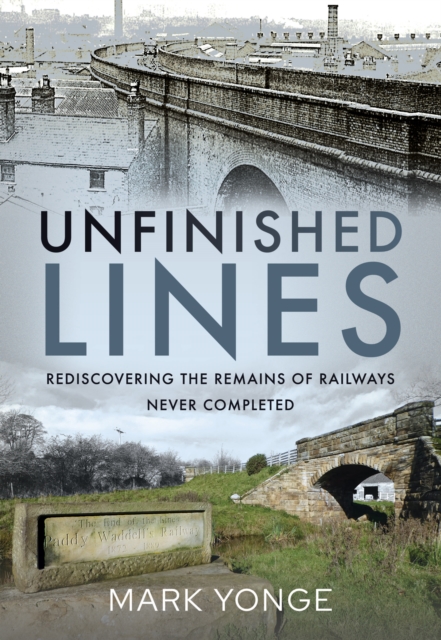
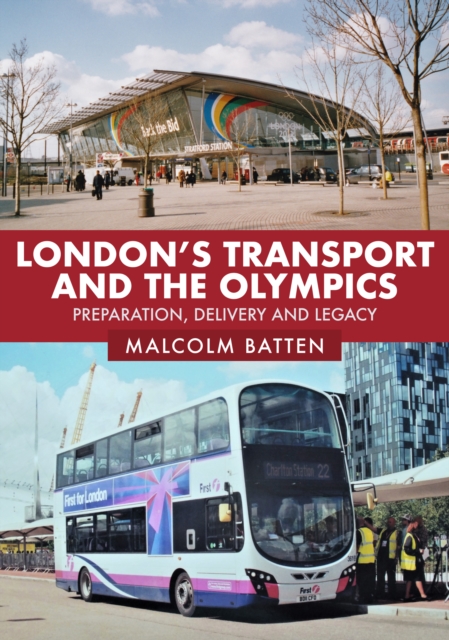
When London first applied as a contender to stage the 2012 Olympic Games, there was cynical speculation as to whether the transport infrastructure could cope should it win.
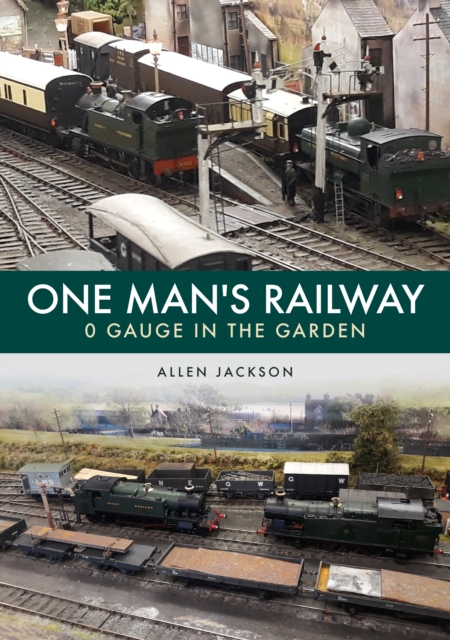
This book is about one ordinary person's efforts, largely carried out single-handedly and with limited funds, to build a model railway layout in his garden that runs just like the real thing.
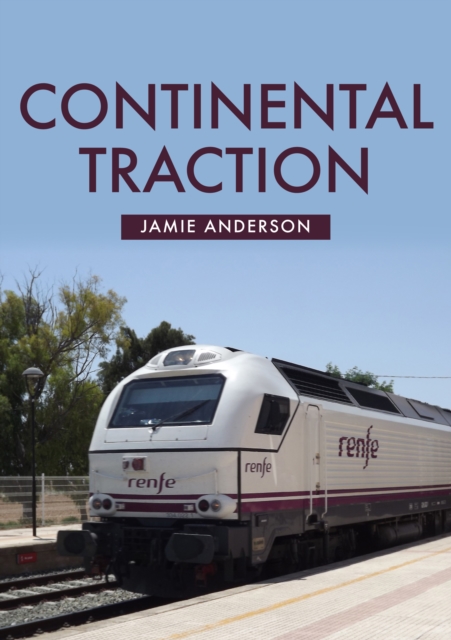
Although separated from the United Kingdom by the twenty-one miles of English Channel, the continental railway network has always been a draw for British rail enthusiasts.
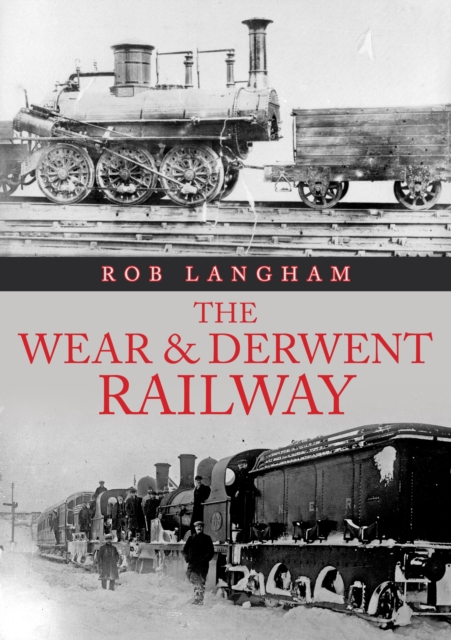
The Stockton & Darlington Railway Company's takeover of half of the 1834 Stanhope & Tyne route, under the guise of the Wear & Derwent Railway, saw the most interesting period in the history of this part of the line.
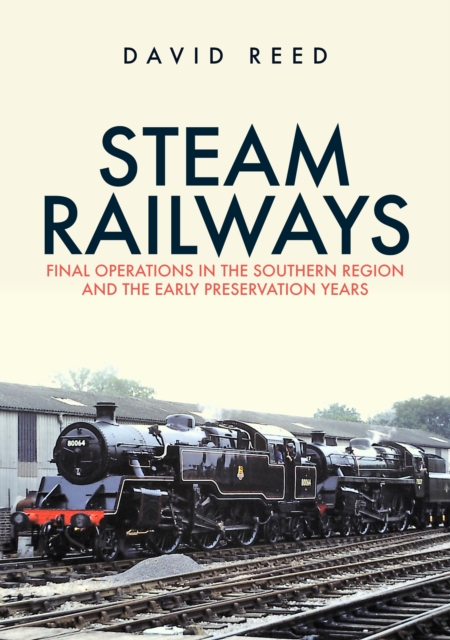
This book contains previously unpublished photographs from the collection of David Reed, who set out to record the end of steam trains on British Rail's Southern Region.
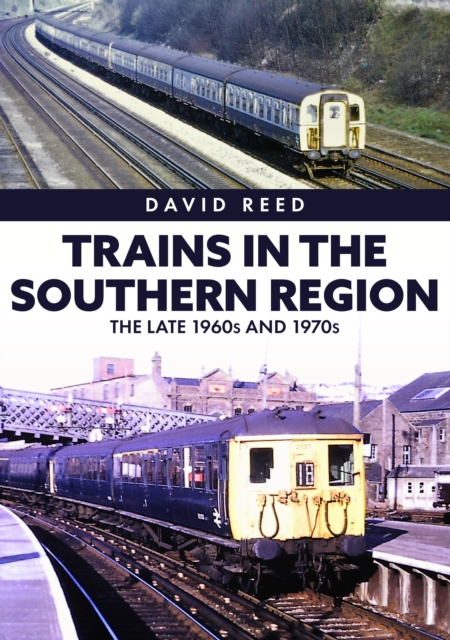
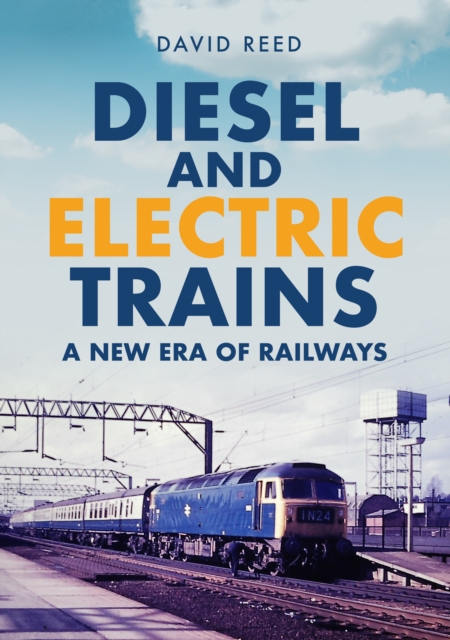
This is the second volume of previously unpublished photographs from the camera of David Reed, focusing on the electric and diesel traction of the late 1960s and 1970s.
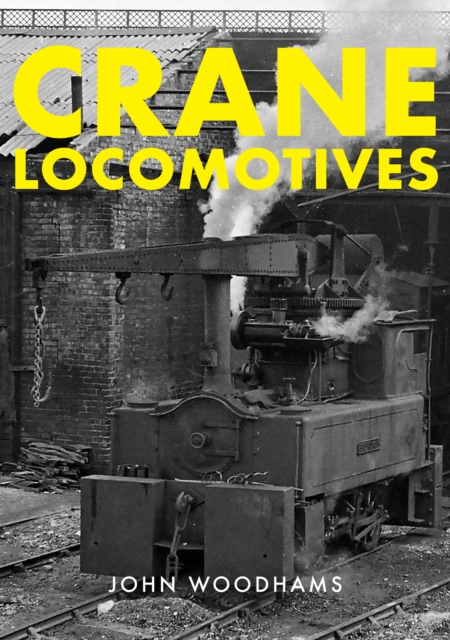
The first cranes mounted on railway wheels were hand-operated, but by the mid-nineteenth century several builders had fitted steam engines and boilers to enhance lifting capabilities, though initially these machines were not self-propelled, but merely portable.
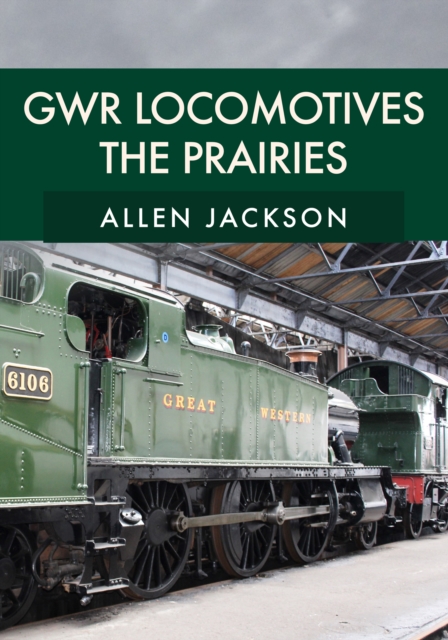
Known as the Prairies, these tank engines of the 2-6-2T variety were some of Churchward's earliest designs and were the precursor for successful variations of one of the classes - numbered 51XX until 1949.
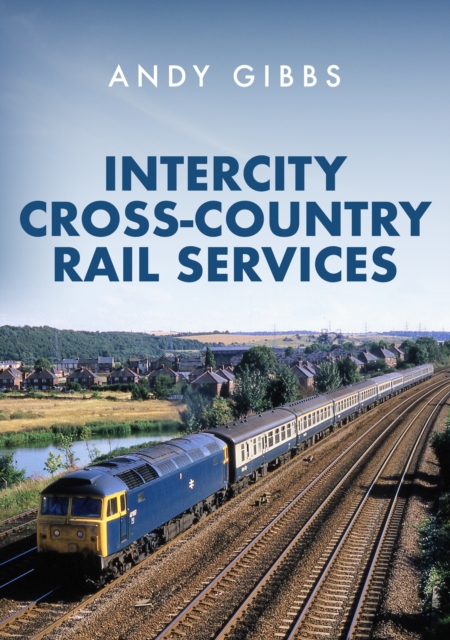
To most people InterCity means the network of trains linking the UK with London, but there is a far more interesting and often overlooked network that avoided London: Cross-country.
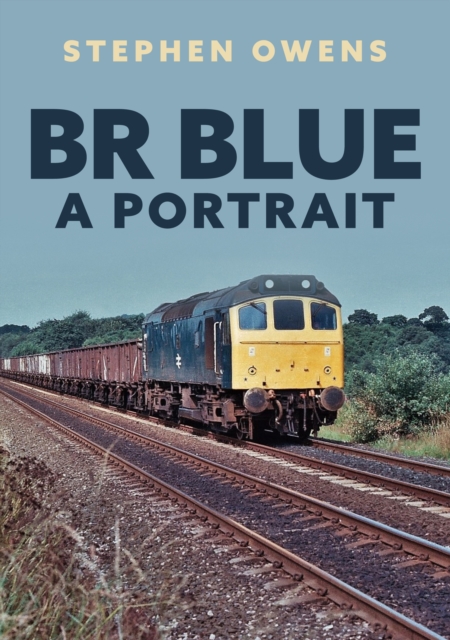
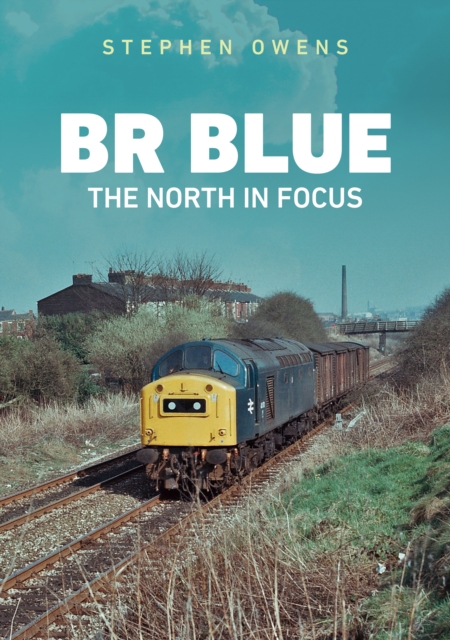
From 1978 onwards, during the period often referred to as BR Blue, Stephen Owens was able to photograph for posterity some of what he saw on the railway.
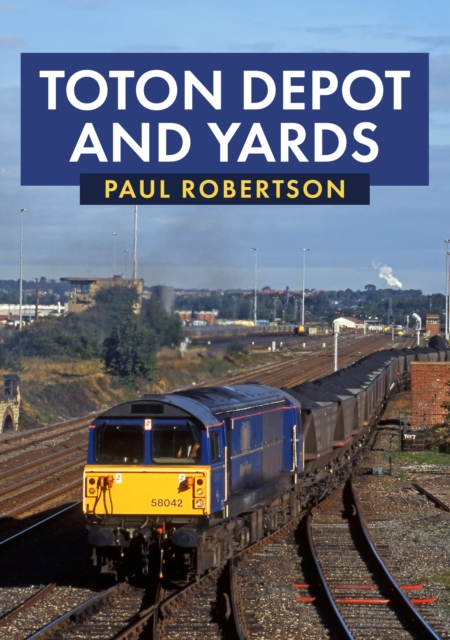
Toton first saw railway yards built on the site in the 1850s to support the growing need to transport coal from the collieries of the Erewash Valley and, later, the Leen Valley area to towns and industry.
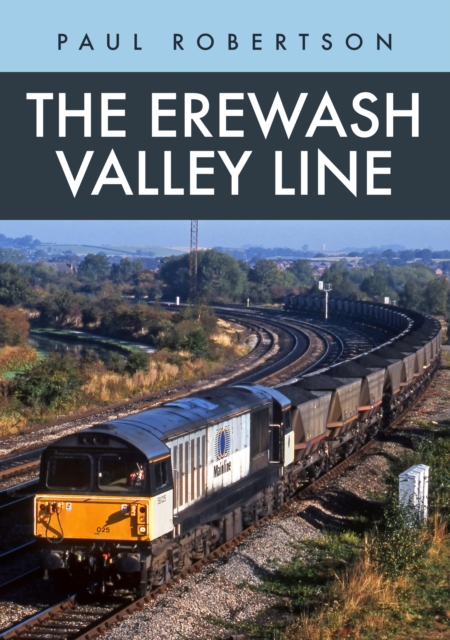
The Erewash Valley line, linking the busy railway junctions at Trent through the once bustling yards of the iconic railway location of Toton and to the main line at Clay Cross, has seen much in the way of change over the last half a century.