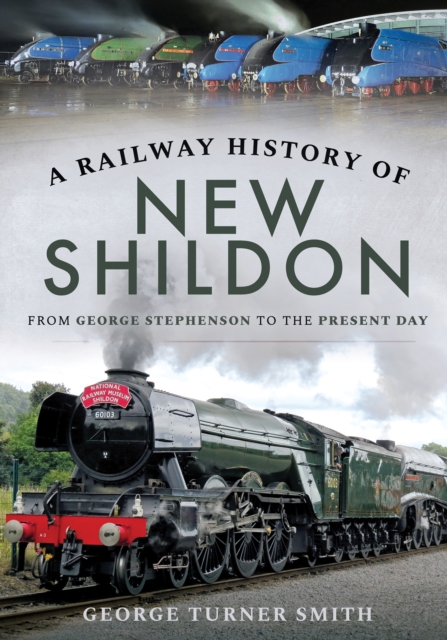
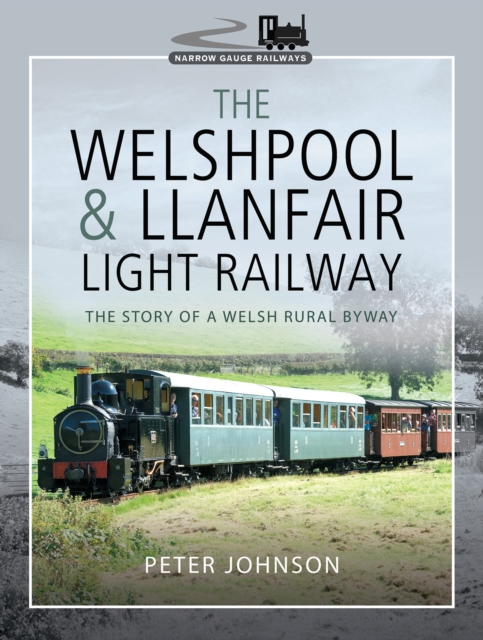
An "e;extraordinarily informative and profusely illustrated"e; history of how a town built a railway, and a railway built a town (Midwest Book Review).
An "e;extraordinarily informative and profusely illustrated"e; history of how a town built a railway, and a railway built a town (Midwest Book Review).
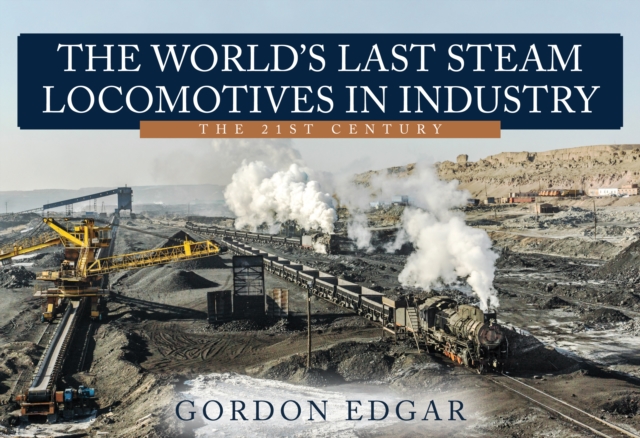
Following on from his popular series examining industrial steam in regions of the UK, Gordon Edgar looks at a series of fascinating workings around the world during the final days of steam in industry.
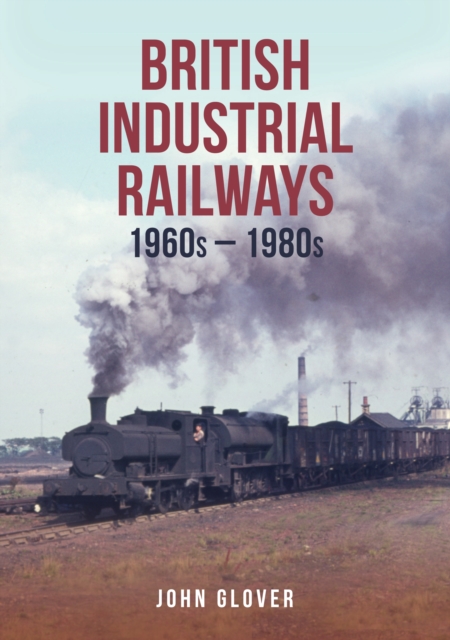
The earliest railways were built for industrial uses, coal being the principal commodity carried, perhaps from the pit to a dockside or canal for onward transport.
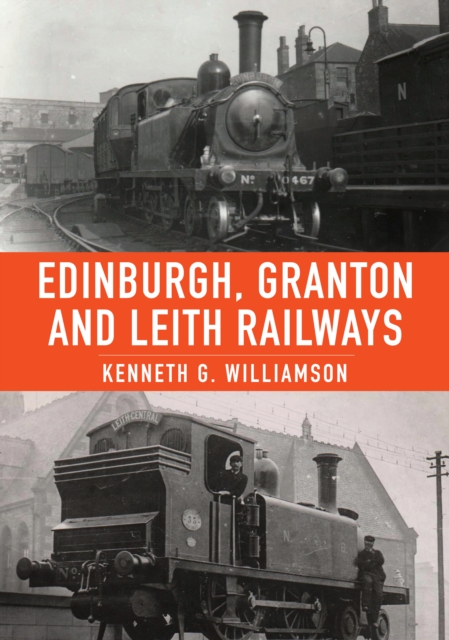
In 1861, the Caledonian Railway, in its efforts to gain a foothold in Granton and Leith, opened a line from Slateford to Granton with a connection to Granton Harbour, where the Edinburgh, Dundee & Perth Railway (NBR) was already established.
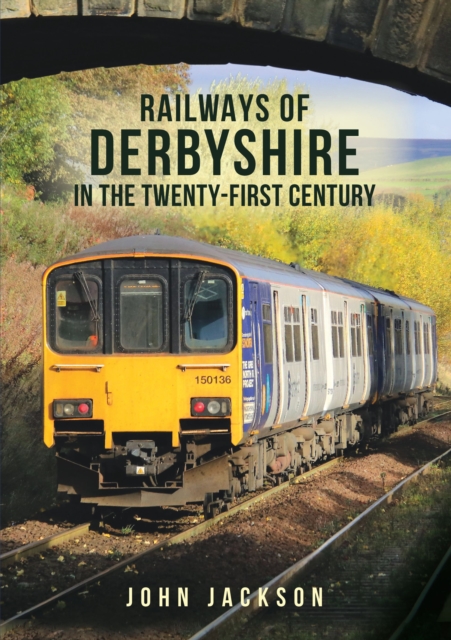
The city of Derby has a long association with the country's railway heritage, not just as a focal point for the county's railway passengers but also its long tradition of manufacture.
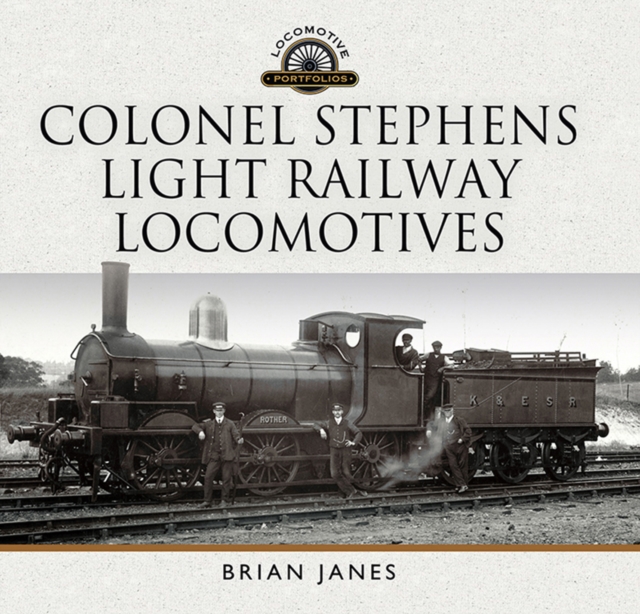
Holman Fred Stephens (1868-1931) set himself up in the 1890s as an engineer and manager of the complete light railway as evolved by Victorian theorists to serve rural districts as yet bereft of the benefit of cheaper transport.
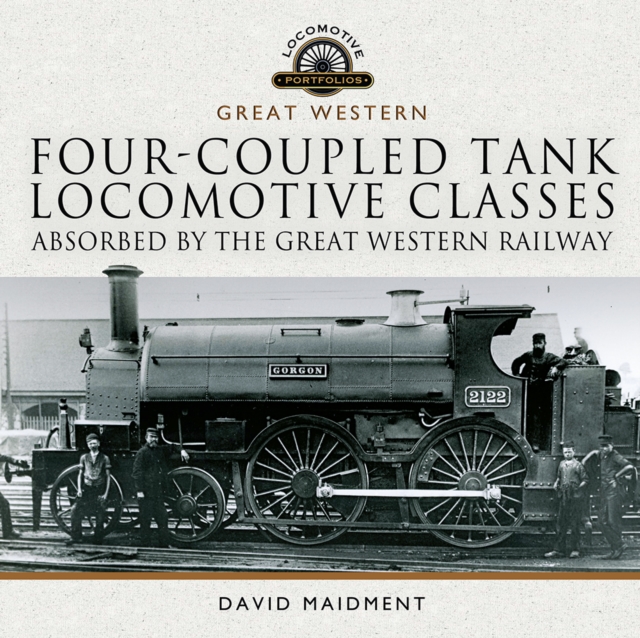
This book is a comprehensive history of the four coupled tank engines absorbed by the Great Western Railway - locomotives of nine Broad Gauge companies, nineteen Standard Gauge companies, mainly in the South West which became part of the GWR between the 1870s and 1914, and a further eighteen companies, mainly in South Wales absorbed by the GWR in 1922 and 1923 at the formation of the 'Big Four' Grouping.
Set against a landscape of rail yards and skate parks, Kai Carlson-Wee's debut collection captures a spiritual journey of wanderlust, depression, brotherhood, and survival.
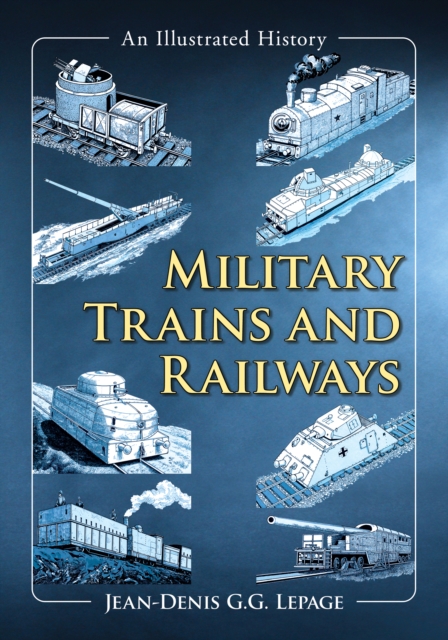
Featuring 256 drawings, this history of military trains and railways from 1853 through 1953 describes how the railroad transformed the nature of warfare.
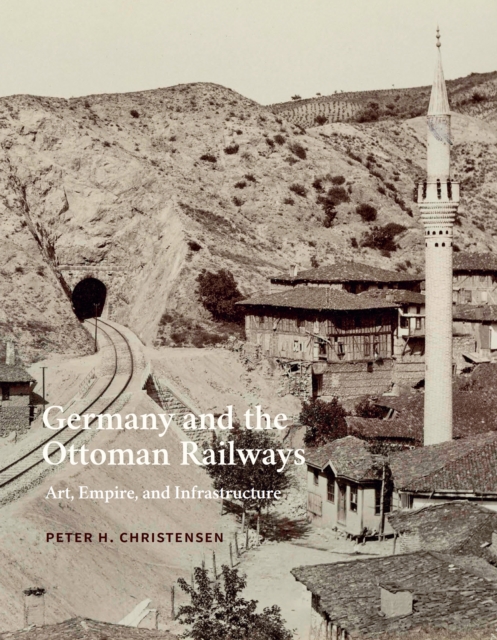
The complex political and cultural relationship between the German state and the Ottoman Empire is explored through the lens of the Ottoman Railway network, its architecture, and material culture With lines extending from Bosnia to Baghdad to Medina, the Ottoman Railway Network (1868–1919) was the pride of the empire and its ultimate emblem of modernization—yet it was largely designed and bankrolled by German corporations.
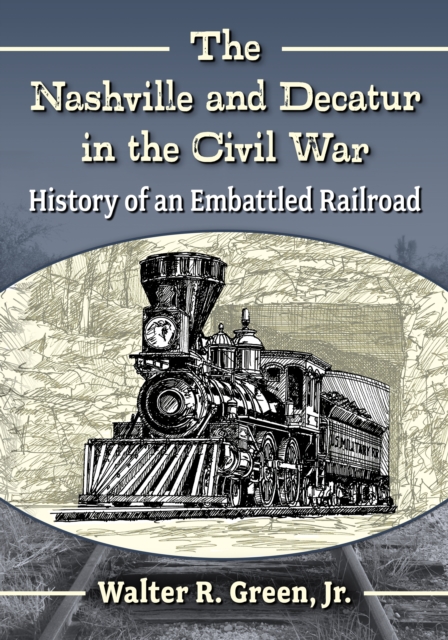
The Nashville and Decatur Railroad was in operation five months before the start of the Civil War and 17 months before the Federals took control of Nashville and the railroad.
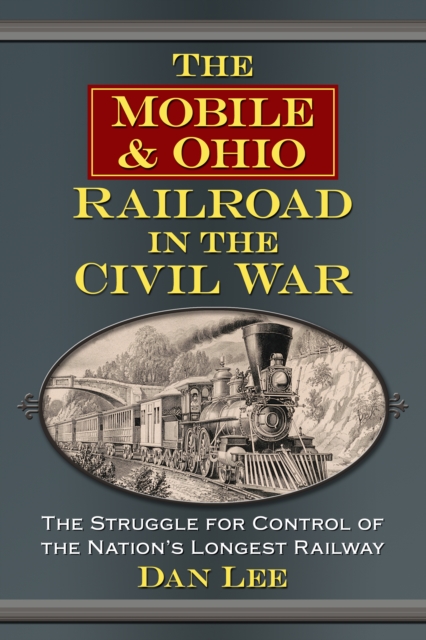
The Mobile & Ohio Railroad was the longest line in the nation when it was completed in spring of 1861--the final spike driven a few weeks after Confederate artillery shelled Fort Sumter.
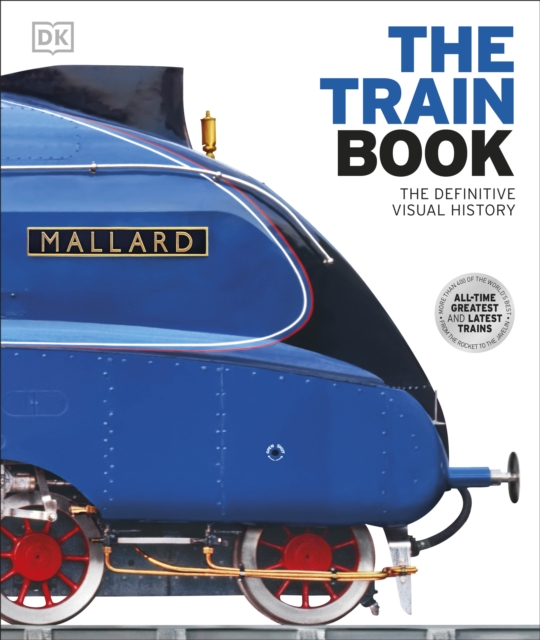
This glorious visual celebration of train travel keeps you on the right track with stop-offs at the most important and incredible rail routes from all over the world.
Esta investigación nació como parte de la Estrategia de movilidad en bicicleta y proyectos ejecutivos de infraestructura ciclista de la Ciudad de México que concibió el Gobierno del Distrito Federal (GDF) a través de la Secretaría del Medio Ambiente, y cuyo objetivo es fomentar el uso de la bicicleta para convertirla en un medio efectivo de transporte, y así contribuir a agilizar la movilidad de la población al interior de la ciudad y reducir los efectos no deseados del transporte motorizado.
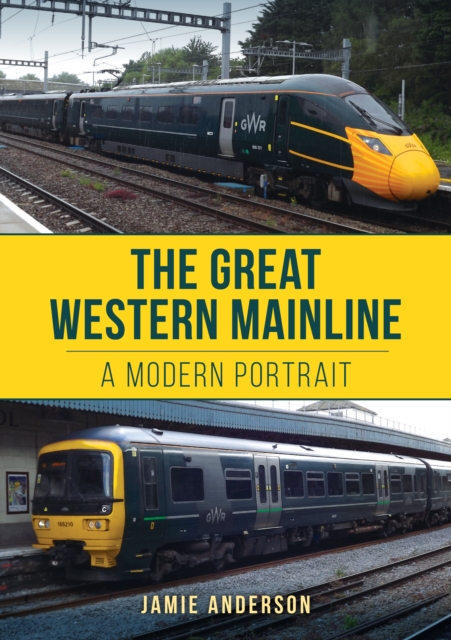
Completed in 1841 and covering a distance of around 118 miles, the Great Western Mainline, affectionately known as Brunel's billiards table due to the flat terrain of the route it follows, links the great cities of London and Bristol.
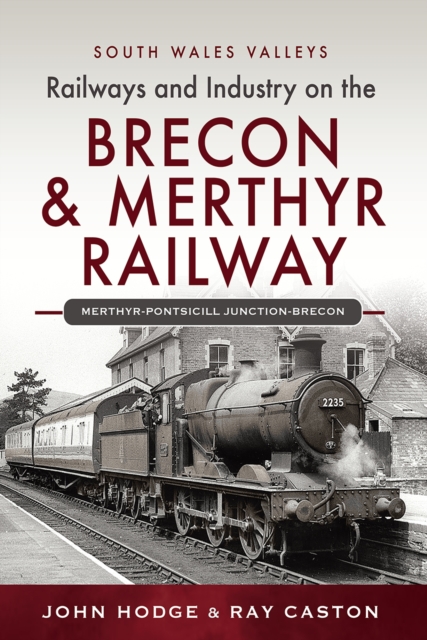
The third in a trilogy on the Brecon & Merthyr Railway, this book covers the line from Merthyr to Pontsticill where it met the line from Newport and continued to Brecon.