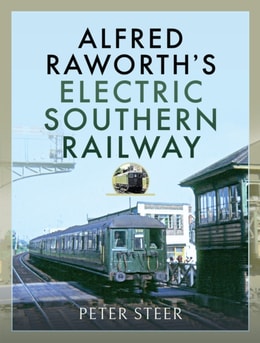
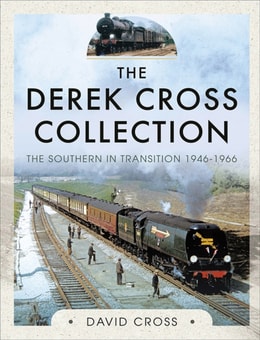
The Southern Railway between 1923 and 1939 was the only British company to carry out a sustained programme of electrification which became known as the Southern Electric.
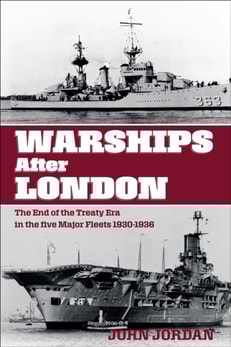
This fully illustrated volume details every aspect of the WWII battleship, from plans, building, and modifications to active service and final breaking.
This fully illustrated volume details every aspect of the WWII battleship, from plans, building, and modifications to active service and final breaking.
Railways have been used for the carriage of mail since soon after the Liverpool & Manchester Railway opened in 1830, the development of the first travelling post offices following, enabling the Post Office to achieve maximum efficiencies in mail transportation.
The story of the "e;traveling post offices"e; and the trains that have served as an essential part of Britain's mail delivery system for almost two centuries.
The Snowdon Mountain Railway is one of the great narrow gauge railways of North Wales, with thousands of visitors travelling to the summit of Mount Snowdon along the line each year.
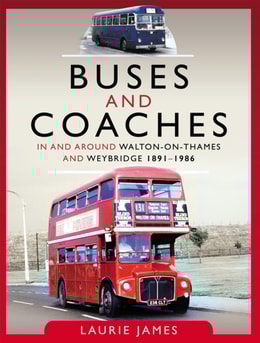
Although the Surrey towns of Walton-on-Thames and Weybridge were for many years served by the London bus network, there were also a number of small scale locally based operators running bus services, before selling out to London Transport in the 1930s.
Although the Surrey towns of Walton-on-Thames and Weybridge were for many years served by the London bus network, there were also a number of small scale locally based operators running bus services, before selling out to London Transport in the 1930s.
Mention the name Carlisle to any steam enthusiast of a certain age and they will probably conjure up an image of bygone days when Stanier and Gresley pacifics rubbed shoulders alongside each other within Citadel station whilst waiting to relieve incoming titled trains such as the Royal Scot and the Waverley.
Mention the name Carlisle to any steam enthusiast of a certain age and they will probably conjure up an image of bygone days when Stanier and Gresley pacifics rubbed shoulders alongside each other within Citadel station whilst waiting to relieve incoming titled trains such as the Royal Scot and the Waverley.
Reg Batten was a railway and transport photographer, who started taking pictures in the early 1930s, mostly on the Great Northern and Great Eastern sections of the L N E R.
Reg Batten was a railway and transport photographer, who started taking pictures in the early 1930s, mostly on the Great Northern and Great Eastern sections of the L N E R.
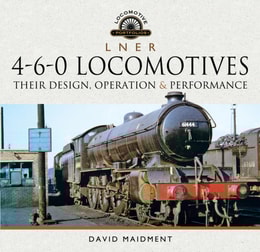
L N E R 4-6-0 Tender Mixed Traffic Locomotives covers the design, construction, operation and performance of all 4-6-0 locomotives that ran on the London & North Eastern Railway between 1923 and 1947 and the LNER designed engines that ran on BR's Eastern Region until the end of BR steam in 1968.
L N E R 4-6-0 Tender Mixed Traffic Locomotives covers the design, construction, operation and performance of all 4-6-0 locomotives that ran on the London & North Eastern Railway between 1923 and 1947 and the LNER designed engines that ran on BR's Eastern Region until the end of BR steam in 1968.
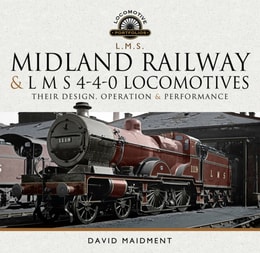
David Maidment has unravelled the complex history of the Johnson, Deeley and Fowler 4-4-0 locomotives of the Midland Railway and its LMS successor, covering their design, construction, operation and performance in this book with over 400 black and white photographs.
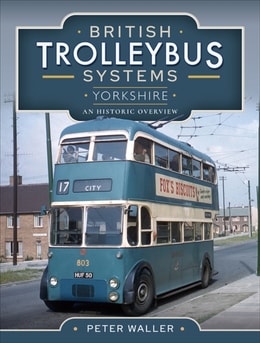
Although there had been experiments with the use of a new form of transport - the 'trackless tram' (better known as the trolleybus) - during the first decade of the 20th century, it was in June 1911 that Bradford and Leeds became the country's pioneering operators of trolleybuses.
Although there had been experiments with the use of a new form of transport - the 'trackless tram' (better known as the trolleybus) - during the first decade of the 20th century, it was in June 1911 that Bradford and Leeds became the country's pioneering operators of trolleybuses.
Starting with an introduction about discovering the coal-burning paddle steamers of the Humber in the early 1970s the book continues with a brief history of the ferries of the Humber Estuary, the coming of the first paddle steamer, the Caledonia, in 1814 and the rapid expansion of steamers operating on the estuary.
Starting with an introduction about discovering the coal-burning paddle steamers of the Humber in the early 1970s the book continues with a brief history of the ferries of the Humber Estuary, the coming of the first paddle steamer, the Caledonia, in 1814 and the rapid expansion of steamers operating on the estuary.
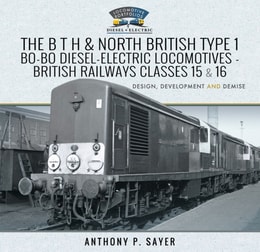
The British Railways 'Pilot Scheme' orders of 1955 included ten BTH and ten NBL Type 1 locomotives, these being introduced during 1957-61 for use in East London, and on the Great Eastern and London, Tilbury & Southend lines.
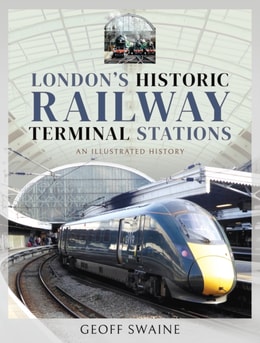
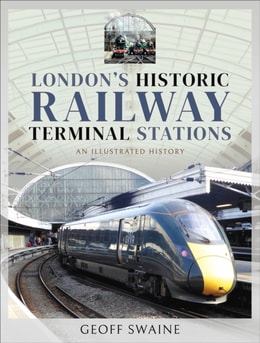
This book covers in pictures, the history and development of London's main terminal stations, looking at the stations through the lens of photographers from Victorian and Edwardian times through to the modern era.
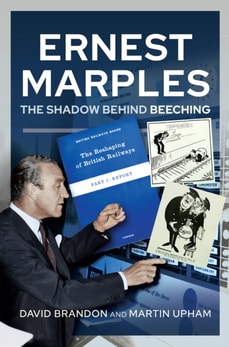
This biography examines the life and career of the conservative politician who led the charge to reshape British Railways in the mid-twentieth century.
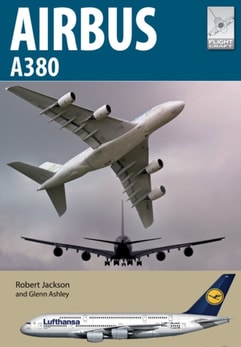
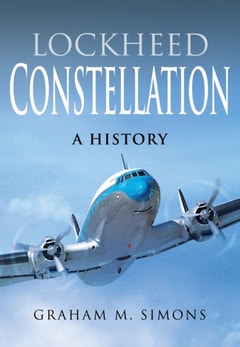
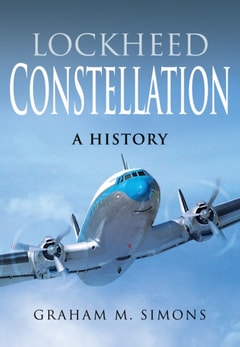
This illustrated history "e;recounts the unusual and sometimes dramatic development and operational career of one of the twentieth century's most iconic airliners"e; (Aviation History Magazine).
This illustrated history "e;recounts the unusual and sometimes dramatic development and operational career of one of the twentieth century's most iconic airliners"e; (Aviation History Magazine).
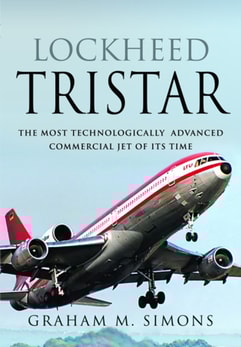
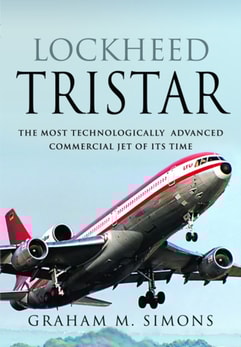
"e;A thoughtful, well-organized overview from the beginning to the twilight days of this iconic airliner"e; by the highly regarded aviation historian (Large Scale Planes).
"e;A thoughtful, well-organized overview from the beginning to the twilight days of this iconic airliner"e; by the highly regarded aviation historian (Large Scale Planes).
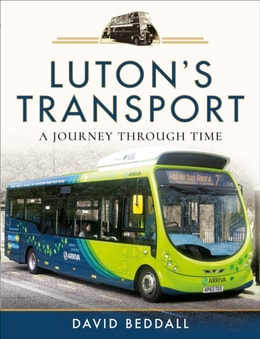
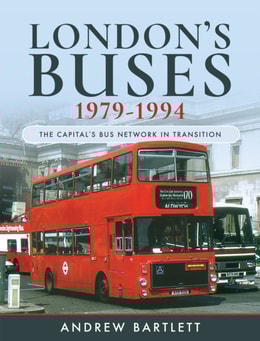
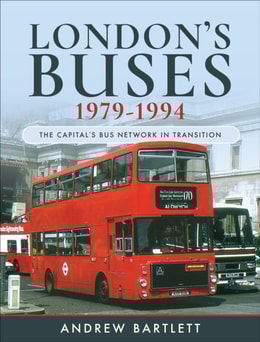
A look at the sixteen-year period that witnessed the greatest and most far-reaching changes to the capital's bus services since the days of Herbert Morrison.
In 1979, fresh from its general election victory, the Conservative government began formulating plans to deregulate bus services and privatise the companies operating them in England, Scotland and Wales.
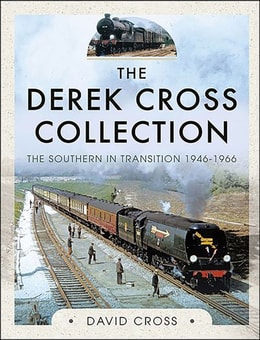
Derek Cross was one of a group of outstanding railway photographers, who mostly took pictures during the steam and early modern traction era, 1950s and 1960s.
Derek Cross was one of a group of outstanding railway photographers, who mostly took pictures during the steam and early modern traction era, 1950s and 1960s.