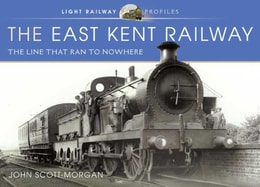
The East Kent Railway was one of Britain's less well known light railways, a part of the Colonel Stephens group of lines, the East Kent Railway was meant to open up the newly discovered Kent coal field and help to make its shareholders wealthy, however things took a different turn, when the projected colliery's along the line did not materialise the way the promoters had first envisaged.
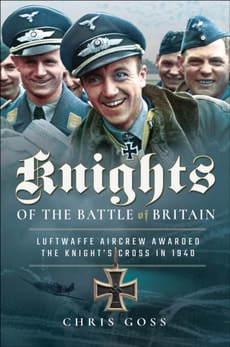
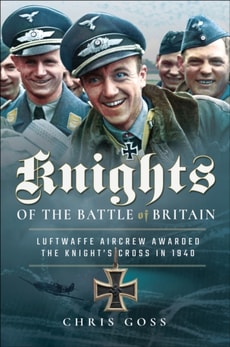
The Ritterkreuz des Eisernen Kreuzes (Knights Cross of the Iron Cross), known simply as the Ritterkreuz (Knights Cross), was the highest German military award of the Second World War.
The Ritterkreuz des Eisernen Kreuzes (Knights Cross of the Iron Cross), known simply as the Ritterkreuz (Knights Cross), was the highest German military award of the Second World War.
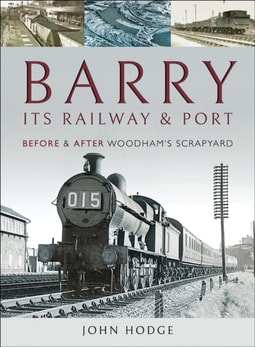
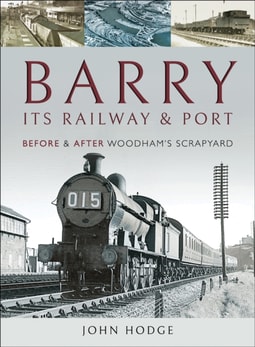
Many railway historians and enthusiasts only know about the railways in the Barry area, because of Woodham Brothers scrap yard, where so many locomotives were rescued for preservation.
Many railway historians and enthusiasts only know about the railways in the Barry area, because of Woodham Brothers scrap yard, where so many locomotives were rescued for preservation.
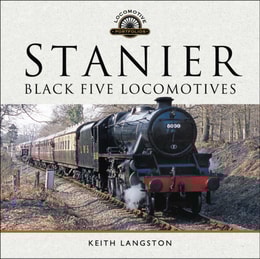
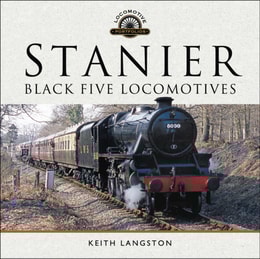
It is possible that in the history of British steam locomotives no class of engine was ever more universally popular than the Stanier 5MT 4-6-0 class, which were generally referred to as Black Fives.
It is possible that in the history of British steam locomotives no class of engine was ever more universally popular than the Stanier 5MT 4-6-0 class, which were generally referred to as Black Fives.
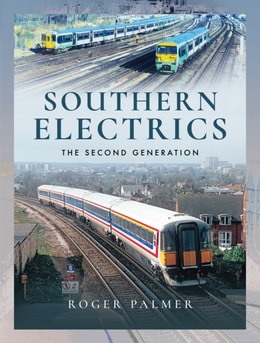
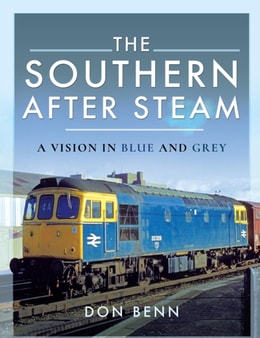
The Southern Electric system was a self contained, roughly triangular area of lines with its apex in London and its base running along the south coast from Kent to Weymouth.
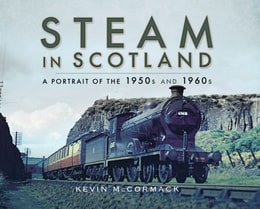
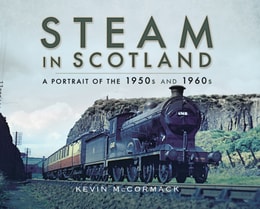
Kevin McCormack has written a large number of transport books mainly using previously unpublished material, much of it sourced from the Online Transport Archive.
Kevin McCormack has written a large number of transport books mainly using previously unpublished material, much of it sourced from the Online Transport Archive.
By some margin the most successful British medium-range airliner ever produced, the world-beating Viscount was a sublime combination of Vickers state-of-the-art postwar design and Rolls-Royces cutting-edge power-plant technology, both companies being at the very peak of their powers during the types genesis and evolution.
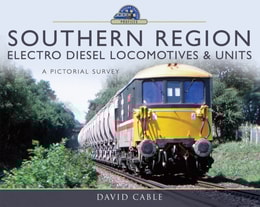
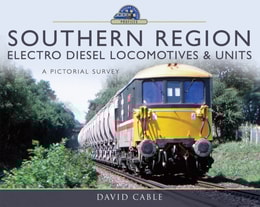
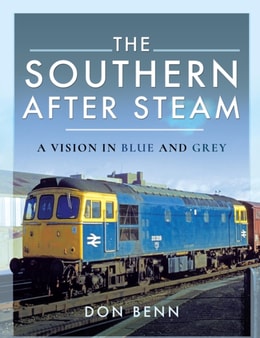
After the end of steam on the Southern in July 1967, the author concentrated primarily on recording the Southern scene, to start with in black and white and then from 1972 in color.
After the end of steam on the Southern in July 1967, the author concentrated primarily on recording the Southern scene, to start with in black and white and then from 1972 in color.
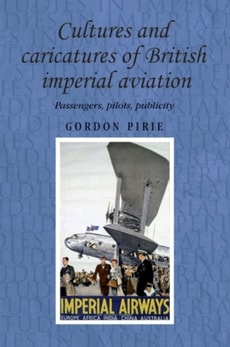
The new activity of trans-continental civil flying in the 1930s is a useful vantage point for viewing the extension of British imperial attitudes and practices.
While air accident expert Tim Kendall is being wrongly arrested in London for stealing his own car, in the scorching heat of the Pilbara, in the Australian outback, a prototype airship on a test flight, Zepp 1, is found parked in a remote region, intact, doors sealed, engines running and with no-one aboard.