The unrivalled scenery of the Alps attracts increasing numbers of visitors every year, while for those who seek the more active and dangerous pursuits of climbing and skiing, the region offers unique opportunities.
'It tells of terrible journeys, of men masked against the sun (riding through ethereal regions with their feet frozen), of welcoming fog-girt monasteries lit by butter lamps at the journey's end' New Statesman The Way of the White Clouds is the remarkable narrative of a pilgrimage which could not be made today.
A philosophical odyssey into life's fundamental questions during an unforgettable summer motorcycle trip, Zen and the Art of Motorcycle Maintenance transformed a generation and continues to inspire millions.
The Gentle Art of Tramping is a practical guide to long-distance walking and a philosophical account of human restlessness and the desire to connect with nature.
Elizabeth Bowen's account of a time spent in Rome is no ordinary guidebook but an evocation of a city - its history, its architecture and, above all, its atmosphere.
Catching all the fascination and humour of travel in out-of-the-way places, One's Company is Peter Fleming's account of his journey through Russia and Manchuria to China when he was Special Correspondent to The Times in the 1930s.
'Glittering, entertaining' Sunday TimesA beguiling portrait of the city of Venice from the bestselling author of the classic true crime Midnight in the Garden of Good and Evil.
WITH AN INTRODUCTION BY PAUL THEROUXSomerset Maugham's success as a writer enabled him to indulge his adventurous love of travel, and he recorded the sights and sounds of his wide-ranging journeys with an urbane, wry style all his own.
In 1938 Graham Greene was commissioned to visit Mexico to discover the state of the country and its people in the aftermath of the brutal anti-clerical purges of President Calles.
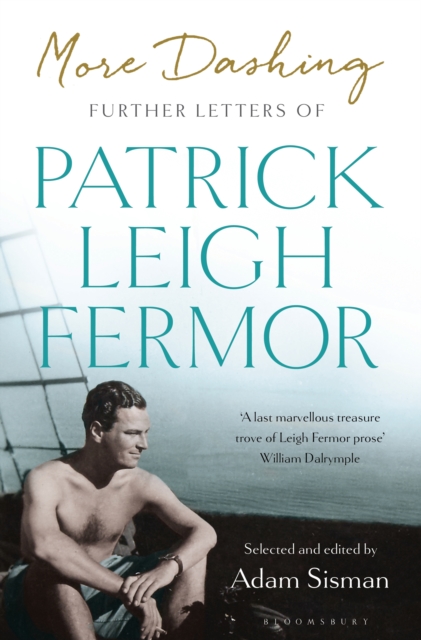
The second volume of exuberant, lively letters from legendary travel writer Patrick Leigh FermorThe first collection of letters from Patrick Leigh Fermor, Dashing for the Post, delighted critics and public alike.
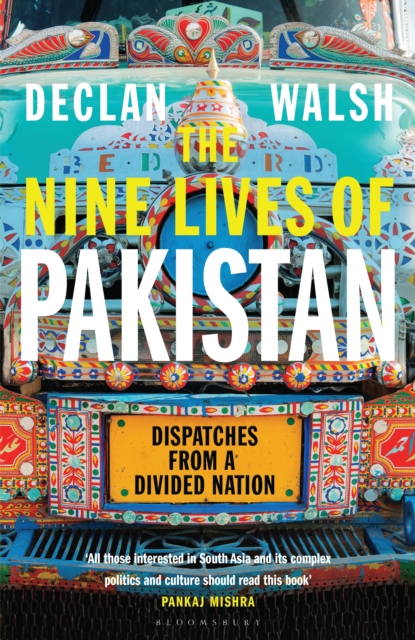
'All those interested in South Asia and its complex politics and culture should read this book' - Pankaj MishraThe demise of Pakistan a country with a reputation for volatility, brutality and radical Islam is regularly predicted.
Though much has been written about the political implications of the religious revival which has engulfed America in recent years, a question remains unanswered: what pushes its people into 'declaring for Jesus'?
INTRODUCED BY WILLIAM ATKINS, author of The Immeasurable World 'I am merely an eccentric, a dreamer who wishes to live far from the civilized world, as a free nomad.
WITH A NEW INTRODUCTION BY TARAN KHAN, author of Shadow CityTRANSLATED FROM BENGALI BY NAZES AFROZAn intrepid traveller and true cosmopolitan, legendary Bengali writer Syed Mujtaba Ali spent a year and a half teaching in Kabul from 1927 to 1929.
»Der tollste deutsche Reiseschriftsteller« Frankfurter RundschauMit Papas Benz bis nach Marokko: Helge Timmerberg träumt von der großen Reise über Land, seit ihm sein Vater vor zehn Jahren seinen Wagen vermacht hat, verbunden mit den letzten Worten »Bon Voyage«.
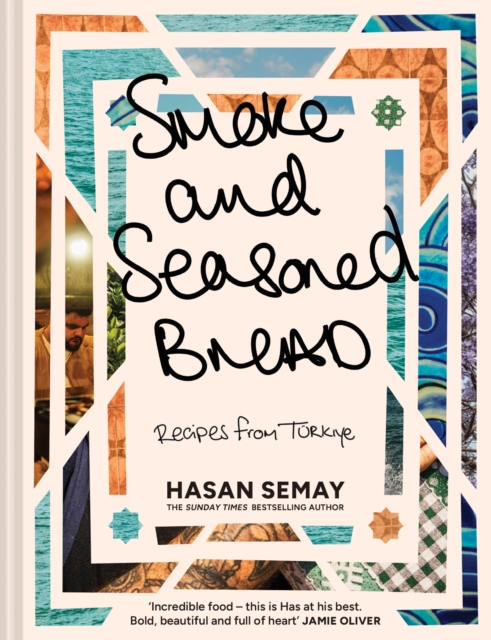
'With every smoky kebab, every honest conversation and every page, Has proves that the best food is, above all, food with heart' - BBC GoodFood'This is Has at his best' - Jamie Oliver'A modern Turkish bible' - Tom Parker BowlesThink kebabs that bridge generations, stews that tell tales, breads that warm your soul, and desserts that are sweet escapism - draped in buttery layers of history and dripping with syrup.
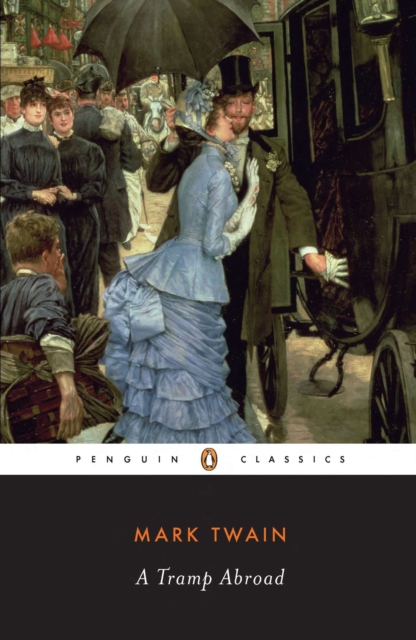
In A Tramp Abroad, Mark Twain’s unofficial sequel to The Innocents Abroad, the author records his hilarious and diverse observations and insights while on a fifteen-month walking trip through Central Europe and the Alps.
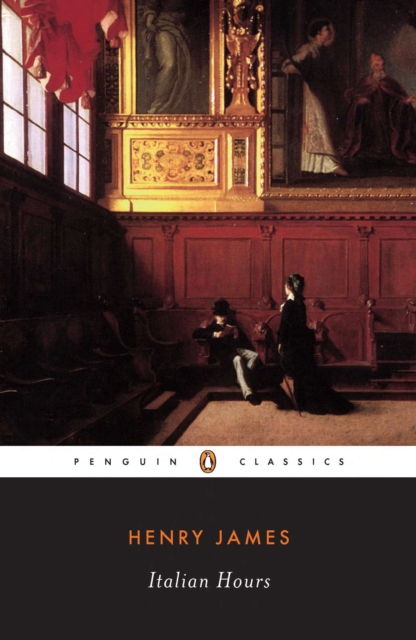
"The charm of certain vacant grassy spaces, in Italy, overfrowned by masses of brickwork that are honeycombed by the suns of centuries, is something that I hereby renounce once for all the attempt to express; but you may be sure that whenever I mention such a spot enchantment lurks in it.
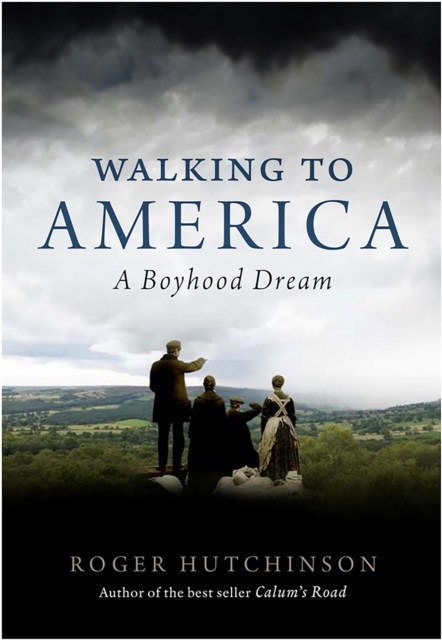
Walking To America follows and recreates the immense journey, in search of a new life and of a miracle doctor who could cure the blindness of one of their number.
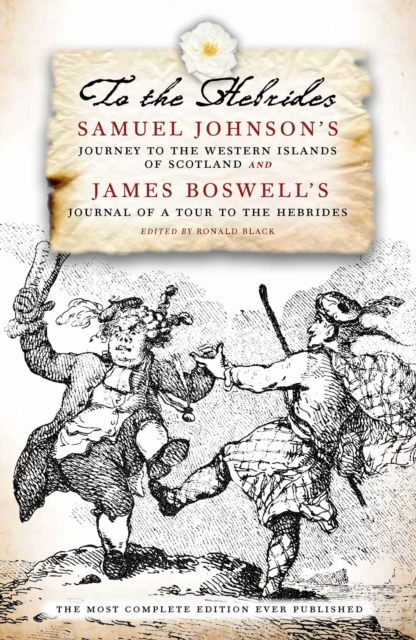
Samuel Johnson's Journey to the Western Islands of Scotland and James Boswell's Journal of a Tour to the Hebrides are widely regarded as among the best pieces of travel writing ever produced.