Dampier's (1651-1715) adventures and writing inspired both Robinson Crusoe and Gulliver's Travels, but in his own right he was a remarkable, observant and enjoyable writer - whether on a woefully mishandled pirate raid in Spanish America or on a desperate journey to Sumatra in an open boat or on the habits of manatees or bats.
Contemptuous of Europe's 'civilising mission' in Africa, Mary Kingsley's (1862-1900) extraordinary journeys through tropical west Africa are a remarkable record, both of a world which has vanished and of a writer and explorer of immense bravery, wit and humanity.
Disguised as a Persian dervish, Sir Richard Burton (1821-1890) set out to become the first Christian to penetrate the Muslim shrines of Medina and Mecca - a reckless stunt that would have resulted in his being executed if discovered.
One of the most impressive of all Victorian scientists but also a marvellous writer, Bates' (1825-1892) account of his years in the upper reaches of the Amazon is almost too good to be true - a great monument to human inquisitiveness as he battles great hoards of malevolent reptiles and insects in his quest for ever more obscure specimens on ever more narrow and creeper-choked tributaries.
Travelling through the wartorn Balkans with her husband on what proved to be a wholly useless diplomatic mission to Constantinople, Mary Wortley Montagu (1689-1762) left a vivid, informative, clever account of her adventures in the mysterious, sophisticated culture of Ottoman palaces, bathing places and courts which - even as her husband's career was falling apart - she could not have enjoyed more.
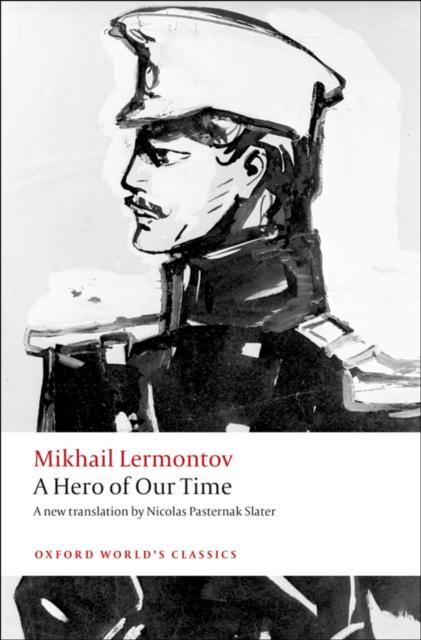
Racked with fever, virtually broke and earning a precarious living through sending back to London the plumes of beautiful birds, Wallace (1823-1913) ultimately became one of the most heroic and admirable of all scientist-explorers.
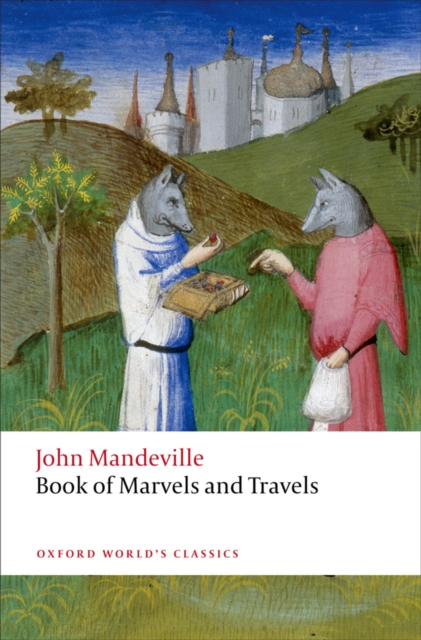
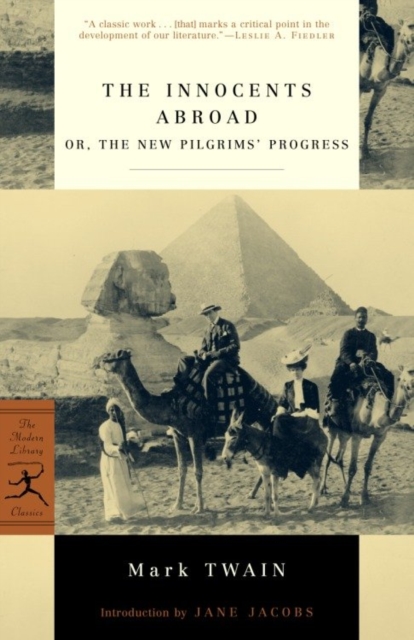
One of the great derisive monuments to the imbecilities of the tourist experience, Mark Twain's (1835-1910) account of his tour with a group of fellow Americans around the sights of Europe is both hilarious and touching, Twain's exasperation and dismay at the phoney and exploitative being matched by his excitement and pleasure in the genuinely beautiful.
Endlessly restless and endlessly curious, Isabella Bird (1831-1904) travelled the world looking for new experiences, but never more delightfully than in her pony-bound adventures in the Colorado Territory at a time when it was only notionally under the control of the American authorities.
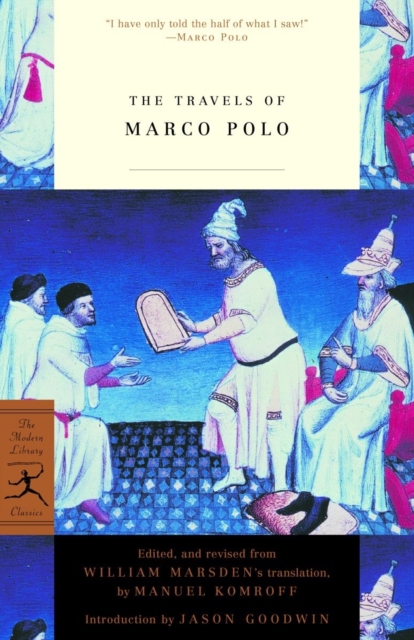
As Marco Polo (1254-1324) returned home across the Indian Ocean, after years in the service of Genghis Khan, he picked up a fabulous array of stories from sailors and merchants, about the peoples of the region, some reliable, some wholly implausible, but all fascinating.
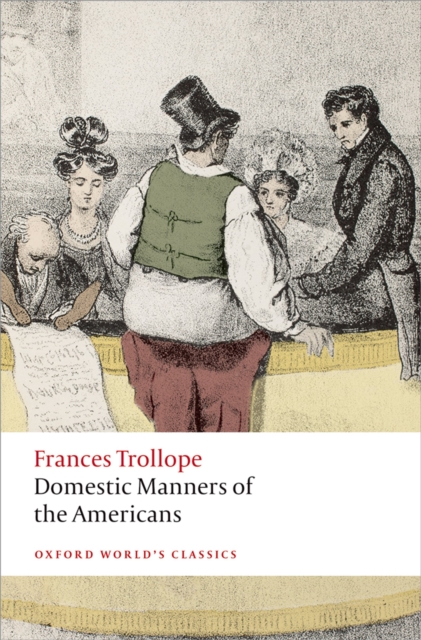
When Fanny Trollope set sail for America in 1827 with hopes of joining a Utopian community of emancipated slaves, she took with her three of her children and a young French artist, leaving behind her son Anthony, growing debts and a husband going slowly mad from mercury poisoning.
Inspired by a temple astrologer (who had accurately predicted his marriage and the birth of his two daughters), the writer and broadcaster Michael Wood travelled on a magical journey through south-east India.
The bestselling, much-loved classic account of an English couple escaping to enjoy the fruits of French rural summer living - an irresistible feast of humour and heart.
Combining the acute observation of a nineteenth-century missionary, and the wit of a Monty Python player, Redmond O'Hanlon is famous for his adventurous travel.
Touring the southern counties of England by foot and on horseback from the white cliffs of Dover to the heart of the countryside, William Cobbett recorded a swiftly changing way of life with energy, wit, passion and principle.
The American Henry James's descriptions of the countryside, monuments, universities, cathedrals, castles, customs and manners of the English are filled with elegant charm and good humour.
Jupiter's Travels -Ted Simon's astonishing 4 year motorbike journey around the world The book that inspired Ewan McGregor's Long Way RoundIn the late 1970s Ted Simon set off on a Triumph and rode 63,000 miles over four years through fifty-four countries in a journey that took him around the world.
Travelling on horseback through southern England in the early 19th century, William Cobbett provides evocative and accurate descriptions of the countryside, colourful accounts of his encounters with labourers, and indignant outbursts at the encroaching cities and the sufferings of the exploited poor.
Between 1920 and 1934, Gerald Brenan lived in the remote Spanish village of Yegen and South of Granada depicts his time there, vividly evoking the essence of his rural surroundings and the Spanish way of life before the Civil War.
'It was with aweThat I beheldFresh leaves, green leaves,Bright in the sun'When the Japanese haiku master Basho composed The Narrow Road to the Deep North, he was an ardent student of Zen Buddhism, setting off on a series of travels designed to strip away the trappings of the material world and bring spiritual enlightenment.
The Stones of Florence and Venice Observed are wonderfully vivid and perceptive descriptions of two great Italian cities, told through their history and art, revealing Mary McCarthy to be one of literature's greatest travelling companions.
'When Dickens has described something you see it for the rest of your life' George OrwellIn 1844, Charles Dickens took a break from novel writing to travel through Italy for almost a year, and Pictures from Italy is an illuminating account of his experiences there.
IN THE SOUTH SEAS records Stevenson's travels with his wife Fanny and their family in the Marquesas, the Paumotus and the Gilbert Islands during 1888-9.
In these two closely linked works - a travel book and a biography of its author - we witness a moving encounter between two of the most daring and original minds of the late eighteenth century: A Short Residence in Sweden is the record of Wollstonecraft's last journey in search of happiness, into the remote and beautiful backwoods of Scandinavia.
'Like Shakespeare, Dickens was able to embrace a whole world' John MortimerWhen Charles Dickens set out for America in 1842, he was the most famous man of his day to make the journey, and embarked on his travels with an intense curiosity.
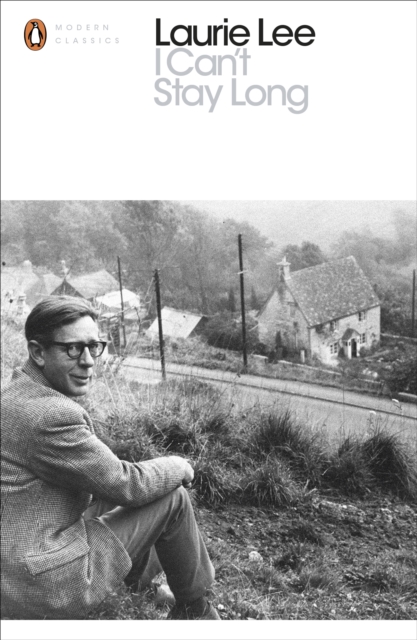
As I Walked Out One Midsummer Morning is the moving follow-up to Laurie Lee's acclaimed Cider with RosieAbandoning the Cotswolds village that raised him, the young Laurie Lee walks to London.
The Marquis de Custine's unique perspective on a vast, fascinating country in the grip of oppressive tyrannyIn 1839, encouraged by his friend Balzac, Custine set out to explore Russia.
A sparkling new translation of one of the greatest travel books ever written: Marco Polo's seminal account of his journeys in the east, in a collectible clothbound edition.
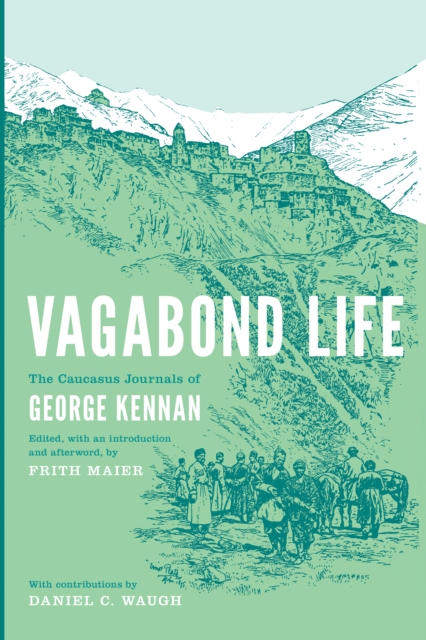
George Kennan (1845-1924) was a pioneering explorer, writer, and lecturer on Russia in the nineteenth century, the author of classic works such as Tent Life in Siberia and Siberia and the Exile System, and great-uncle of George Frost Kennan, the noted historian and diplomat of the Cold War.
Travellers in Eighteenth-Century Europe is an edited collection with contributions by leading scholars brought together by a prolific author with expertise in eighteenth-century culture.
Right in the heart of Asia, where Britain, Russia and China stretched encroaching fingers towards a possible meeting, lies the mysterious tract of country passed over in half a page in our geography books, and omitted, except in vague and general outline, from our atlases.
London ist die einzig wahre Weltstadt, ein unwiderstehlicher Melting-Pot, der mit seiner Eleganz und Energie seit Jahrhunderten Reisende stets aufs Neue in den Bann zieht.