The first edited volume of work by the legendary undercover journalist
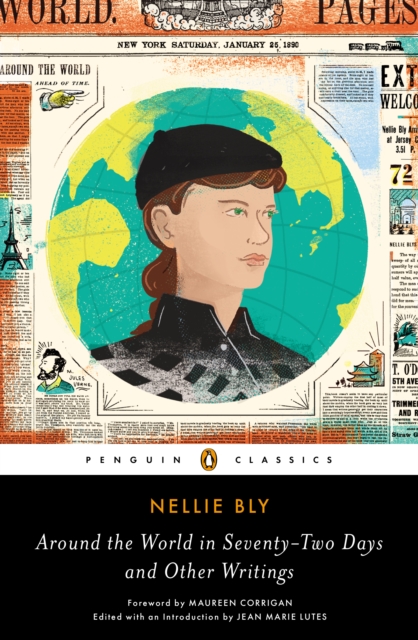
Born Elizabeth Jane Cochran, Nellie Bly was one of the first and best female journalists in America and quickly became a national phenomenon in the late 1800s, with a board game based on her adventures and merchandise inspired by the clothes she wore.
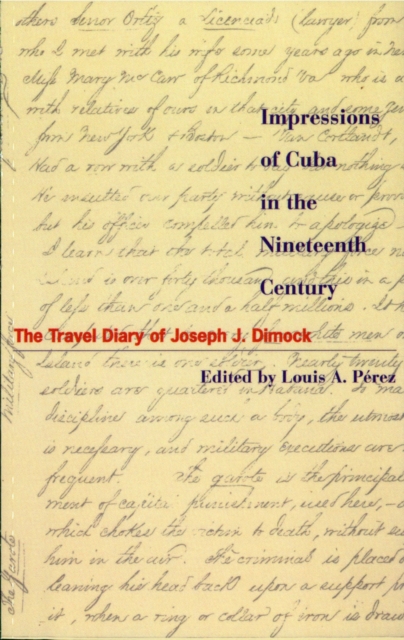
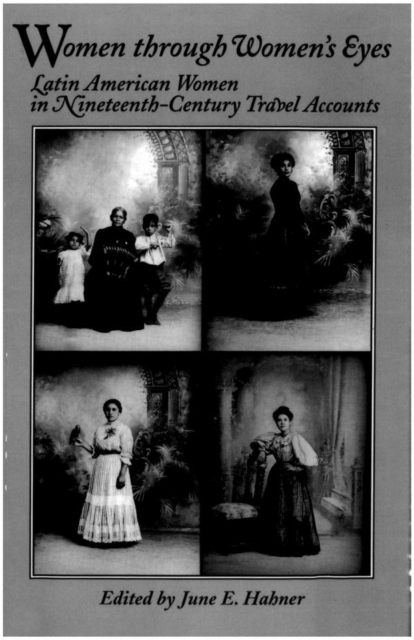
The nineteenth century was a period of peak popularity for travel to Latin America, where a new political independence was accompanied by loosened travel restrictions.
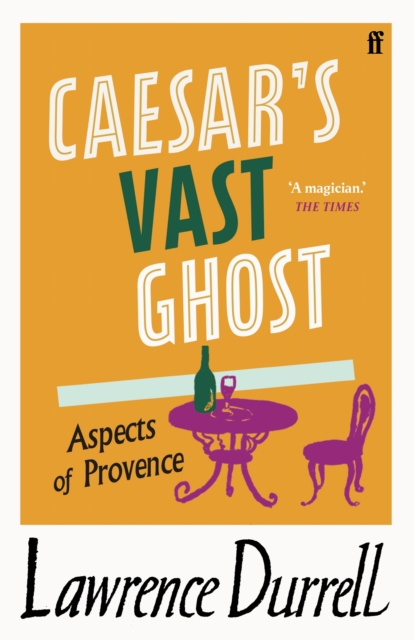
Lose yourself in this classic travelogue evoking the idyllic South of France by the king of travel writing and real-life family member of The Durrells in Corfu.
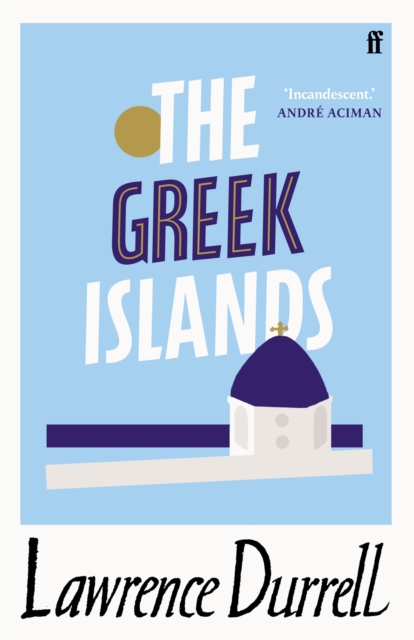
Lose yourself in this dazzling travelogue of the idyllic Greek Islands by the king of travel writing and real-life family member of The Durrells in Corfu.
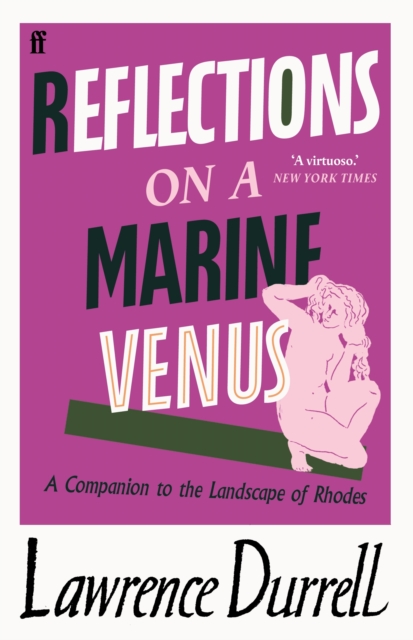
Lose yourself in this classic travelogue evoking the Greek island of Rhodes after World War II by the king of travel writing and real-life family member of The Durrells in Corfu.
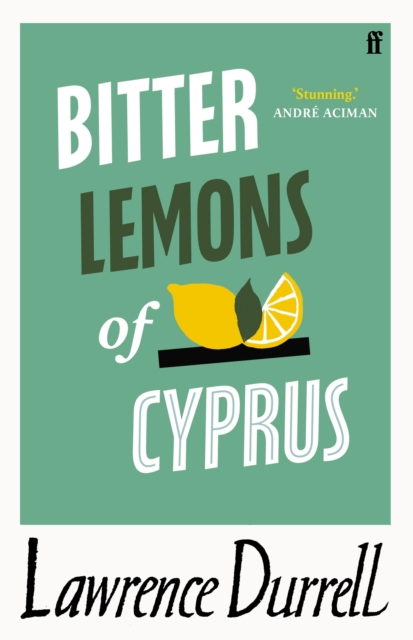
Lose yourself in this classic prize-winning memoir of life in 1950s Cyprus on the brink of revolution by the legendary king of travel writing and real-life family member of The Durrells in Corfu.
First published in 1935, Men & Gods in Mongolia is rare and unusual travel book that takes the reader into the virtually unknwon world of Mongolia, a country only now opening up to the West.
First published in 1935, Men & Gods in Mongolia is rare and unusual travel book that takes the reader into the virtually unknwon world of Mongolia, a country only now opening up to the West.
Between the end of the nineteenth century and the Second World War Macmillan published a much-loved and extremely successful series of books under the title of 'Highways and Byways'.
A fascinating insight into the complexity, history and unpredictability of Iraq from Rory Stewart, bestselling author of Politics on the Edge and host of hit podcast The Rest Is Politics.
Jon Krakauer's Into the Wild delves into the true story of Chris McCandless, a young man who left society behind to tread an uncharted path into the heart of the Alaskan wilderness.
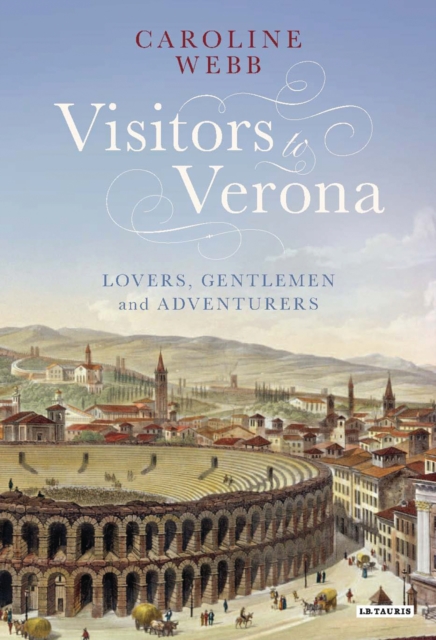
Even before the advent of mass tourism, Verona was a popular destination for travellers, including those undertaking the popular 'Grand Tour' across Europe.
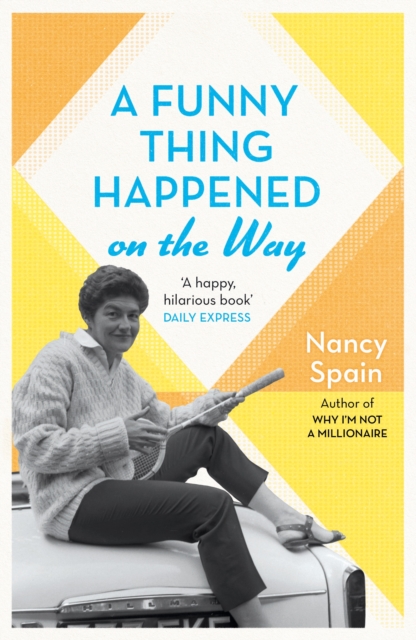
The superb classic memoir from a dazzlingly eccentric and endlessly fascinating author and feminist icon - a woman very much ahead of her time - including her time spent on the glorious island of Skiathos'A happy, hilarious book' Daily ExpressNancy Spain was one of the most celebrated - and notorious - writers and broadcasters of the 50s and 60s.
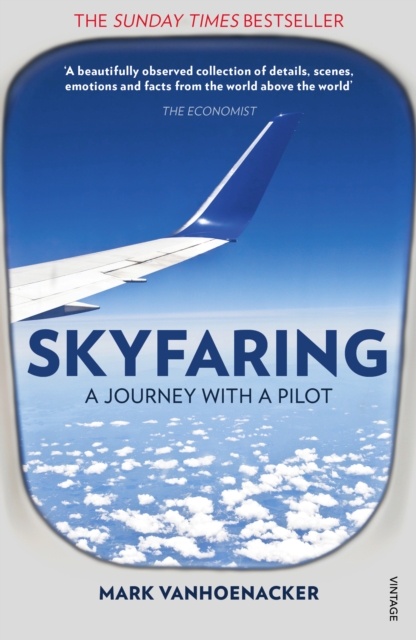
**Sunday Times Bestseller****Book of the Week on Radio 4**'A beautiful book about a part of the modern world which remains genuinely magical Mark Haddon'One of the most constantly fascinating, but consistently under-appreciated aspects of modern life is the business of flying.
During the 1970s and 1980s, Peter Matthiessen took part in a number of expeditions to Africa, witnessing first-hand the continent s many and diverse peoples and wildlife.
'It is the land of patriots, martyrs, sages, and bards, and if the ocean out of which it emerged should wash it away, it will be remembered as an island famous for immortal laws, for the announcements of original right which make the stone tables of liberty.
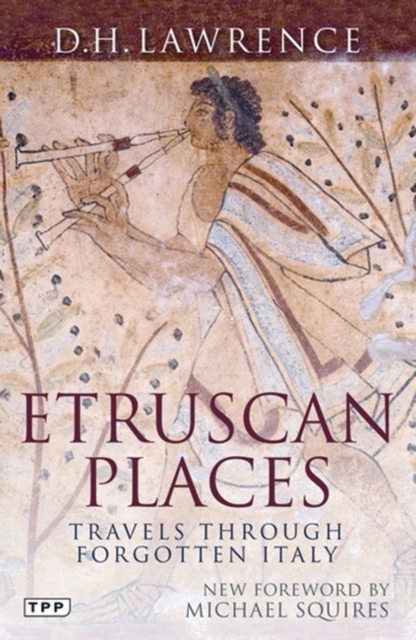
The last of Lawrence's travel books, Etruscan Places is an ephemeral and vivid account, replete with hauntingly evocative descriptions of the way of life of this once great civilisation.
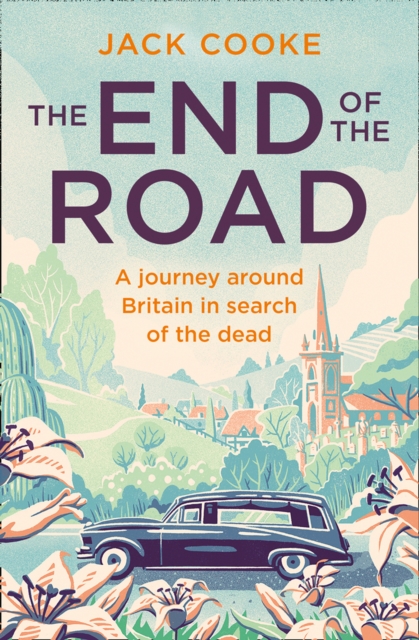
A wonderfully quixotic, charming and surprisingly uplifting travelogue which sees Jack Cooke, author of the much-loved The Treeclimbers Guide, drive around the British Isles in a clapped-out forty-year old hearse in search of famous - and not so famous - tombs, graves and burial sites.
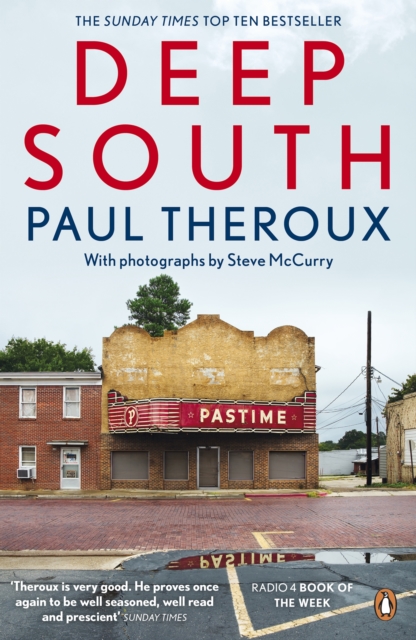
SUNDAY TIMES TOP TEN BESTSELLERWinner of the Stanford Dolman Lifetime Contribution to Travel Writing Award 2020Beloved travel writer Paul Theroux turns his attention to America, exploring the landscapes and communities of his homeland as an outsider for the first timeFor the past fifty years, Paul Theroux has travelled to the far corners of the earth - to China, India, Africa, the Pacific Islands, South America, Russia, and elsewhere - and brought them to life in his cool, exacting prose.
An omnibus containing Austin Mitchell's classic books THE HALF-GALLON QUARTER-ACRE PAVLOVA PARADISE and PAVLOVA PARADISE REVISITED, available for the first time in ebook.
In this collection of Theroux's shorter travel writings, he writes of sweatshops in Dongguan, massage parlours in Kowloon, jellyfish in Palau and bomb craters on Chrsitmas Island.
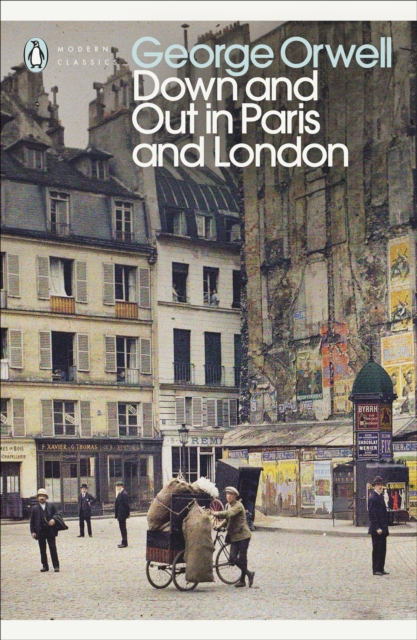
George Orwell's vivid memoir of his time living among the desperately poor and destitute, Down and Out in Paris and London is a moving tour of the underworld of society 'You have talked so often of going to the dogs - and well, here are the dogs, and you have reached them.
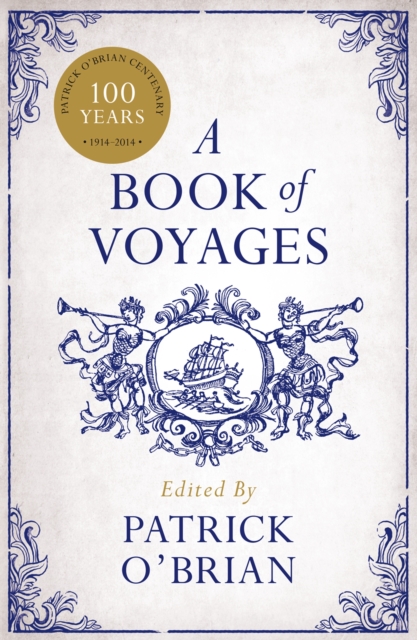
An anthology of 17th and 18th century travel writing that inspired the hugely popular Aubrey/Maturin series, collected and introduced by Patrick O'Brian, beautifully repackaged to mark the centenary of his birth.