The book represents a comprehensive review and synthesis of the biomedical literature that spans over a half-century on a single protein called glyceraldehyde 3-phosphate dehydrogenase (or, GAPDH).
Among the highlights of this book is the use of novel insecticides acting on a specific site in an insect group and are compatible with natural enemies and the environment.
This proceedings volume contains the invited and a selection of the contributed papers of the 8th International Workshop on Sulfur Metabolism in Higher Plants, which was held at Department of Forest and Ecosystem Science, University of Melbourne, Water Street, Creswick, Victoria 3363, Australia from November 22-27, 2010.
This work presents the most advanced discoveries from translational research laboratories directly involved in identifying molecules and signalling pathways that play an instrumental role in metastasis.
The book consists of multiple chapters by leading experts on the different aspects in the unique relationship between arthropods and plants, the underlying mechanisms, realized successes and failures of interactions and application for IPM, and future lines of research and perspectives.
Calcium signaling contains a unique selection of chapters that cover a wide range of contemporary topics in this ubiquitous and diverse system of cell signaling.
In the recent years, the looming food scarcity problem has highlighted plant sciences as an emerging discipline committed to devise new strategies for enhanced crop productivity.
This is a solitary attempt to streamline all the possible information related to citrus nutrition, with emphasis on diagnosis and management of nutrient constraints, employing a variety of state-of-art techniques evolved globally over the years .
Based on the "e;International Symposium of Molecular Environmental Soil Science at the Interfaces in the Earth's Critical Zone,"e; this book focuses on the Critical Zone supporting life at the Earth's surface with emphasis on the new and emerging subject area of molecular environmental soil science.
This volume is a collection of the contributions presented at the 42nd Erice Crystallographic Course whose main objective was to train the younger generation on advanced methods and techniques for examining structural and dynamic aspects of biological macromolecules.
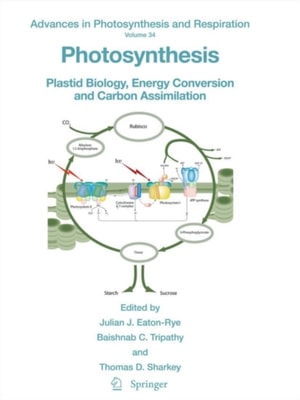
"e;Photosynthesis: Plastid Biology, Energy Conversion and Carbon Assimilation"e; was conceived as a comprehensive treatment touching on most of the processes important for photosynthesis.
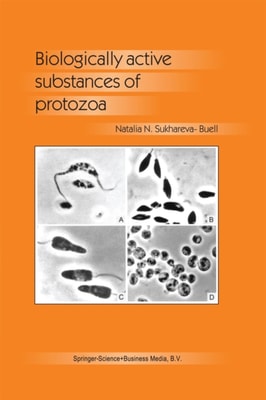
The search for new producers of biologically active substances (BAS) against human and animal diseases continues to be an important task in biology and medicine.
Fisheries genetics researchers will find invaluable the thirty-eight peer-reviewed contributions in this book, presented at the 20th Lowell Wakefield Fisheries Symposium "e;Genetics of Subpolar Fish and Invertebrates,"e; held in May 2002 in Juneau, Alaska.
Over the last few years, bacterial adhesion has become a more and more important and active scientific area, but the field lacks communication and scientific exchange between medical and microbiology researchers who work with the relevant biological systems, and biochemists, structural biologists and physicists, who know and understand the physical methods best suited to investigate the phenomenon at the molecular level.
The publication of Vanadium: Biochemical and Molecular Biological Approaches is particularly timely as it exactly coincides with the centennial anniversary of the discovery of vanadium by Professor Henze, in the blood cells of an ascidian (tunicate) collected in Gulf of Naples in 1911.
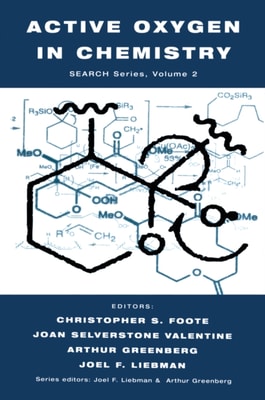
Taking an interdisciplinary approach, this book and its counterpart, Active Oxygen in Biochemistry, explore the active research area of the chemistry and biochemistry of oxygen.
The aim of this book is to provide the researcher with important sample preparation strategies in a wide variety of analyte molecules, specimens, methods, and biological applications requiring mass spectrometric analysis as a detection end-point.
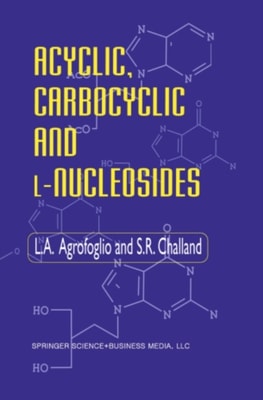
Interest in chemical entities capable of blocking or modifying cell metabolism ultimately goes back to the discovery of the structure of DNA in the 1950s.
This publication is unique among a number of books on cyanobacteria because it focuses on the bioenergetics of these widespread organisms which are the evolutionary prerequisite for the development of all higher forms of life on our "e;blue"e; planet.
The entire range of the developmental processes in plants is regulated by a shift in the hormonal concentration, tissue sensitivity and their interaction with the factors operating around them.
The text of the The Encyclopaedia of Dairy Chemistry book has been drawn from diverse sources, and in the references quoted the author pays tribute to those who have contributed to the rapid progress of dairy science, and at the same time hopes that the references may be of use to those who seek a more specialized knowledge of sore aspects of the work.
The text of the The Encyclopaedia of Dairy Chemistry book has been drawn from diverse sources, and in the references quoted the author pays tribute to those who have contributed to the rapid progress of dairy science, and at the same time hopes that the references may be of use to those who seek a more specialized knowledge of sore aspects of the work.
This book is first of its kind exclusively dedicated to plant polyphenol oxidases (PPOs), highlighting their importance in the food processing industry.
The present edited book is an attempt to update the state of art of the knowledge on metabolism of ROS and antioxidants and their relationship in plant adaptation to abiotic stresses involving physiological, biochemical and molecular processes.
This book provides essential information on improving protein folding/stability, which is a result of the balance between the intra-molecular interactions of protein functional groups and their interactions with the solvent environment.
Genetic transformation is a key technology, in which genes are transferred from one organism to another in order to improve agronomic traits and ultimately help humans.