Due to continuous technical developments and new insights into the high complexity of neurological diseases, there is an increasing need for the application of proteomic technologies which can yield potential biomarker readouts for improved clinical management as well as for the development of new drugs by struggling pharmaceutical companies.
This text details the plant-assisted remediation method, "e;phytoremediation"e;, which involves the interaction of plant roots and associated rhizospheric microorganisms for the remediation of soil contaminated with high levels of metals, pesticides, solvents, radionuclides, explosives, crude oil, organic compounds and various other contaminants.
Due to the paucity of reviews on this subject, this volume aims to be timely and promote additional basic and translational research on these proteins in reproductive system development and function within the fields of Anatomy, Embryology and Cell Biology.
This edited volume focuses on comprehensive state-of-the-art information about the practical aspects of cultivation, harvesting, biomass processing and biofuel production from algae.
This book assembles concisely written chapters by world-leaders in the field summarizing recent advances in understanding microbial responses to hydrocarbons.
This book covers the current states of microbial and related technologies that have been developed for the efficient production of chemicals, fuels and materials by integrating strain and enzyme development, fermentation processes, and downstream processes.
Concise chapters, written by experts in the field, cover a wide spectrum of topics on lipid and membrane formation in microbes (Archaea, Bacteria, eukaryotic microbes).
This book describes the biochemistry and genetics of aerobic degradation of hydrocarbons and lipids by bacteria and yeasts, as well as the functional genomics of the best-known microorganisms involved in these processes.
This book focuses on some of the most significant advances in enzyme engineering that have been achieved through directed evolution and hybrid approaches.
For several years, researchers have been reporting the effects of microwave radiation/heating on both the structure and function of DNA, RNA and proteins.
Originally confused with opioid receptors and then orphan receptors with no biological function, Sigma Receptors are now recognized as relevant to many degenerative diseases with remarkable potential as therapeutic targets.
This is the second edition of a very well received book that details how the sumoylation system functions and how it modulates numerous cellular activities.
This book focuses on the basic science recently produced in Brazil for the improvement of sugarcane as a bioenergy crop and as a raw material for 2nd generation bioethanol production.
This book provides the readers with an up-to-date review of the design, structure and function of a representative selection of fibrous proteins in both health and disease.
With one volume each year, this series keeps scientists and advanced students informed of the latest developments and results in all areas of the plant sciences.
Leading researchers from industry, academy, government and private research institutions across the globe have contributed to this book, which presents all types of rubber blend composites based on biomaterials as well as nanocomposites.
This Brief explores the use of proteomics as a tool for biomarker discovery in human reproduction and summarizes current findings and trends of proteomic studies in both male and female infertility.
This book describes how epigenetic context, in a large sense, affects gene expression and the development of an organism, using the asymptotic limit theorems of information theory to construct statistical models useful in data analysis.
This book focuses on the salient features of the biology of Bone Morphogenetic Proteins and the advances in our understanding of their structure and function and of downstream signaling, as well as their governance in systems biology from bone and dentin to kidney, cancer, diabetes, iron homeostasis and angiogenesis, including rare musculoskeletal disorders.
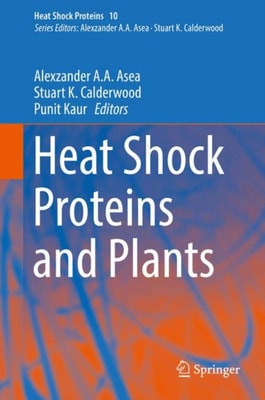
Heat Shock Proteins and Plants provides the most up-to-date and concise reviews and progress on the role of heat shock proteins in plant biology, structure and function and is subdivided into chapters focused on Small Plant HSPs (Part I), Larger Plant HSPs (Part II) and HSPs for Therapeutic Gain (Part III).
This book reviews the structure of different biological adhesives and the mechanisms by which they achieve interfacial adhesion, cohesive strength, and fracture toughness.
Using a novel approach that combines high temporal resolution of the laser T-jump technique with unique sets of fluorescent probes, this study unveils previously unresolved DNA dynamics during search and recognition by an architectural DNA bending protein and two DNA damage recognition proteins.
This volume of comprehensive reviews updates our knowledge of research and commercialization of Bacillus-based products in agriculture and the environmental sector.
This succinct volume addresses the production of inactive, potentially toxic proteins in the absence of correct protein folding and the resultant neurodegenerative diseases.
Recent work has begun to elucidate at the molecular level how albumin is handled by the kidney and how albuminuria develops in various proteinuric diseases including minimal change disease and focal segmental glomerulosclerosis.
This two-volume set takes an in-depth look at stress signaling in plants from a uniquely genomic and proteomic perspective and offers a comprehensive treatise that covers all of the signaling pathways and mechanisms that have been researched so far.
This textbook presents concise chapters written by internationally respected experts on various important aspects of cancer-associated metabolism, offering a comprehensive overview of the central features of this exciting research field.
This text details the plant-assisted remediation method, "e;phytoremediation,"e; which involves the interaction of plant roots and associated rhizospheric microorganisms for the remediation of soil contaminated with high levels of metals, pesticides, solvents, radionuclides, explosives, crude oil, organic compounds and various other contaminants.
This volume serves as a valuable handbook for the development of nanomedicines made of polymer nanoparticles because it provides researchers, students, and entrepreneurs with all the material necessary to begin their own projects in this field.