The Elsevier book-series "e;Advances in Planar Lipid Bilayers and Liposomes' (APLBL) provides a global platform for a broad community of experimental and theoretical researchers studying cell membranes, lipid model membranes and lipid self-assemblies from the micro- to the nanoscale.
Quantitative Human Physiology: An Introduction, winner of a 2018 Textbook Excellence Award (Texty), is the first text to meet the needs of the undergraduate bioengineering student who is being exposed to physiology for the first time, but requires a more analytical/quantitative approach.
Priming-Mediated Stress and Cross-Stress Tolerance in Crop Plants provides the latest, in-depth understanding of the molecular mechanisms associated with the development of stress and cross-stress tolerance in plants.
This book discusses the various types of treatment and transport of emerging contaminants, to provide a concise and useful overview for the graduate or professional students.
Handbook of Material Biodegradation, Biodeterioration, and Biostabilization, Second Edition gives extensive information on the microorganisms involved in the biodegradation of materials, along with the biocides which are permitted for use according to the most up-to-date worldwide legislation.
'Crucially, this book bridges a gap in our understanding of how different societal sectors can be united to define roles, identify shared interests and devise strategies that complement progress towards more sustainable material use.
'Darina Allen is Ireland's Delia Smith and Mary Berry rolled into one' - The Times'She is without doubt one of the most important people working in the food world today' - Skye GyngellWe all know cooking from scratch is healthier for our waistlines and our wallets, but pressed for time and inspiration, most of us turn to the same meals again and again.
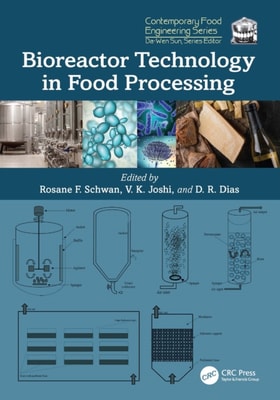
Bioreactor Technology in Food Processing brings peculiarities, specificities, and updates on bioreactors and bioprocesses related to food and beverage production.
Aimed at advanced undergraduates, postgraduates and researchers, this important textbook provides a detailed description of the structure and mechanisms of phosphoinositide 3-kinase (PI3Ks) signalling of all classes, with focus on the cellular context of PI3K activity, including its relevance to normal tissue and diseased states.
Although textbooks on the physics of condensed matter consider non-covalent interactions in detail, their application for analysis of protein properties is often poorly presented or omitted.
To understand and improve the underlying principles that govern how organic reactions occur, A Foundation Course for College Organic Chemistry follows a brick-by-brick building approach.
This book covers the current understanding of the role of activation-induced cytidine deaminase (AID) in the generation of antibody response to antigenic challenge.
Given the immense progress achieved in elucidating protein-protein complex structures and in the field of protein interaction modeling, there is great demand for a book that gives interested researchers/students a comprehensive overview of the field.
The metabolic regulation of a cell system is of critical importance in systems biology, and a robust model of these mechanisms is essential in predicting the effects on the metabolism of both the culture environment and the knockout of specific genes.
Stochastic kinetic methods are currently considered to be the most realistic and elegant means of representing and simulating the dynamics of biochemical and biological networks.
Protein folding is a process by which a protein structure assumes its functional shape of conformation, and has been the subject of research since the publication of the first software tool for protein structure prediction.
The application of nuclear magnetic resonance (NMR) metabolomics in cancer research requires an understanding of the many possibilities that NMR metabolomics can offer, as well as of the specific characteristics of the cancer metabolic phenotype and the open questions in cancer research.
Written by a leading researcher in the field, Transporters in Drug Discovery and Development provides a comprehensive and practical guide to drug transporter families that are the most important for drug discovery and development.
Ocular transporters and receptors contains detailed descriptions of major transporters and receptors expressed in the eye, with special emphasis on their role in drug delivery.
Marine bioprospecting is a highly topical subject - in both applied and basic research - but, as yet, the marine ecosystem is a relatively unexplored source of natural bioactive substances with potential therapeutic activity.
Ethers and crown ethers are important structural parts of many man-made or natural organic materials with medicinal, agrochemical or technological attributes.
The pharmaceutical industry has become increasingly interested in biologics from animal venoms as a potential source for therapeutic agents in recent years, with a particularly emphasis on peptides.
Synthetic biology is a new area of biological research that combines science and engineering in order to design and build novel biological functions and systems.
Dementia and neurodegenerative diseases such as Parkinson's and Alzheimer's are becoming an increasingly important cause of medical and social concern due to the growth in the ageing population.
Complex carbohydrates such as high molecular weight polysaccharides like starch and cellulose, are well known for their importance in foodstuffs, paper and wood, but their importance extends far beyond that into the biopharmaceutical, healthcare, oil and printing industries.
Anti-Inflammatory Drug Discovery provides a comprehensive review of recent medicinal chemistry approaches to a variety of important therapeutic targets and provides a key reference for those interested in the prosecution of modern drug discovery programs directed at anti-inflammatory mechanisms of action.
Ion channel drug discovery is a rapidly evolving field fuelled by recent, but significant, advances in our understanding of ion channel function combined with enabling technologies such as automated electrophysiology.
This book offers an integrated review of the most recent trends in natural products drug discovery and key lead candidates that are outstanding for their chemistry and biology as a starting point in novel drug development.