Advances in Dermatological Sciences collates major scientific research achievements over the last two years in a diverse range of dermatological research fields.
Comprehensive Biomarker Discovery and Validation for Clinical Application provides the reader with an extensive introduction into all aspects of proteomics biomarker discovery, validation and development.
This book details polysaccharides and other important biomacromolecules covering their source, production, structures, properties, and current and potential application in the fields of biotechnology and medicine.
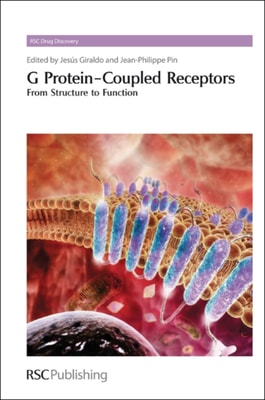
G protein-coupled receptors (GPCRs) are the largest family of cell-surface receptors, with more than 800 members identified thus far in the human genome.
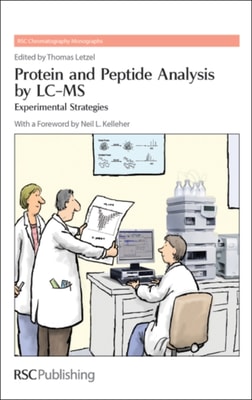
This book is the first example in presenting LC-MS strategies for the analysis of peptides and proteins with detailed information and hints about the needs and problems described from experts on-the-job.
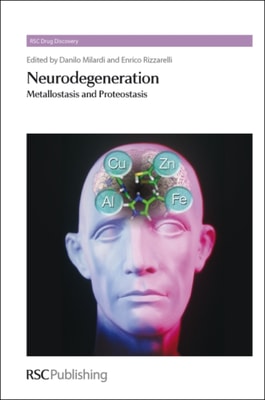
Since Alois Alzheimer described the results of his postmortem studies in 1906, significant strides have been made in understanding the pathogenesis of neurodegenerative diseases.
This book re-evaluates epidemiological and occupational health studies, experimental studies in animals and in vitro experiments relating to the toxicity of 27 metal and metalloid elements for which evidence of carcinogenicity has been presented.
In recent years there has been increasing evidence of the importance of carbohydrates and glycoconjugates in biomedical applications, and the use of synthetic ligands based on carbohydrates as drugs has received much attention.
This unique introduction to the growing field of microfluidics applied to genomics provides an overview of the latest technologies and emphasizes its potential in answering important biological questions.
RNA helicases and RNA helicase-like proteins are the largest group of enzymes in eukaryotic RNA metabolism and although they are subject to intense ongoing research there is much confusion about function and classification of these enzymes.
With usage of mass spectrometry continually expanding, an increasing number of scientists, technicians, students, and physicians are coming into contact with this valuable technique.
For far too long chemists and industrialists have relied on the use of aggressive reagents such as nitric and sulphuric acids, permanganates and dichromates to prepare the massive quantities of both bulk and fine chemicals that are needed for the maintenance of civilised life - materials such as fuels, fabrics, foodstuffs, fertilisers and pharmaceuticals.
Several books and many papers have been published during the last decade on the design and the use of new nanomaterials in medicine and technology, which describe major concepts of nanotechnology.
The cell can be viewed as a 'collection of protein machines' and understanding these molecular machines requires sophisticated cooperation between cell biologists, geneticists, enzymologists, crystallographers, chemists and physicists.
The interfacing of man-made electronics with redox proteins and enzymes not only tells us a great deal about the levels of sophistication active in biology, but also paves the way to using it in derived sensory devices.
DNA replication, the process of copying one double stranded DNA molecule to form two identical copies, is highly conserved at the mechanistic level across evolution.
Nutrition is viewed traditionally as the specific dietary requirements of different age groups, without exploring diet in the context of a life-long contributory factor to well-being.
Fatty alcohols occur naturally in most organisms and can also be used in consumer products including detergents and cosmetics and all of these materials make their way to the sea eventually.
This book provides an interdisciplinary review of one of the great unsolved mysteries that has fascinated scientists for over 150 years: the origin of chirality in biomolecules.
In an ever-increasing domain of activity, Amino Acids, Peptides and Proteins provides an annual compilation of the world's research effort into this important area of biological chemistry.
Fungi occupy an important place in the natural world, as non-photosynthetic organisms, they obtain their nutrients from the degradation of organic material.
This book provides a comprehensive overview of the development of therapeutic oligonucleotides for therapeutic applications, touching on a number of additional oligonucleotides including a number of small interfering RNAs currently in various phases of clinical development.