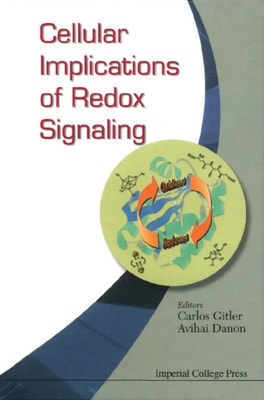
Redox regulation, like phosphorylation, is a covalent regulatory system that controls many of the normal cellular functions of all living cells and organisms.
High-throughput sequencing and functional genomics technologies have given us a draft human genome sequence and have enabled large-scale genotyping and gene expression profiling of human populations.
The CCN Proteins are thought to play key roles in the biology of normal cell, tissue, organ, and body, and altered expression of CCN proteins is associated with several pathologies, including fibrosis and cancer.
This book brings together some of the leading researchers in the actively investigated field of oxidative stress, an area of study which is of importance to human health and disease.
High-throughput sequencing and functional genomics technologies have given us a draft human genome sequence and have enabled large-scale genotyping and gene expression profiling of human populations.
Implementing biocatalytic strategies in an industrial setting at a commercial scale is a challenging task, necessitating a balance between industrial need against economic viability.
There has been enormous progress in our understanding of molybdenum and tungsten enzymes and relevant inorganic complexes of molybdenum and tungsten over the past twenty years.
Epigenetics is one of the fastest moving fields in drug discovery, with almost every large pharmaceutical company and a substantial number of biotechnology companies targeting epigenetic processes to treat diseases ranging from cancer to Huntington's disease and from inflammation to sickle cell anaemia.
Despite ongoing efforts to prohibit the production, storage and use of chemical warfare agents recent world events highlight the enduring threat to the population from these agents.
Ambient ionization has emerged as one of the hottest and fastest growing topics in mass spectrometry enabling sample analysis with minimal sample preparation.
Building on key reactions presented in Volume 1, Synthetic Methods in Drug Discovery Volume 2 covers a range of important reaction types including organometallic chemistry, fluorination approaches and asymmetric methods as well as new and exciting areas such as Csp2-Csp3 couplings, catalytic amide bond forming reactions, hydrogen borrowing chemistry and methods to access novel motifs and monomers.
The simulation of enzymatic processes is a well-established field within computational chemistry, as demonstrated by the 2013 Nobel Prize in Chemistry.
The structure, function and reactions of nucleic acids are central to molecular biology and are crucial for the understanding of complex biological processes involved.
This book details polysaccharides and other important biomacromolecules covering their source, production, structures, properties, and current and potential application in the fields of biotechnology and medicine.
Fragment-based drug discovery is a rapidly evolving area of research, which has recently seen new applications in areas such as epigenetics, GPCRs and the identification of novel allosteric binding pockets.
The pharmaceutical industry has become increasingly interested in biologics from animal venoms as a potential source for therapeutic agents in recent years, with a particularly emphasis on peptides.
Despite ongoing efforts to prohibit the production, storage and use of chemical warfare agents recent world events highlight the enduring threat to the population from these agents.
Peroxynitrite is a powerful oxidiser which can damage a wide array of molecules within cells, including DNA and proteins, leading to apoptosis, inflammation or cancer.
One strategy to expedite the discovery of new drugs, a process that is somewhat slow and serendipitous, is the identification and use of privileged scaffolds.
Synthetic receptor molecules, molecules that mimic antibody recognition, are widely used for developing drug leads; drug delivery vehicles; imaging agents; sensing agents; capture agents and separation systems.
Since the discovery of the first examples of 2-oxoglutarate-dependent oxygenase-catalysed reactions in the 1960s, a remarkably broad diversity of alternate reactions and substrates has been revealed, and extensive advances have been achieved in our understanding of the structures and catalytic mechanisms.
Fragment-based drug discovery is a rapidly evolving area of research, which has recently seen new applications in areas such as epigenetics, GPCRs and the identification of novel allosteric binding pockets.
This book provides a history and discussion of the use of human tissues as an alternative to animal-based testing for assessing the efficacy and safety of new medicines.
The incorporation of Green Chemistry is a relatively new phenomenon in the drug discovery discipline, since the scale that chemists operate on in drug discovery is smaller than those of process and manufacturing chemistry.
This unique book describes the latest information in the fundamental understanding of the biophysics and biochemistry of articular cartilage using the state-of-the-art practices in NMR and MRI.
There has been enormous progress in our understanding of molybdenum and tungsten enzymes and relevant inorganic complexes of molybdenum and tungsten over the past twenty years.
There has been enormous progress in our understanding of molybdenum and tungsten enzymes and relevant inorganic complexes of molybdenum and tungsten over the past twenty years.