Cellular virology has made tremendous advances in the past decade due to the availability and application of new immunological techniques together with the vast range of biochemical techniques and the continued impact of transmission electron microscopy.
MANY aspects of physiology are best understood in terms of bodily reactions to environmental stress, and temperature is one of the most often encountered stress factors in the environment.
Volume 18 of the Subcellular Biochemistry series, which specializes in various aspects of the biochemistry of the intracellular parasites, was initially proposed by Jose Luis Avila and strongly supported by myself, as Series Editor of Sub- cellular Biochemistry.
The contents of this book are the proceedings of the ACS symposium, "e;Fumonisins in Food,"e; which was held April 4-6, 1995, at the American Chemical Society National Meeting in Anaheim, CA.
Scientific advances over the past two decades have afforded unprecedented oppor- tunities to understand the structure and function of receptors, receptor-ligand interactions, and receptor signaling.
This volume represents the proceedings of an international symposium on sample preparation, held at the University of Surrey, and jointly organised by the Chromatographic Society and the Robens Institute.
The NATO-Advanced Research Workshop "e;Esterases, Lipases and Phospholipases: From Structure to Clinical Significance"e; was held at the University of Bordeaux II, France from 22nd- 24th September 1993 under the Directorship of Professor Michel Clerc of the University of Bordeaux II.
This volume contains the contributions from the speakers at the NATO Advanced Research Workshop on "e;Structure of the Photosynthetic Bacterial Reaction Center X-ray Crystallography and Optical Spectroscopy with Polarized Light"e; which was held at the "e;Maison d'Hotes"e; of the Centre d'Etudes Nucleaires de Cadarache in the South of France, 20-25 September, 1987.
As we approach the twenty-first century the problems of industrialization are evident: we find there is a greenhouse effect, the ozone layer is being depleted, the rain is acidified, and there is a terrible problem of increasing C0 concentrations in the atmo- 2 sphere.
Taken together the data presented in this review, and work by many other investigators, support the notion that DNA excision repair is important in a tumor cell's resistance to platinum compounds.
The idea for this book came from discussions among participants in a symposium on biotechnical applications at the "e;Pacifichem 89"e; meeting in Honolulu.
This book was developed from the papers presented at a symposium on "e;Water Relationships in Foods,"e; which was held from April 10-14, 1989 at the 197th National Meeting of the American Chemical Society in Dallas, Texas, under the auspices of the Agricultural and Food Chemistry Division of ACS.
The rapidly burgeoning research of the past two decades on agonist-antagonist analgesics and opioid receptors makes this exhaustive review of opioid anal- gesics particularly relevant and timely.
As the First International Conference on Water and Ions in Biological Systems (Bucharest, June 25-27, 1980) was appreciated as a success, a second one was organized in the fall of the year 1982 under the sponsorship of the United Nations Educational, Scientific and Cultural Organization (UNESCO), the Romanian Academy of Medical Sciences, the Romanian Biophysical Society (Union of Societies for Medical Sciences in the Socialist Republic of Romania) and in co- operation with the International Union for Pure and Applied Bio- physics (IUPAB).
Man-made carcinogens, natural genotoxic agents in the environment, as well as ionizing and ultraviolet radiation can damage DNA and are a constant threat to genome integrity.
'Provides comprehensive detail on the various aspects of particular molecules involved in the phases of injury and repair and the cellular movements and processes.
This book offers a basic understanding of the complex mechanisms that protect the brain from harmful substances while still allowing for essential functions such as nutrient transport and waste removal.
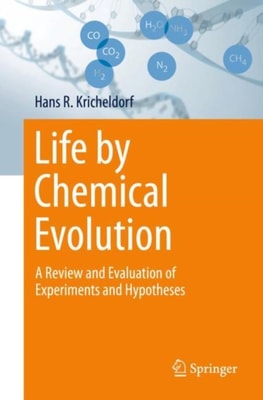
This book provides an in-depth analysis of the hypothesis of chemical evolution that may have led to the origin of life, serving three main purposes: it provides a comprehensive summary of hundreds of chemical experiments and analytical studies from the past 70 years, evaluates their significance in supporting the hypothesis of chemical evolution, and offers a critical review of these experiments and hypotheses.