This volume describes and illustrates neural pathways, their interrelationships, and their blood supply, and is aimed particularly at students of neuroanatomy, particularly medical students.
This handbook, published to mark the 20th anniversary of The Amylase Research Society of Japan, presents a concise account of the properties and applications of amylases and related enzymes.
Recombinant DNA methods are powerful, revolutionary techniques that allow the isolation of single genes in large amounts from a pool of thousands or millions of genes and the modification of these isolated genes or their regulatory regions for reintroduction into cells for expression at the RNA or protein levels.
Footprinting of Nucleic Acid-Protein Complexes provides protocols for studying the stoichiometry, binding site size and location, and structural changes in nucleic acids caused by their interaction with proteins.
A multi-authored and comprehensive text, Cell Physiology Source Book enables graduate students in various biological sub-disciplines to gain a thorough understanding of cell physiology.
Since photosynthetic performance is a fundamental determinant of yield in the vast majority of crops, an understanding of the factors limiting photosynthetic productivity has a crucial role to play in crop improvement programmes.
There is very little in this eleventh volume of Topics in Photosynthesis which could have been written when the first volume was published fifteen years ago.
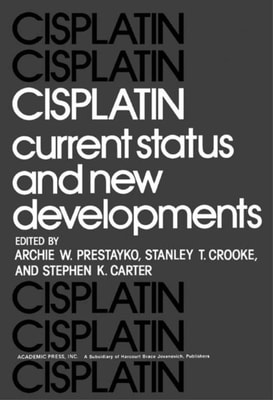
Cisplatin: Current Status and New Developments is a collection of papers presented at a symposium sponsored by the University of Alabama in Birmingham Comprehensive Cancer Center and the Bristol Laboratories in Syracuse, ?
This two-volume work not only includes much of the newer molecular biology research but also important earlier research in this area essential for the comprehensive understanding of the biochemistry of neoplastic diseases.
Many of the phospholipases and even the receptor for inositol 1,4,5-trisphosphate have recently been cloned and sequenced and play an important role in neurotransmission.
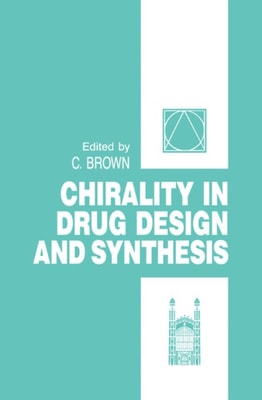
Chirality in Drug Design and Synthesis is a collection of papers that discusses the property of asymmetry in the structural and synthetic chemistry of natural products, including the significance of chirality in medicinal chemistry.
Human Chromosomes: An Illustrated Introduction to Human Cytogenetics focuses on the processes, methodologies, and approaches involved in the study of human chromosomes.
Nucleotide Sequences 1986/1987, Volume III: Other Vertebrates and Invertebrates presents data that reflect the information found in GenBank Release 44.
A Theory that any Organism is a Single Chemical Molecule focuses on the reactions, transformations, properties, technologies, and approaches involved in the study of molecules.
Metabolic Activation of Polynuclear Aromatic Hydrocarbons deals with the metabolic activation of polynuclear aromatic hydrocarbons and covers topics ranging from the cytotoxic, mutagenic, and carcinogenic effects of arene oxides to the role of secondary metabolites as ultimate carcinogens.
Enzymology in the Practice of Laboratory Medicine focuses on disease processes, enzymatic reactions and activities, and diagnosis and management of diseases.
Calculator Programming for Chemistry and the Life Sciences illustrates the power of the programmable calculator as a tool that provides new dimensions to scientific research.
Enzyme Nomenclature 1978 is based upon the recommendations of the Nomenclature Committee of the International Union of Biochemistry on the Nomenclature and Classification of Enzymes.
The Cell Nucleus: Chromatin, Part A is a collection of papers that deals with the fundamental research involving cellular responses to environmental stimuli and stress.
Molecular Biology of Plants presents the formal scientific presentations delivered on the symposium on plant molecular biology, held at the University of Minnesota in 1976.
Control of Energy Metabolism: A Colloquium of the Johnson Research Foundation focuses on the processes, reactions, and approaches involved in the control of energy metabolism.
Structure and Functions of Contractile Proteins focuses on the analysis of problems on the structure and functions of contractile proteins in which substantial progress has been achieved.
Methods in Neurosciences, Volume 1: Gene Probes is a compendium of papers that deals with the developments in molecular biology, cell biology, and electrophysiology.
Protein and Amino Acid Requirements of Mammals focuses on the determination of the protein and amino acid requirements of various mammals, including man in particular.
Alcohol and Aldehyde Metabolizing Systems, Volume III: Intermediary Metabolism and Neurochemistry contains some of the papers presented at the Second International Symposium on Alcohol and Aldehyde Metabolizing Systems, held at the University of Pennsylvania in October 1976.
Carbohydrate Metabolism and its Disorders focuses on the processes and methodologies involved in carbohydrate metabolism, including detection of diabetes, hypoglycemic syndromes, cardiovascular diseases, and atherosclerosis.
Biochemistry and Physiology of Protozoa, Volume I focuses on the chemical and physiological features of Protozoa, including nutrition, metabolism, and growth of phytoflagellates, Trypanosomidae and Bodonidae, biochemistry of ciliates and Plasmodium, and the influence of antimalarials.
Oxygenases focuses on the processes, methodologies, technologies, and approaches involved in oxygenases, including its distribution in animals, plants, and microorganisms and its role in the metabolism of aromatic, cyclic, and aliphatic compounds.