Plant-parasitic nematodes are a major threat to crop production in all countries, and identification of nematodes and knowledge of their biology is of paramount importance.
This book offers a comprehensive understanding of the natural history of the Japanese Archipelago (Yaponesia), employing cutting-edge genomic research to provide insights into the prehistory in this region.
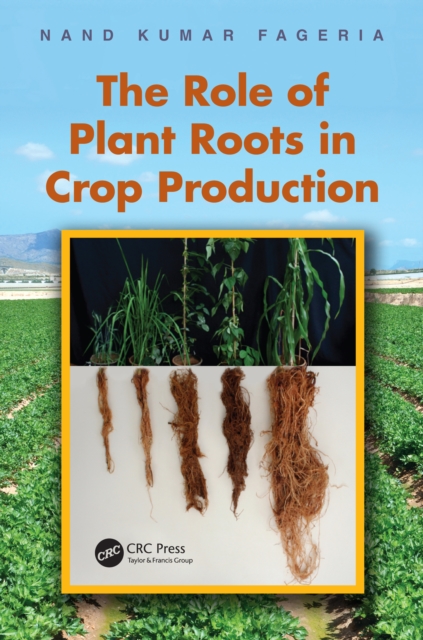
The Role of Plant Roots in Crop Production presents the state of knowledge on environmental factors in root growth and development and their effect on the improvement of the yield of annual crops.
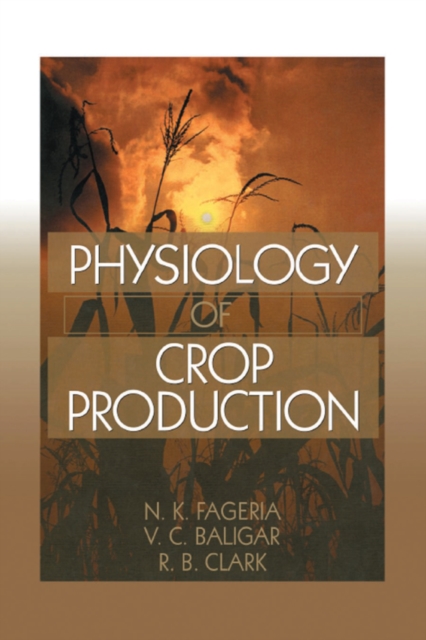
This single volume explores the theoretical and the practical aspects of crop physiological processes around the world The marked decrease over the past century in the land available for crop production has brought about mounting pressure to increase crop yields, especially in developing nations.
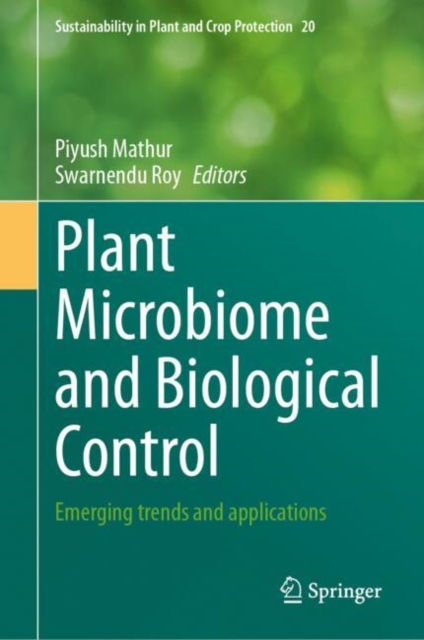
This book offers a comprehensive guide to discovering, assessing, and utilizing consortia of beneficial microbes for crop protection and enhanced crop production in the context of climate change.
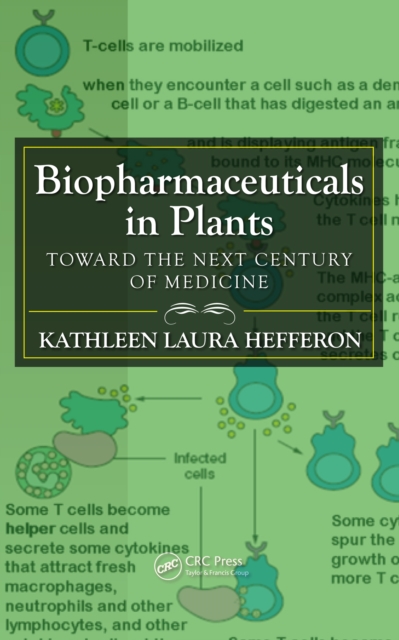
Transgenic plants present enormous potential to become one of the most cost-effective and safe systems for large-scale production of proteins for industrial, pharmaceutical, veterinary, and agricultural uses.
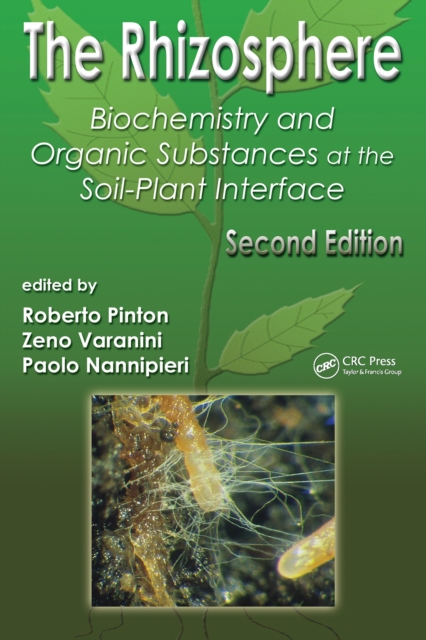
In the rhizosphere, exudates from plants and microorganisms as well as stable soil organic matter influence processes that can control plant growth, microbial infections, and nutrient uptake.
This book offers a comprehensive guide to discovering, assessing, and utilizing consortia of beneficial microbes for crop protection and enhanced crop production in the context of climate change.
An exploration of the relationship between plants and people from early agriculture to modern-day applications of biotechnology in crop production, Plants and People: Origin and Development of Human-Plant Science Relationships covers the development of agricultural sciences from Roman times through the development of agricultural experiment station
To cope with the abiotic stress-induced osmotic problems, plants adapt by either increasing uptake of inorganic ions from the external solution, or by de novo synthesis of organic compatible solutes acting as osmolytes.
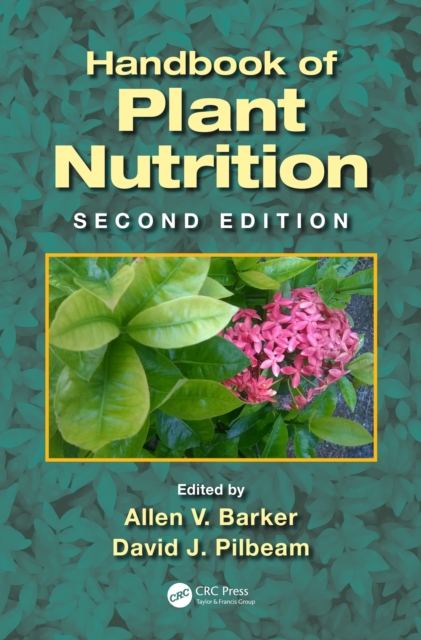
In 2007, the first edition of Handbook of Plant Nutrition presented a compendium of information on the mineral nutrition of plants available at that time-and became a bestseller and trusted resource.
To cope with the abiotic stress-induced osmotic problems, plants adapt by either increasing uptake of inorganic ions from the external solution, or by de novo synthesis of organic compatible solutes acting as osmolytes.
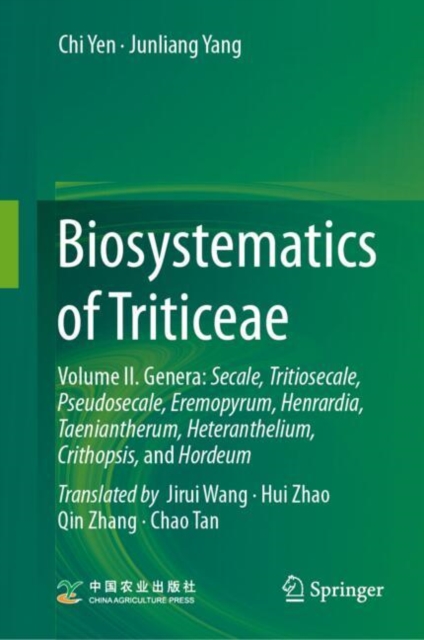
This book discusses the natural classification and biosystematics of Triticeae and presents the most significant findings of comprehensive studies on the Triticeae, an important tribe in the grass family (Poaceae) that includes major crops such as wheat, barley, rye, and triticale, as well as various forage crops found in different genera.
This comprehensive volume examines techniques for studying Phytophthora species, a devastating group of plant pathogens that cause diseases in crops and natural ecosystems worldwide.
This comprehensive volume examines techniques for studying Phytophthora species, a devastating group of plant pathogens that cause diseases in crops and natural ecosystems worldwide.
A benchmark text, Developmental Genetics and Plant Evolution integrates the recent revolution in the molecular-developmental genetics of plants with mainstream evolutionary thought.
Written out of extensive research on vegetable grafting, this book contains current scientific and applied practical knowledge about its various aspects.
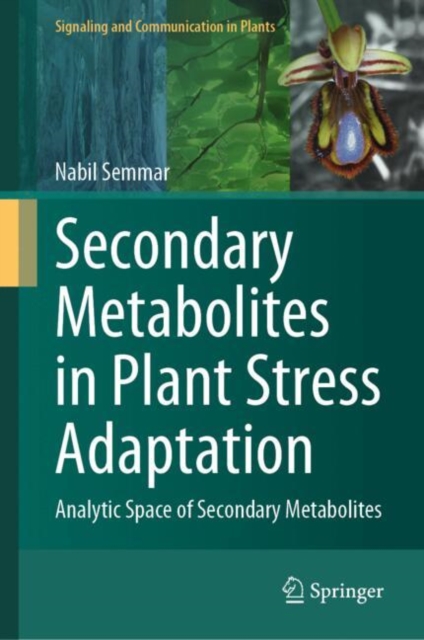
This book covers correlation and combined disciplinary aspects implying the use of secondary metabolites (SMs) of different plant species for control and monitoring of environment states.
This book covers correlation and combined disciplinary aspects implying the use of secondary metabolites (SMs) of different plant species for control and monitoring of environment states.
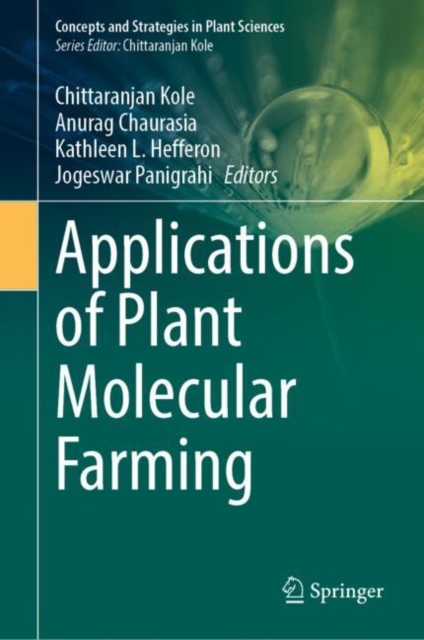
This edited book is a comprehensive compilation of applications of plant molecular farming in various fields including agriculture, industry and medicine, using different plant/crop systems as bioreactors for the bulk production of products of interest.
This edited book is a comprehensive compilation of applications of plant molecular farming in various fields including agriculture, industry and medicine, using different plant/crop systems as bioreactors for the bulk production of products of interest.
Forest is a celebration of the diverse ways in which trees and forests are as magnificent, economically relevant and profoundly enchanting today as they ever have been.
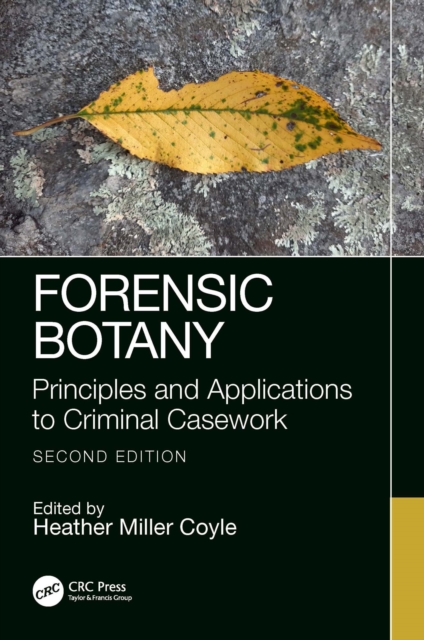
Forensic Botany: Principles and Applications to Criminal Casework, Second Edition updates what, at the time, was the very first book published on the subject.
This detailed volume presents methodologies for studying reactive oxygen species (ROS) metabolism in plant cells, including techniques for detecting different types of ROS such as superoxide radicals, hydrogen peroxide or singlet oxygen, as well as ROS generating systems such as xanthine oxidoreductase.
An essential book for all gardeners who want to give a bit more thought into the way they gardenAdvice on gardening in harmony with natureFrom gardening during drought conditions to the best friendly fungiPlus how to make the perfect compostA thoughtful and practical book on how to garden in harmony with nature.
This detailed volume presents methodologies for studying reactive oxygen species (ROS) metabolism in plant cells, including techniques for detecting different types of ROS such as superoxide radicals, hydrogen peroxide or singlet oxygen, as well as ROS generating systems such as xanthine oxidoreductase.