This book includes papers presented at the 2017 Joint meeting of Fodder Crops and Amenity Grasses Section and Protein Crops Working Group of EUCARPIA-Oil and Protein Crops Section.
It was in late 2002 that the idea of preparing a collection of multi-authored chapters on different aspects of ag- st forestry as a compendium for the 1 World Congress of Agroforestry, June 2004, was tossed around.
Endocytosis is a fundamental cellular process by means of which cells internalize extracellular and plasma membrane cargos for recycling or degradation.
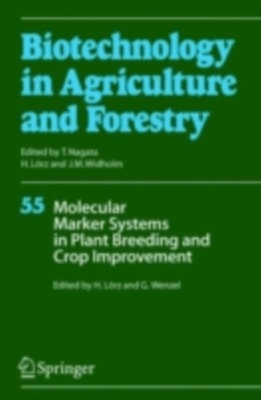
This book serves the teachers, researchers and the students as a handy and concise reference as well as guidebook while designing and planning for use of the advanced technologies for crop improvement.
This book provides a detailed review of many different aspects of pathogens, from the effects of single base pair mutations to large-scale control options, bringing into a single volume over 100 years of findings from thousands of researchers worldwide.
This book covers correlation and combined disciplinary aspects implying the use of secondary metabolites (SMs) of different plant species for control and monitoring of environment states.
This book presents an evolutionary biogeographic analysis of the Mexican Transition Zone, which is situated in the overlap of the Nearctic and Neotropical regions.
With one volume each year, this series keeps scientists and advanced students informed of the latest developments and results in all areas of the plant sciences.
This book reveals the benefits of describing and modeling trees as the combined surface areas of their stems, and provides a concise overview of the fundamental grounds for adopting such an approach.
Using Marxist and Polanyian frameworks, this book examines the structural and discursive transformation that can explain the polarization of migration debates and within the rise of nationalist anti-migrant discourses in Europe with a special attention to Eastern Europe and Hungary.
Plants create a dynamic micro-biosphere in the soil, around the roots, called as 'rhizosphere', which harbors diverse number of microorganisms for sustaining their growth and development.
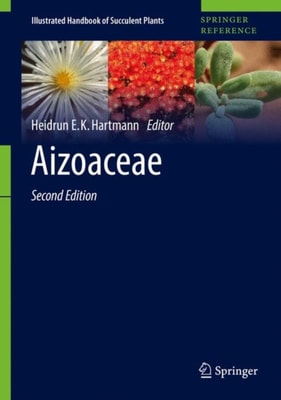
About 15 years after the first edition of the Handbook of Aizoaceae, a wealth of changes can be reported for the family Aizoaceae, and this second edition brings a completely new survey over all taxonomic units from subfamilies down to species and subspecies; each critically examined.
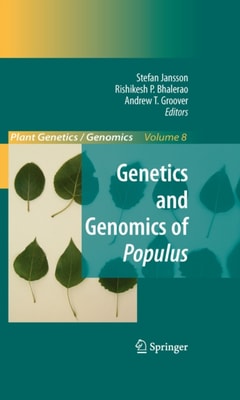
Genetics and Genomics of Populus provides an indepth description of the genetic and genomic tools and approaches for Populus, examines the biology that has been elucidated using genomics, and looks to the future of this unique model plant.
The third volume of Water-in-Plants Bibl iography includes papers in al I fields of plant water relations research which appeared during the year 1977 - from theore- tical considerations about the state of water in cel Is and its membrane transport to drought resistance of plants or physiological significance of irrigation.
This unique book brings together a wealth of data on the botanical, ethno-medicinal and pharmacological aspects of over 500 species of Asian medicinal orchids.
The first part of the book presents the evolution of plants starting from photosynthetic cells to topics like Gymnosperms and Angiosperms, including the evolution of the breeding system.
By combining the analysis of biotic and abiotic components of terrestrial ecosystems, this book synthesizes material on arid and semiarid landscapes, which was previously scattered among various books and journal articles.
This book owes a great deal to the outstanding universal value of the natural heritage of Hubei Shennongjia, which offers an outstanding example of the ongoing ecological processes occurring in the development of intact subtropical mixed broad-leaved evergreen and deciduous forests in the northern hemisphere.
This book focusing on the bitter gourd genome is the first comprehensive compilation of knowledge on the botany, cytogenetical analysis, genetic resources and diversity, traditional breeding, tissue culture and genetic transformation, whole genome sequencing and comparative genomics in the Cucurbitaceae family.
Genetic engineering and biotechnology along with conventional breeding have played an important role in developing superior cultivars by transferring economically important traits from distant, wild and even unrelated species to the cultivated varieties which otherwise could not have been possible with conventional breeding.
Measurements of variable chlorophyll fluorescence have revolutionised global research of photosynthetic bacteria, algae and plants and in turn assessment of the status of aquatic ecosystems, a success that has partly been facilitated by the widespread commercialisation of a suite of chlorophyll fluorometers designed for almost every application in lakes, rivers and oceans.
This book provides exhaustive information on several recent technologies that are employed for sugarcane improvement through biotechnology and will be of great interest to plant scientists, biotechnologists, molecular biologists and breeders who work on sugarcane crop.
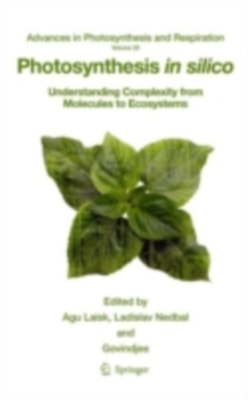
Photosynthesis in silico: Understanding Complexity from Molecules to Ecosystems is a unique book that aims to show an integrated approach to the understanding of photosynthesis processes.
Plant growth and development is closely dependent on the plant environment, including the wide-spread presence of organic and inorganic xenobiotics and pollutants.
Ferns are representative of genetic inheritance of great value as they include species of ancient vascular plants, which have direct connection with the evolution of plant life on Earth.
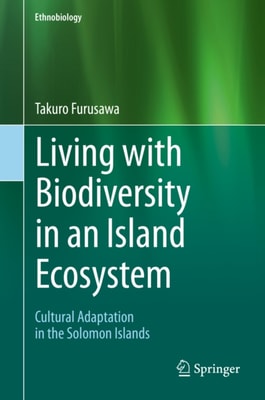
This book presents a detailed case study of ecological and cultural interactions between the people and their natural environment at Roviana Lagoon, Solomon Islands, a land of rich biodiversity.
Boron is one of the essential micronutrients for higher plants growth and development, and more and more studies have been conducted to establish boron as an essential element in animals and humans.
Dieser Buchtitel ist Teil des Digitalisierungsprojekts Springer Book Archives mit Publikationen, die seit den Anfängen des Verlags von 1842 erschienen sind.
This unique book contains not only a comprehensive up-to-date summary of the achievements made in all areas of Nematology in South Africa over more than half a century, but it also combines this rather technical part with an insiders narrative of how Nematology started and developed.
This book covers the theoretical and practical aspects of pest population components, explaining the probable reasons for pest density fluctuations and outbreaks in agricultural or other ecosystems.
This book includes description of main morphological characteristics of 435 species (including varieties and subspecies) belonging to 57 families and 233 genera of endemic and endangered plants of Hulun Buir Rangeland in China.