A presentation of over 700 popular orchid species in 104 genera carefully detailed with beautiful photographs and concise descriptions of plants, their distribution and habitats by a well-known author and photographer.
Dramatic advances in computing power enable simulation of DNA sequences generated by complex microevolutionary scenarios that include mutation, population structure, natural selection, meiotic recombination, demographic change, and explicit spatial geographies.
Global food security is increasingly challenging in light of population increase, the impact of climate change on crop production, and limited land available for agricultural expansion.
This book is the first comprehensive compilation describing the importance of sandalwood in national and international markets, genetic resources, molecular markers, whole genome sequencing, and pathway genes involved in oil biosynthesis, aroma and fragrance.
Advances in Trichoderma Biology for Agricultural Applications covers the beneficial properties of Trichoderma in enhancing global agricultural productivity.
Invasive species have inspired concern for many reasons, including economic and environmental impacts in specific jurisdictions within particular countries.
This edited book presents the latest research on cucumber, its genetic resources and diversity, tissue culture and genetic transformation, mapping of economic genes and QTLs, whole genome sequencing, comparative genomics, and breeding strategies.
Caterpillars are excellent model organisms for understanding how multiple selective forces shape the ecology and evolution of insects, and organisms in general.
Fungi are an essential, fascinating and biotechnologically useful group of organisms with an incredible biotechnological potential for industrial exploitation.
The intended audience of this textbook are plant and animal breeders, upper-level undergraduate and graduate students in biological and agricultural science majors.
This book provides the first diverse and multifaceted textual and cartographic overview of natural curative resources of mineral waters and peloids in Russia.
This book celebrates the dawn of the rye genomics era with concise, comprehensive, and accessible reviews on the current state of rye genomic research, written by experts in the field for students, researchers and growers.
This book will present information on Pantanal vegetation including an updated checklist of flora, useful plants, ecological aspects and some topics never published for this region, such as lichens.
Soybean Seed Composition covers three decades of advances in quantitative trait loci (QTL) mapping of seed protein, oil, fatty acids, amino acids, sugars, mineral nutrients, isoflavones, lunasin, and other beneficial compounds.
Plant improvement has shifted its focus from yield, quality and disease resistance to factors that will enhance commercial export, such as early maturity, shelf life and better processing quality.
Plants, being sessile and autotrophic in nature, must cope with challenging environmental aberrations and therefore have evolved various responsive or defensive mechanisms including stress sensing mechanisms, antioxidant system, signaling pathways, secondary metabolites biosynthesis, and other defensive pathways among which accumulation of osmolytes or osmo-protectants is an important phenomenon.
A presentation of over 700 popular orchid species in 104 genera carefully detailed with beautiful photographs and concise descriptions of plants, their distribution and habitats by a well-known author and photographer.
In the post-genomic era, several plant species have been sequenced and massive genomic information is now available which contributed to expand the development of novel technical strategies for the study of additional levels of biological information of plant species.
Global climate change is bound to create a number of abiotic and biotic stresses in the environment, which would affect the overall growth and productivity of plants.
This book provides an overview of the recent advancements for plant scientists with a research focus on phytohormones and their responses (nature, occurrence, and functions) in plant cells.
The major purpose of this book is to present Johann Gregor Mendel (1822-1884) in a real and interesting way based on the most recent historical research and analysis of authentic sources.
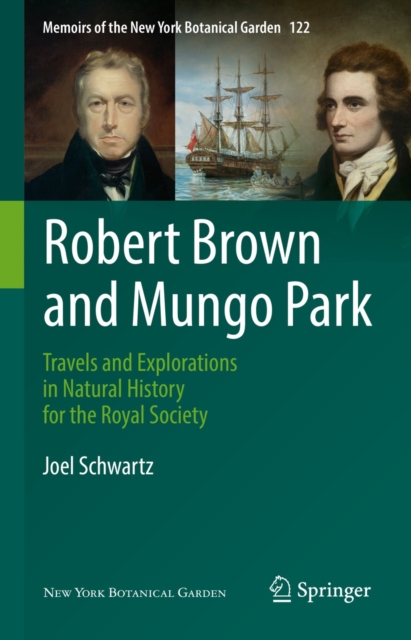
Explorer-naturalists Robert Brown and Mungo Park played a pivotal role in the development of natural history and exploration in the late eighteenth and early nineteenth centuries.
This book focuses on the role of hydrogen sulfide in the protection of plants against abiotic stresses and abiotic stress-induced complications by the way of converging advanced key methods of proteomics, genomics, and metabolomics.
This book presents advanced knowledge and techniques to improve food quality, such as organic farming, fertilization using waste, reducing arsenic in food, soil restoration, forage production in arid regions and weed control.
This book covers information on the economics; botany, taxonomy, and origin; germplasm resources; cytogenetics and nuclear DNA; genetic improvement efforts of scion cultivars; genetic and genomic improvement efforts of rootstocks; genetic and physical mapping; genomic resources; genome and epigenome; regulatory sequences; utility of whole-genome sequencing and gene editing in trait dissection; flowering and juvenility; cold hardiness and dormancy; fruit color development; fruit acidity and sugar content; metabolomics; biology and genomics of the microbiome; apple domestication; as well as other 'omics' opportunities and challenges for genetic improvement of the apple.
Forests cover thirty-one percent of the world's land surface, provide habitats for animals, livelihoods for humans, and generate household income in rural areas of developing countries.
With almost 90% of terrestrial plant material entering the detrital pool, the processing of this significant carbon source is a critical ecosystem function to understand.