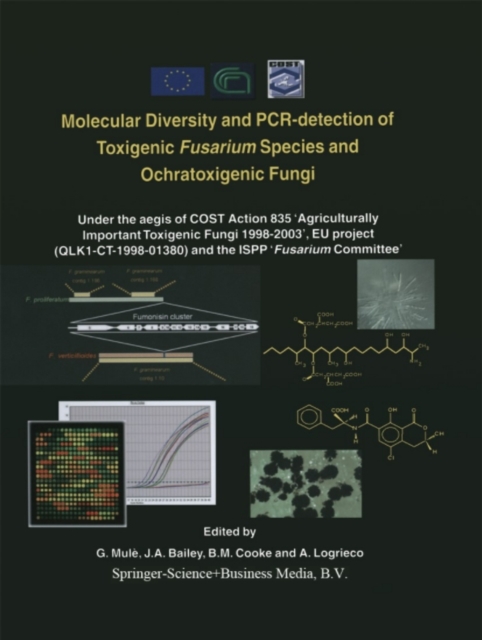
Toxigenic Fusarium species and ochratoxigenic fungi are responsible for various plant diseases which have important consequential effects on both human and animal health worldwide.
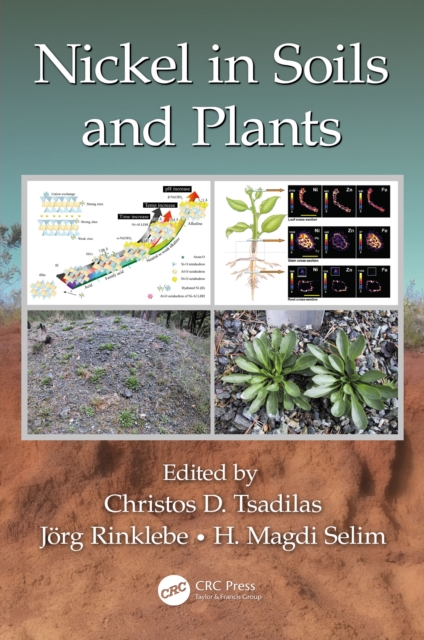
Plant geographical description of the area, syntaxonomy, spatial patterns, floristic richness, structure of plant communities in relation to soil properties and herbivore influence were described for a mountain region that is difficult to access.
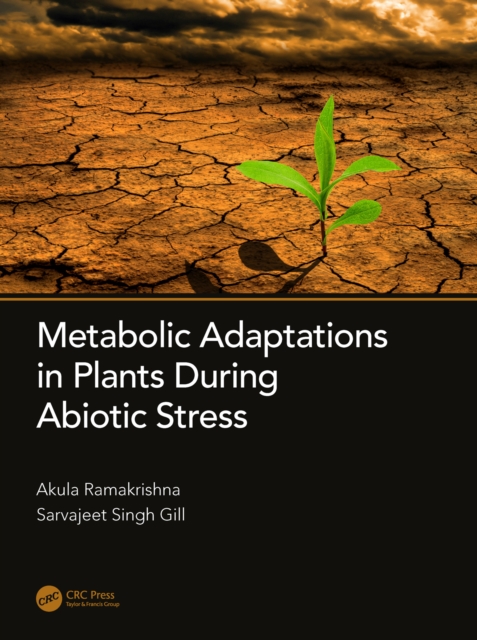
Key features:Serves as a cutting-edge resource for researchers and students who are studying plant abiotic stress tolerance and crop improvement through metabolic adaptationsPresents the latest trends and developments in the field of metabolic engineering and abiotic stress toleranceAddresses the adaptation of plants to climatic changesGives special attention to emerging topics such as the role of secondary metabolites, small RNA mediated regulation and signaling molecule responses to stressesProvides extensive references that serve as entry points for further researchMetabolic Adaptations in Plants during Abiotic Stress covers a topic of past, present and future interest for both scientists and policy makers as the global challenge of climate change is addressed.
Key features:Serves as a cutting-edge resource for researchers and students who are studying plant abiotic stress tolerance and crop improvement through metabolic adaptationsPresents the latest trends and developments in the field of metabolic engineering and abiotic stress toleranceAddresses the adaptation of plants to climatic changesGives special attention to emerging topics such as the role of secondary metabolites, small RNA mediated regulation and signaling molecule responses to stressesProvides extensive references that serve as entry points for further researchMetabolic Adaptations in Plants during Abiotic Stress covers a topic of past, present and future interest for both scientists and policy makers as the global challenge of climate change is addressed.
Phytoremediation aids to augment bioremediation as it uses broad range plants to remediate soil, sediment, surface water and ground water that have been contaminated with toxic metals, organic, pesticides and radionuclides.
Phytoremediation aids to augment bioremediation as it uses broad range plants to remediate soil, sediment, surface water and ground water that have been contaminated with toxic metals, organic, pesticides and radionuclides.
Mathematical Models of Plant-Herbivore Interactions addresses mathematical models in the study of practical questions in ecology, particularly factors that affect herbivory, including plant defense, herbivore natural enemies, and adaptive herbivory, as well as the effects of these on plant community dynamics.
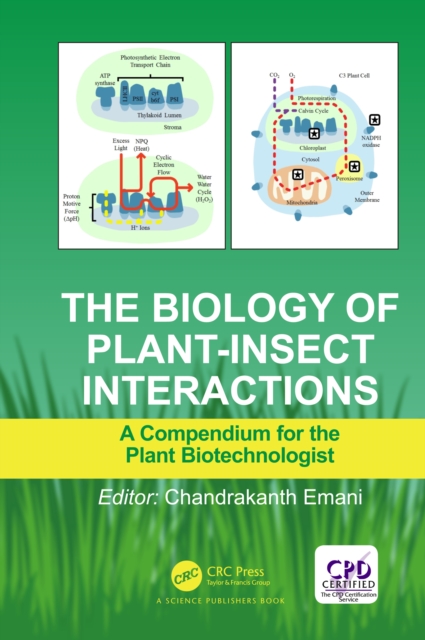
Overviews of biochemical, genetic, and molecular perspectives of plant-insect interactions with added emphasis on bioinformatic, genomic, and transcriptome analysis are comprehensively treated in this book.
This summary of what is known about microclimatic environments and the effects of climate on plant growth presents a comprehensive statement on the complex relationship between climate and agriculture.
This summary of what is known about microclimatic environments and the effects of climate on plant growth presents a comprehensive statement on the complex relationship between climate and agriculture.
Alternating between topic discussions and hands-on laboratory experiments that range from the in vitro flowering of roses to tissue culture of ferns, Plant Tissue Culture Concepts and Laboratory Exercises, Second Edition, addresses the most current principles and methods in plant tissue culture research.
Alternating between topic discussions and hands-on laboratory experiments that range from the in vitro flowering of roses to tissue culture of ferns, Plant Tissue Culture Concepts and Laboratory Exercises, Second Edition, addresses the most current principles and methods in plant tissue culture research.
This is the first truly modern book solely devoted to seed reproduction of forest trees-from flowering to establishment, with emphasis on the interaction of environment with physiological processes.
This is the first truly modern book solely devoted to seed reproduction of forest trees-from flowering to establishment, with emphasis on the interaction of environment with physiological processes.
Plant Pathology explores the topic of plant pathology and aligns classic studies and knowledge in the topic with the current state of research, in an accessible format.
Plant Pathology explores the topic of plant pathology and aligns classic studies and knowledge in the topic with the current state of research, in an accessible format.
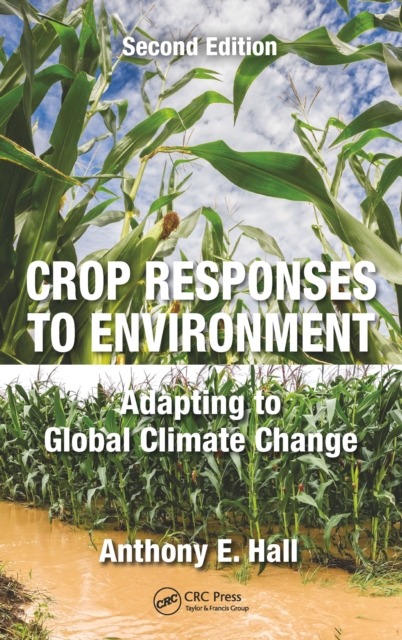
Following in the tradition of its predecessor, Crop Responses to Environment, this fully updated and more comprehensive second edition describes aspects of crop responses to environment that are particularly relevant to the development of improved crop cultivars and management methods on a global scale.
Following in the tradition of its predecessor, Crop Responses to Environment, this fully updated and more comprehensive second edition describes aspects of crop responses to environment that are particularly relevant to the development of improved crop cultivars and management methods on a global scale.
Key features:Presents the latest trends and developments of neuromediators in plantsProvides in-depth coverage of plants enriched in neurotransmitters (especially serotonin, melatonin, and dopamine) and how they are used in medicine, pharmacy, and food nutritionDiscusses the physiological role of the neurotransmitters (biomediators) in non-nervous systems including the analysis of effects on the growth and development and stress defenseCovers the occurrence of the substances that act in human and animal nervous system in plants as a phenomenon of the universal irritability feature for biologistsReveals the occurrence and possible physiological functions of biogenic amines in plants, food, and human healthNew scientific data confirm the origin of neurotransmitters in the ancient ocean, whose inhabitants use the compounds in their relationships.
Key features:Presents the latest trends and developments of neuromediators in plantsProvides in-depth coverage of plants enriched in neurotransmitters (especially serotonin, melatonin, and dopamine) and how they are used in medicine, pharmacy, and food nutritionDiscusses the physiological role of the neurotransmitters (biomediators) in non-nervous systems including the analysis of effects on the growth and development and stress defenseCovers the occurrence of the substances that act in human and animal nervous system in plants as a phenomenon of the universal irritability feature for biologistsReveals the occurrence and possible physiological functions of biogenic amines in plants, food, and human healthNew scientific data confirm the origin of neurotransmitters in the ancient ocean, whose inhabitants use the compounds in their relationships.
This landmark collective work introduces the physical, chemical, and biological principles underlying photosynthesis: light absorption, excitation energy transfer, and charge separation.
The aim of this volume is to provide a compendium of state of the art overview chapters by leading research, from diverse scientific fields, who share a common involvement in understanding and utilizing the interactions between chemicals and plant leaves.
This texts discusses DNA replication in plants including chapters on; functional chromosomal structure, the biochemistry of DNA replication, Control of DNA replication, Replication of plant organelle DNA, replication of DNA viruses in plants, and DNA damage, repair, and mutagenesis.