The persistence of higher night-time temperatures (HNT) over long periods during the crop cycle can potentially impact a wide range of growth and developmental stages.
An exploration of the relationship between plants and people from early agriculture to modern-day applications of biotechnology in crop production, Plants and People: Origin and Development of Human-Plant Science Relationships covers the development of agricultural sciences from Roman times through the development of agricultural experiment station
Provides a comprehensive overview of the key concepts in biodiversity management within agricultural landscapes Considers the role of farmers and rural communities in implementing ecological restoration practices Reviews the importance of habitat and animal rewilding in promoting biodiversity and other key ecosystem services
Acting as titans in global control of the biosphere and colonizing virtually all corners of the earth, algae, extremely diverse and numerous oxygenic, photosynthetic organisms, can be major players in and drivers of environmental change.
Using theory, applications, and examples of inferences, Niche Modeling: Predictions from Statistical Distributions demonstrates how to conduct and evaluate niche modeling projects in any area of application.
Agroecosystems in a Changing Climate considers the consequences of changes in the atmosphere and climate on the integrity, stability, and productivity of agroecosystems.
Sustainable Development Goals (SDGs) are goals set by the United Nations to address the global challenges and foster sustainable development and harmony.
Discover the fascinating world of trees with this comprehensive tree identification guide book, combining practical dendrology knowledge with professional tree care techniques.
Thorough and detailed, The Carbon Footprint Handbook encompasses all areas of carbon footprint, including the scientific elements, methodological and technological aspects, standards, industrial case studies, and communication of carbon footprint results.
Many of the natural products have been isolated and characterized from the actinobacteria, for example polyketides, phenazines, peptides, indolocarbarbazoles, and sterols.
During the 1936 Olympics in Berlin, Germany, United States basketball player Joe Fortenberry leaped into the air and stuffed the ball through the hoop.
Ecological Strategies of Xylem Evolution provides an in-depth exploration of xylem adaptations across various plant species, examining the ecological and physiological factors that drive structural differences within vascular plants.
This book offers an in-depth examination of wetland ecosystems, delving into their intricacies from three critical perspectives-limnological, bio-geochemical, and economic.
Understand sustainable development from economic, ecological, and social perspectivesAs world population continues to increase, the need grows for a safe, sustainable supply of food.
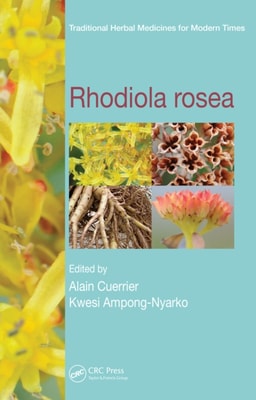
The genus Rhodiola (Family Crassulaceae) is indigenous to Northern Canada, Europe and Asia where its rhizomes and roots have been used for centuries for medicinal purposes.
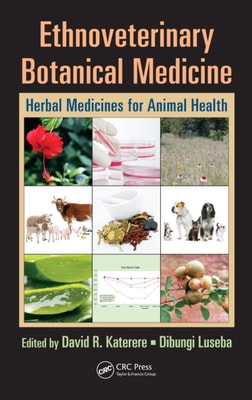
Despite the undoubted success of a scientific approach to pharmaceuticals, the last few decades have witnessed a spectacular rise in interest in herbal medicinal products.
Designed Forests: A Cultural History explores the unique kinship that exists between forests and spatial design; the forest's influence on architectural culture and practice; and the potentials and pitfalls of "e;forest thinking"e; for more sustainable and ethical ways of doing architecture today.
With the help of this guide, you can use obtained test results to evaluate the fertility status of soils and the nutrient element status of plants for crop production purposes.
This second edition focuses on Tropical Dry Forests (TDF) in the Americas and provides a comprehensive overview of new studies conducted in the last decade, giving new insights into the most endangered ecosystem in the tropics.
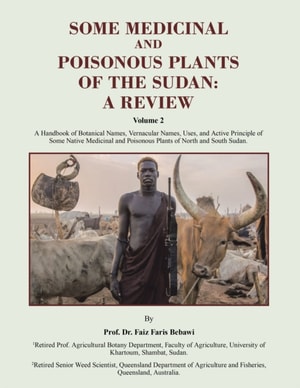
The main points of writing this book is to present to the reader that there is hope in life provided by native plants which were created before man was created in the garden of Eden according to biblical evidence.