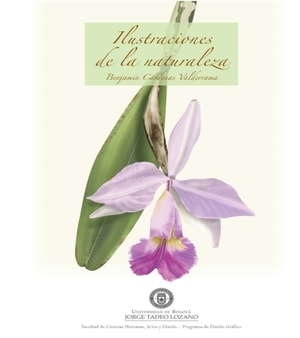
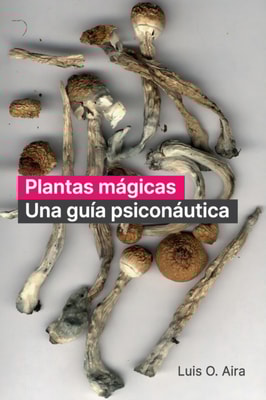
La Expedición Botánica y el Bicentenario de la Independencia de Colombia son eventos que marcan un momento histórico trascendental y permanecen ligados hasta hoy día.
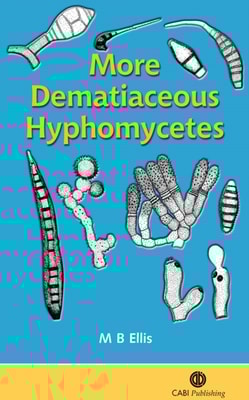
Following on from the successful volume Dematiaceous Hyphomycetes comes More Dematiaceous Hyphomycetes - once again delving into the biology, pathology and control of Dematiaceous Hyphomycetes.
Explores Worldwide Trends Involving the Production and Use of BiofuelsWith the depletion of oil resources as well as the negative environmental impact of fossil fuels, there is much interest in alternative energy sources.
Plant Growth Regulators to Manage Biotic and Abiotic Stress in Agroecosystems is a comprehensive book that explores the use of plant growth regulators (PGRs) as effective stress-reduction techniques in agricultural environments.
From the acclaimed author of Honeybee Democracy, a classic account of the ecological factors that shape the social lives of honeybeesFor many years, research on honeybee social life dealt primarily with the physiological processes underlying the social system of the bee rather than the ecological factors that have shaped its societies.
Prepared at the Royal Botanic Gardens, Kew, in close collaboration with the East African Herbarium and in liaison with the University of Dar es Salaam, the University of Nairobi and the Makerere University, this series is designed to the highest academic standards and is a useful reference for anyone concerned with the identification and utilizatio
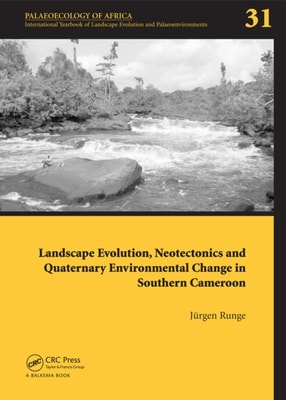
Founded in 1966, the internationally recognized and acclaimed SeriesPalaeoecology of Africa publishes interdisciplinary scientific papers on landscape evolution and on former environments of the African continent.
Fungal Cell Wall: Structure, Synthesis, and Assembly, Second Edition is a compendium of information on the chemical structure, synthesis, and organization of the cell wall of fungi.
This book provides a multidisciplinary coverage of all manifestations of antimicrobials and antimicrobial resistance technology to promote eco-friendly processes and techniques for environmental sustainability.
Following on from the successful volume Dematiaceous Hyphomycetes comes More Dematiaceous Hyphomycetes - once again delving into the biology, pathology and control of Dematiaceous Hyphomycetes.
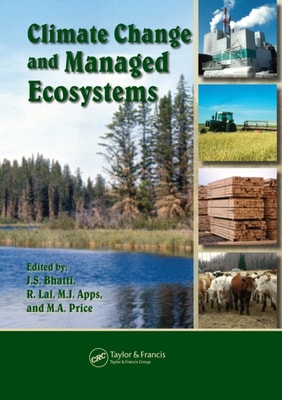
The effects of climate change can already be felt around the world, and they will likely impact all facets of human civilization-from health, livelihood security, agricultural production, and shelter to international trade.
Providing a comprehensive and contemporary overview of the status of this particular genus, this book will be of interest to all those concerned with the study and uses of spices, medicinal and aromatic plants.
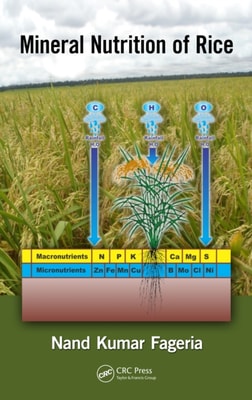
In 2007, the first edition of Handbook of Plant Nutrition presented a compendium of information on the mineral nutrition of plants available at that time-and became a bestseller and trusted resource.
Anemones and fish, ants and acacia trees, fungus and trees, buffaloes and oxpeckers--each of these unlikely duos is an inimitable partnership in which the species' coexistence is mutually beneficial.
Genetic Diversity of Fruits and Nuts: Sustainable Utilization presents an account of the diversity and possible exploitation of such variability in the improvement of varied fruits and nuts of the world.
Featuring contributions from leading experts in the field, Climate Change and Managed Ecosystems examines the effects of global climate change on intensively constructed or reconstructed ecosystems, focusing on land use changes in relation to forestry, agriculture, and wetlands including peatlands.
The persistence of higher night-time temperatures (HNT) over long periods during the crop cycle can potentially impact a wide range of growth and developmental stages.
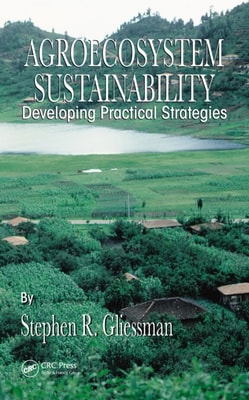
Agroecologists from around the world share their experiences in the analysis and development of indicators of agricultural sustainability in Agroecosystem Sustainability: Developing Practical Strategies.
Challenges and Solutions of Climate Impact on Agriculture explores issues arising from the changing climate for agricultural plants, with a soil-focused approach.