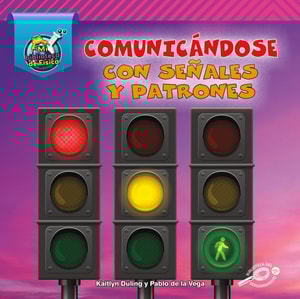
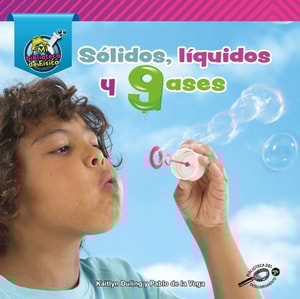
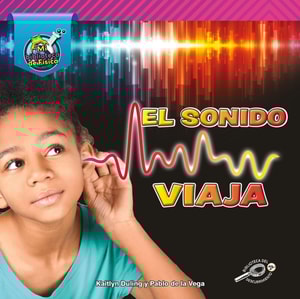
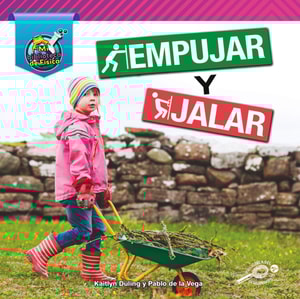
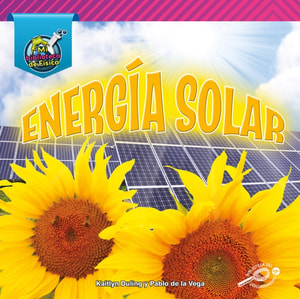
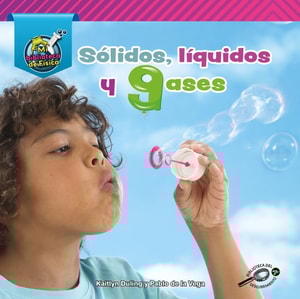
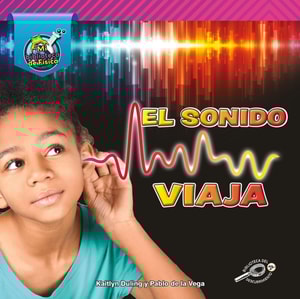
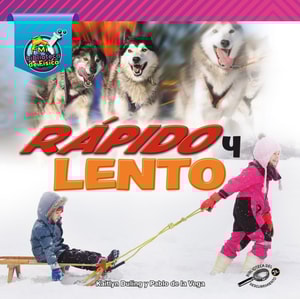
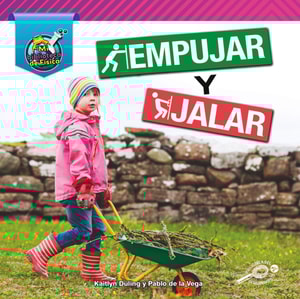
Book Features:* Ages 4-8, Grades PreK-2* 16 pages, 8 inches x 8 inches* Simple, patterned Spanish text with full-color pictures* Includes comprehension questions, writing prompts, and high frequency words* Graphic organizers and photo glossary includedBring Learning to Life: In Listos para las Ciencias: !
Book Features:* Ages 4-8, Grades PreK-2* 16 pages, 8 inches x 8 inches* Simple, patterned Spanish text with full-color pictures* Includes comprehension questions, writing prompts, and high frequency words* Graphic organizers and photo glossary includedBring Learning to Life: In Listos para las Ciencias: !
Book Features:* 32 Pages, 7 inches x 9 inches* Ages 8-13, Grades 3-8 Leveled Readers, Lexile 500L* Simple, easy-to-read pages with vibrant images* Features exciting facts about mammals to engage early readers* Includes glossary words, after-reading questions, an extension activity, and a memory gameThe Magic Of Reading: Introduce your child to the magic of reading and animals with Dangerous.
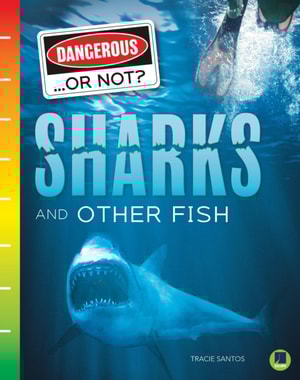
Book Features:* 32 Pages, 7 Inches x 9 Inches* Ages 8-13, Grades 3-8 Leveled Readers, Lexile 520L* Simple, easy-to-read pages with vibrant images* Features exciting facts about fish to engage early readers* Includes glossary words, after-reading questions, an extension activity, and a memory gameThe Magic Of Reading: Introduce your child to the magic of reading and animals with Dangerous.
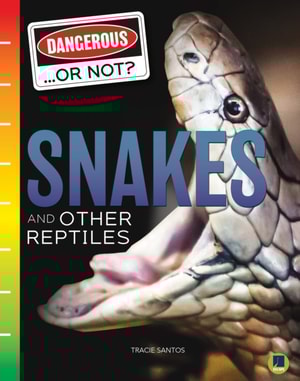
Book Features:* 32 Pages, 7 inches x 9 inches* Ages 8-13, Grades 3-8 Leveled Readers, Lexile 520L* Simple, easy-to-read pages with vibrant images* Features exciting facts about reptiles to engage early readers* Includes glossary words, after-reading questions, an extension activity, and a memory gameThe Magic Of Reading: Introduce your child to the magic of reading and animals with Dangerous.
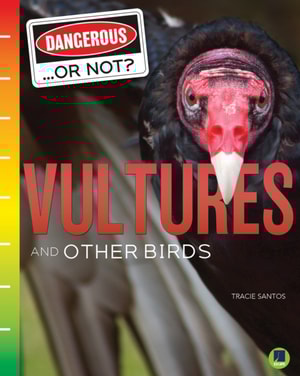
Book Features:* 32 Pages, 7 inches x 9 inches* Ages 8-13, Grades 3-8 Leveled Readers, Lexile 520L* Simple, easy-to-read pages with vibrant images* Features exciting facts about birds to engage early readers* Includes glossary words, after-reading questions, an extension activity, and a memory gameThe Magic Of Reading: Introduce your child to the magic of reading and animals with Dangerous.
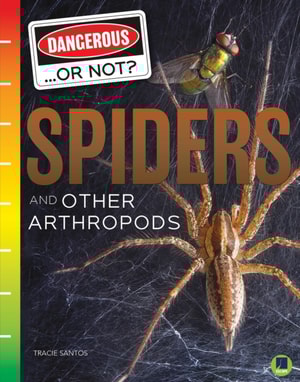
SPIDERS AND OTHER ARTHROPODS: Elementary- to middle-school readers will explore amazing facts about arthropods in this 32-page nonfiction science book, which takes children on a journey with some of the most exciting (and dangerous?
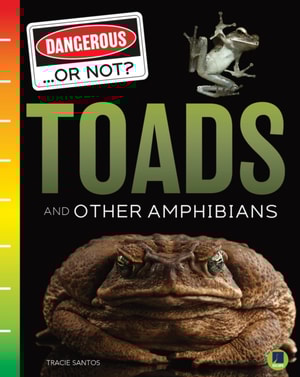
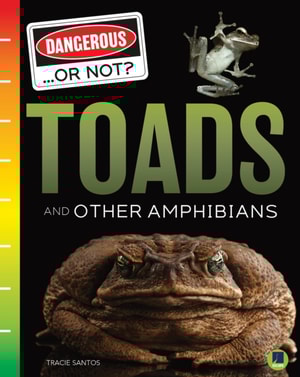
Book Features:* 32 Pages, 7 inches x 9 inches* Ages 8-13, Grades 3-8 Leveled Readers, Lexile 530L* Simple, easy-to-read pages with vibrant images* Features exciting facts about amphibians to engage early readers* Includes glossary words, after-reading questions, an extension activity, and a memory gameThe Magic Of Reading: Introduce your child to the magic of reading and animals with Dangerous.
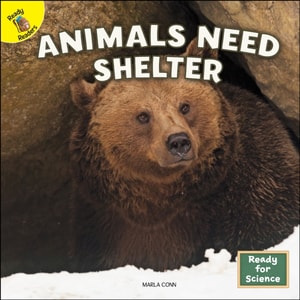
Book Features:* Ages 4-7, PreK-Grade 2, Guided Reading Level B, Lexile 100L* 16 pages, 8 inches x 8 inches* Vibrant, full-color photographs* Includes a photo glossary, high-frequency vocabulary list, and review activity* Reading/teaching tips includedReady For Science: In Animals Need Shelter, preschoolers-second graders explore where some of their favorite animals live!
Book Features:* Ages 4-7, PreK-Grade 2, Guided Reading Level B, Lexile 120L* 16 pages, 8 inches x 8 inches* Vibrant, full-color photographs* Includes a photo glossary, high-frequency vocabulary list, and review activity* Reading/teaching tips includedReady For Science: In Animals Need Food, preschoolers through second graders discover and explore the eating habits of some of their favorite animals!
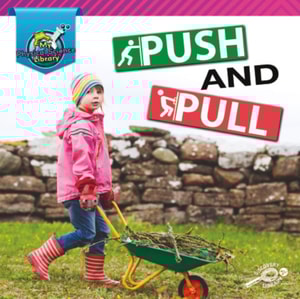
Book Features:* Ages 4-7, PreK-Grade 2, Guided Reading Level B, Lexile 50L* 16 pages, 8 inches x 8 inches* Vibrant, full-color photographs* Includes a photo glossary, high-frequency vocabulary list, and review activity* Reading/teaching tips includedReady For Science: In Make it Move, preschoolers through second graders are introduced to basic yet fascinating physics concepts of motion and force!
Book Features:* 32 Pages, 7 inches x 9 inches* Ages 8-13, Grades 3-8 Leveled Readers, Lexile 530L* Simple, easy-to-read pages with vibrant images* Features exciting facts about amphibians to engage early readers* Includes glossary words, after-reading questions, an extension activity, and a memory gameThe Magic Of Reading: Introduce your child to the magic of reading and animals with Dangerous.
SPIDERS AND OTHER ARTHROPODS: Elementary- to middle-school readers will explore amazing facts about arthropods in this 32-page nonfiction science book, which takes children on a journey with some of the most exciting (and dangerous?
Book Features:* 32 Pages, 7 inches x 9 inches* Ages 8-13, Grades 3-8 Leveled Readers, Lexile 520L* Simple, easy-to-read pages with vibrant images* Features exciting facts about birds to engage early readers* Includes glossary words, after-reading questions, an extension activity, and a memory gameThe Magic Of Reading: Introduce your child to the magic of reading and animals with Dangerous.
Book Features:* 32 Pages, 7 inches x 9 inches* Ages 8-13, Grades 3-8 Leveled Readers, Lexile 520L* Simple, easy-to-read pages with vibrant images* Features exciting facts about reptiles to engage early readers* Includes glossary words, after-reading questions, an extension activity, and a memory gameThe Magic Of Reading: Introduce your child to the magic of reading and animals with Dangerous.
Book Features:* 32 Pages, 7 Inches x 9 Inches* Ages 8-13, Grades 3-8 Leveled Readers, Lexile 520L* Simple, easy-to-read pages with vibrant images* Features exciting facts about fish to engage early readers* Includes glossary words, after-reading questions, an extension activity, and a memory gameThe Magic Of Reading: Introduce your child to the magic of reading and animals with Dangerous.
Book Features:* 32 Pages, 7 inches x 9 inches* Ages 8-13, Grades 3-8 Leveled Readers, Lexile 500L* Simple, easy-to-read pages with vibrant images* Features exciting facts about mammals to engage early readers* Includes glossary words, after-reading questions, an extension activity, and a memory gameThe Magic Of Reading: Introduce your child to the magic of reading and animals with Dangerous.
Book Features:* Ages 4-7, PreK-Grade 2, Guided Reading Level B, Lexile 100L* 16 pages, 8 inches x 8 inches* Vibrant, full-color photographs* Includes a photo glossary, high-frequency vocabulary list, and review activity* Reading/teaching tips includedReady For Science: In Animals Need Shelter, preschoolers-second graders explore where some of their favorite animals live!
Book Features:* Ages 4-7, PreK-Grade 2, Guided Reading Level B, Lexile 120L* 16 pages, 8 inches x 8 inches* Vibrant, full-color photographs* Includes a photo glossary, high-frequency vocabulary list, and review activity* Reading/teaching tips includedReady For Science: In Animals Need Food, preschoolers through second graders discover and explore the eating habits of some of their favorite animals!
Book Features:* Ages 4-7, PreK-Grade 2, Guided Reading Level B, Lexile 50L* 16 pages, 8 inches x 8 inches* Vibrant, full-color photographs* Includes a photo glossary, high-frequency vocabulary list, and review activity* Reading/teaching tips includedReady For Science: In Make it Move, preschoolers through second graders are introduced to basic yet fascinating physics concepts of motion and force!
Ready for Science series, Emergent Reader, non fiction narrative, strong picture support, Text features: Picture glossary, labels, Comprehension strategies: Identify main idea and details, ask and answer questions, and make text to self and text to world connections.
Ready for Science series, Emergent Reader, non fiction narrative, strong picture support, Text features: Picture glossary, labels, Comprehension strategies: Identify main idea and details, ask and answer questions, and make text to self and text to world connections.
Ready for Science series, Emergent Reader, non fiction narrative, strong picture support, Text features: Picture glossary, labels, Comprehension strategies: Identify main idea and details, ask and answer questions, and make text to self and text to world connections.
Ready for Science series, Emergent Reader, non fiction narrative, strong picture support, Text features: Picture glossary, labels, Comprehension strategies: Identify main idea and details, ask and answer questions, and make text to self and text to world connections.
Ready for Science series, Emergent Reader, non fiction narrative, strong picture support, Text features: Picture glossary, labels, Comprehension strategies: Identify main idea and details, ask and answer questions, and make text to self and text to world connections.
Ready for Science series, Emergent Reader, non fiction narrative, strong picture support, Text features: Picture glossary, labels, Comprehension strategies: Identify main idea and details, ask and answer questions, and make text to self and text to world connections.
Ready for Science series, Emergent Reader, non fiction narrative, strong picture support, Text features: Picture glossary, labels, Comprehension strategies: Identify main idea and details, ask and answer questions, and make text to self and text to world connections.
Ready for Science series, Emergent Reader, non fiction narrative, strong picture support, Text features: Picture glossary, labels, Comprehension strategies: Identify main idea and details, ask and answer questions, and make text to self and text to world connections.
Ready for Science series, Emergent Reader, non fiction narrative, strong picture support, Text features: Picture glossary, labels, Comprehension strategies: Identify main idea and details, ask and answer questions, and make text to self and text to world connections.
Ready for Science series, Emergent Reader, non fiction narrative, strong picture support, Text features: Picture glossary, labels, Comprehension strategies: Identify main idea and details, ask and answer questions, and make text to self and text to world connections.