Medical Imaging Informatics provides an overview of this growing discipline, which stems from an intersection of biomedical informatics, medical imaging, computer science and medicine.
The papers in this volume comprise the refereed proceedings of the Second IFIP International Conference on Computer and Computing Technologies in Agriculture (CCTA2008), in Beijing, China, 2008.
The papers in this volume comprise the refereed proceedings of the Second IFIP International Conference on Computer and Computing Technologies in Agriculture (CCTA2008), in Beijing, China, 2008.
The papers in this volume comprise the refereed proceedings of the Second IFIP International Conference on Computer and Computing Technologies in Agriculture (CCTA2008), in Beijing, China, 2008.
This book provides an introduction to two important aspects of modern bioch- istry, molecular biology, and biophysics: computer simulation and data analysis.
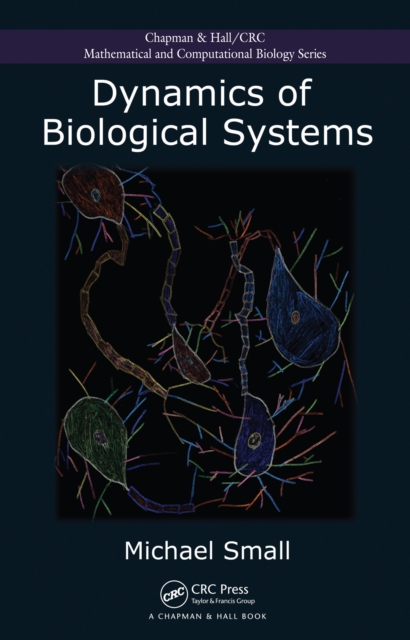
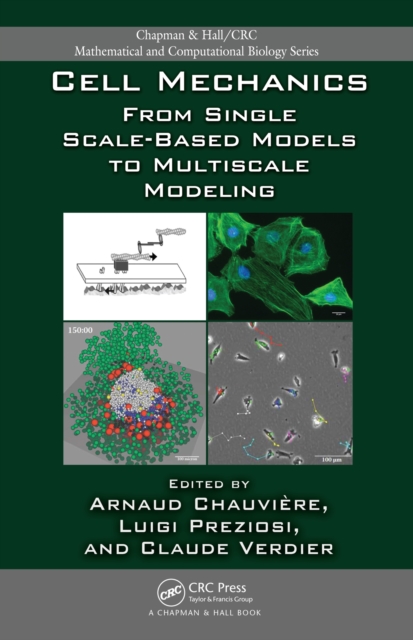
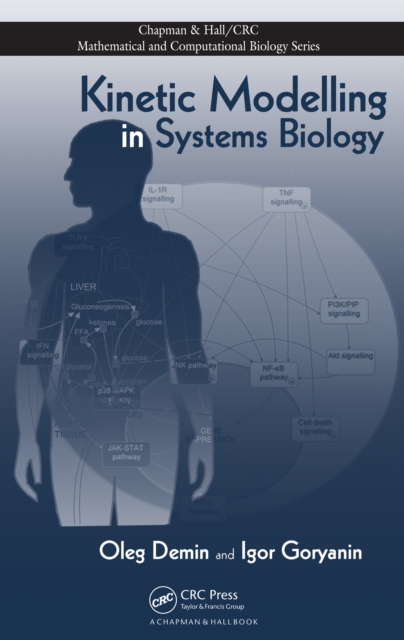
From the spontaneous rapid firing of cortical neurons to the spatial diffusion of disease epidemics, biological systems exhibit rich dynamic behaviour over a vast range of time and space scales.
The availability of molecular imaging and measurement systems enables today's biologists to swiftly monitor thousands of genes involved in a host of diseases, a critical factor in specialized drug development.
Take Control of Your Data and Use Python with ConfidenceRequiring no prior programming experience, Managing Your Biological Data with Python empowers biologists and other life scientists to work with biological data on their own using the Python language.
New sequencing technologies have broken many experimental barriers to genome scale sequencing, leading to the extraction of huge quantities of sequence data.
The soybean is an economically important leguminous seed crop for feed and food products that is rich in seed protein (about 40 percent) and oil (about 20 percent); it enriches the soil by fixing nitrogen in symbiosis with bacteria.
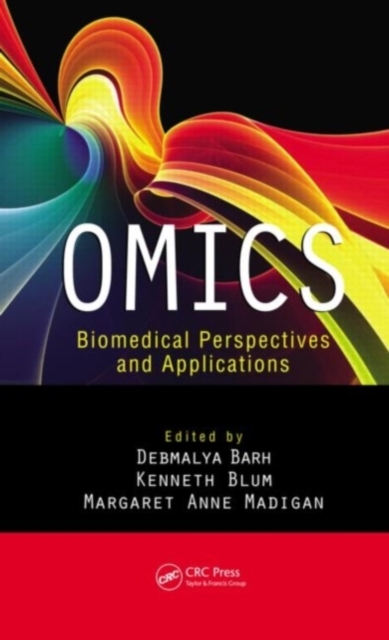
A reflection of the explosion of research and development in this field, OMICS: Biomedical Perspectives and Applications explores applications of omics in bioinformatics, cancer research and therapy, diabetes research, plant science, molecular biology, and neurosciences.
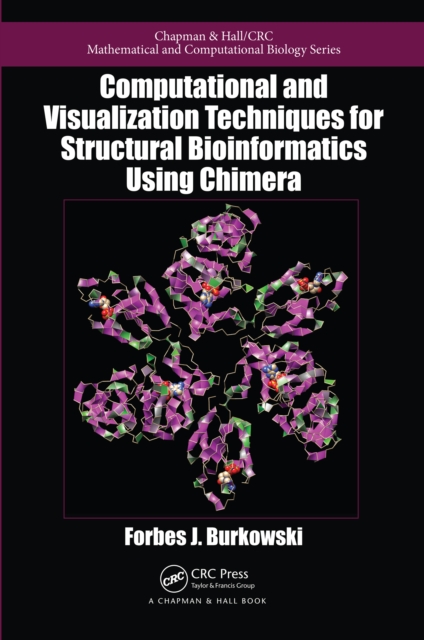
A Step-by-Step Guide to Describing Biomolecular StructureComputational and Visualization Techniques for Structural Bioinformatics Using Chimera shows how to perform computations with Python scripts in the Chimera environment.
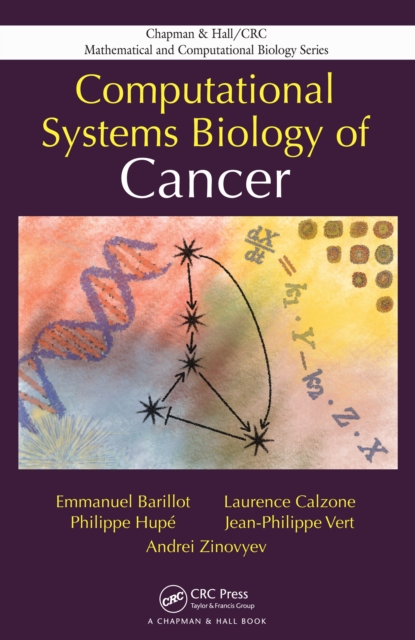
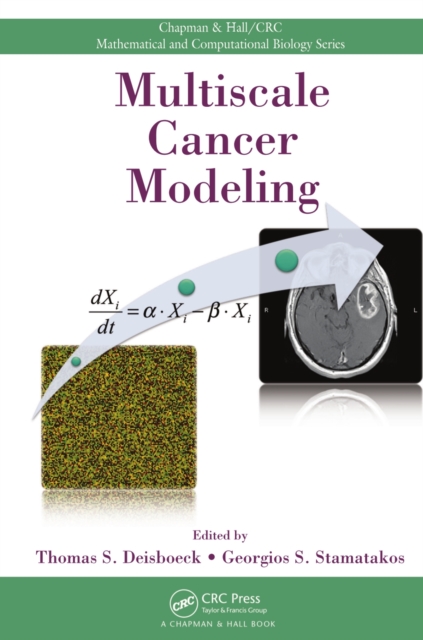
The future of cancer research and the development of new therapeutic strategies rely on our ability to convert biological and clinical questions into mathematical models-integrating our knowledge of tumour progression mechanisms with the tsunami of information brought by high-throughput technologies such as microarrays and next-generation sequencin
Rapid advancements in the application of soft computing tools and techniques have proven valuable in the development of highly scalable systems and resulted in brilliant applications, including those in biometric identification, interactive voice response systems, and data mining.
Richly illustrated in color, Statistics and Data Analysis for Microarrays Using R and Bioconductor, Second Edition provides a clear and rigorous description of powerful analysis techniques and algorithms for mining and interpreting biological information.
With a DVD of color figures, Clustering in Bioinformatics and Drug Discovery provides an expert guide on extracting the most pertinent information from pharmaceutical and biomedical data.
New sequencing technologies have broken many experimental barriers to genome scale sequencing, leading to the extraction of huge quantities of sequence data.
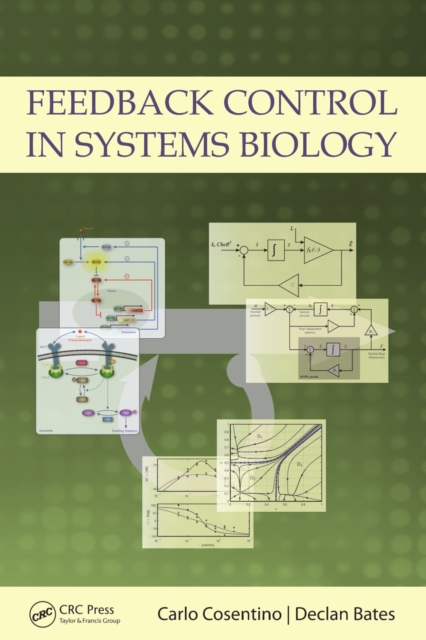
Like engineering systems, biological systems must also operate effectively in the presence of internal and external uncertainty-such as genetic mutations or temperature changes, for example.
To harness the high-throughput potential of DNA microarray technology, it is crucial that the analysis stages of the process are decoupled from the requirements of operator assistance.
The First Book to Describe the Technical and Practical Elements of Chemical Text MiningExplores the development of chemical structure extraction capabilities and how to incorporate these technologies in daily research workFor scientific researchers, finding too much information on a subject, not finding enough information, or not being able&nb
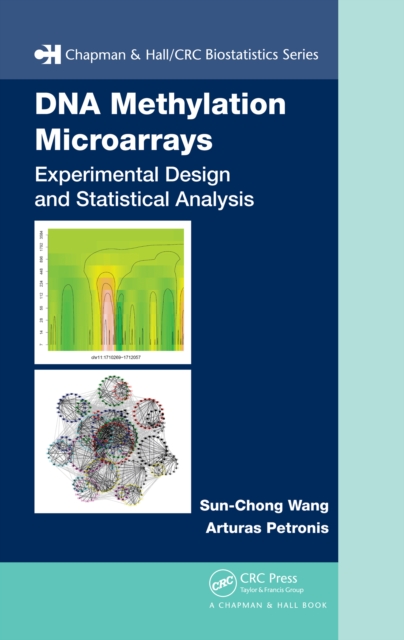
Providing an interface between dry-bench bioinformaticians and wet-lab biologists, DNA Methylation Microarrays: Experimental Design and Statistical Analysis presents the statistical methods and tools to analyze high-throughput epigenomic data, in particular, DNA methylation microarray data.
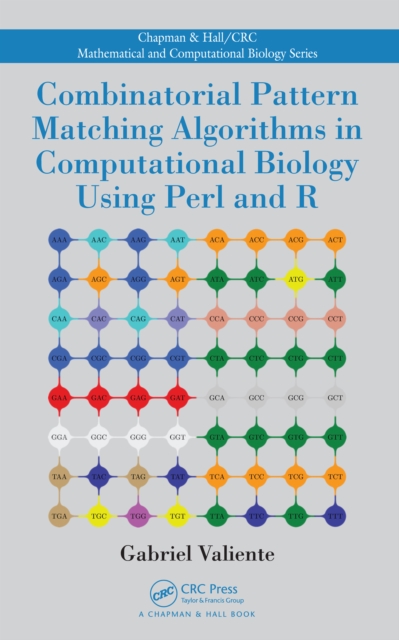
Emphasizing the search for patterns within and between biological sequences, trees, and graphs, Combinatorial Pattern Matching Algorithms in Computational Biology Using Perl and R shows how combinatorial pattern matching algorithms can solve computational biology problems that arise in the analysis of genomic, transcriptomic, proteomic, metabolomic
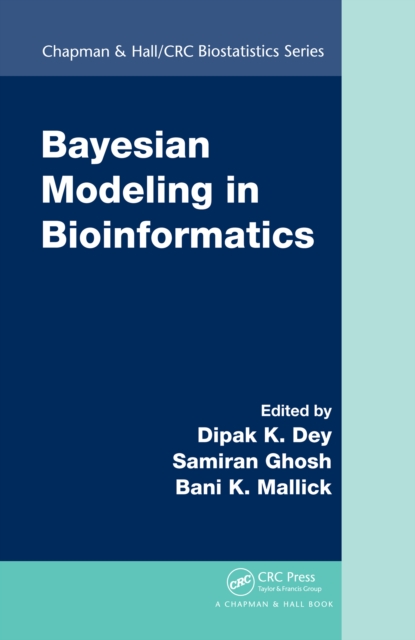
Bayesian Modeling in Bioinformatics discusses the development and application of Bayesian statistical methods for the analysis of high-throughput bioinformatics data arising from problems in molecular and structural biology and disease-related medical research, such as cancer.
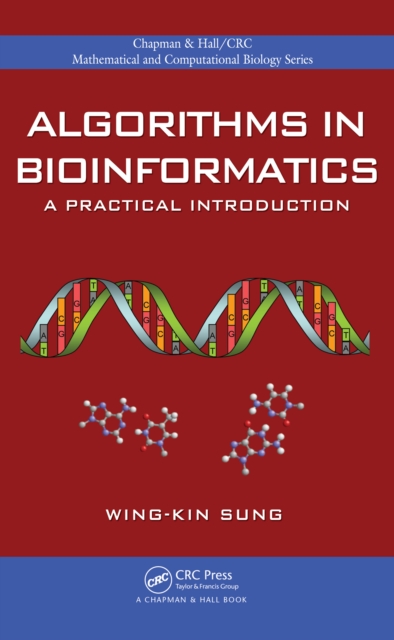
Thoroughly Describes Biological Applications, Computational Problems, and Various Algorithmic Solutions Developed from the author's own teaching material, Algorithms in Bioinformatics: A Practical Introduction provides an in-depth introduction to the algorithmic techniques applied in bioinformatics.
Research has generated a number of advances in methods for spatial cluster modelling in recent years, particularly in the area of Bayesian cluster modelling.
The broad range of G protein-coupled receptors (GPCRs) encompasses all areas of modern medicine and have an enormous impact on the process of drug development.
The handling and analysis of data generated by proteomics investigations represent a challenge for computer scientists, biostatisticians, and biologists to develop tools for storing, retrieving, visualizing, and analyzing genomic data.
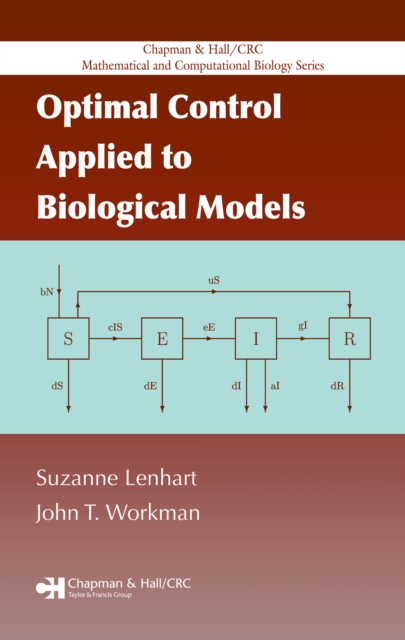
From economics and business to the biological sciences to physics and engineering, professionals successfully use the powerful mathematical tool of optimal control to make management and strategy decisions.
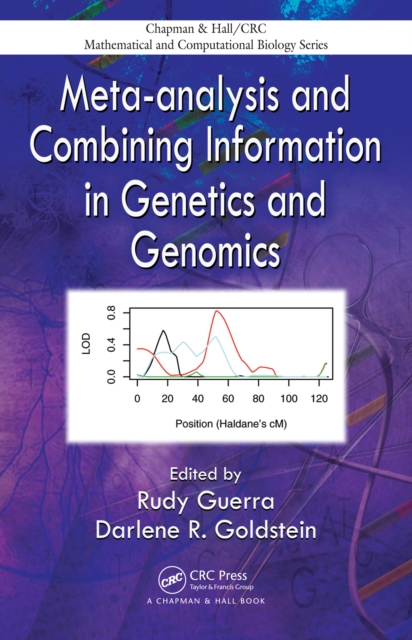
Novel Techniques for Analyzing and Combining Data from Modern Biological StudiesBroadens the Traditional Definition of Meta-AnalysisWith the diversity of data and meta-data now available, there is increased interest in analyzing multiple studies beyond statistical approaches of formal meta-analysis.
The new research area of genomics-inspired network biology lacks an introductory book that enables both physical/computational scientists and biologists to obtain a general yet sufficiently rigorous perspective of current thinking.
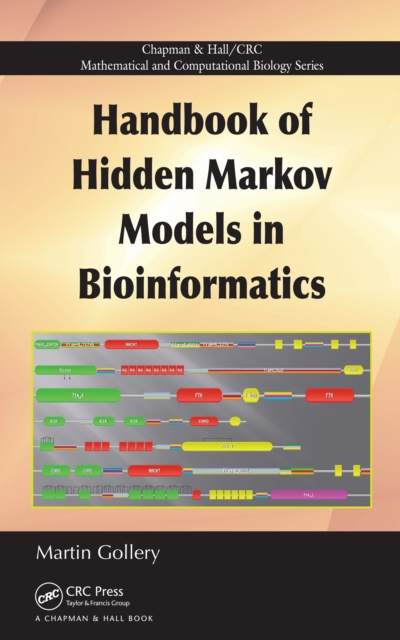
Demonstrating that many useful resources, such as databases, can benefit most bioinformatics projects, the Handbook of Hidden Markov Models in Bioinformatics focuses on how to choose and use various methods and programs available for hidden Markov models (HMMs).
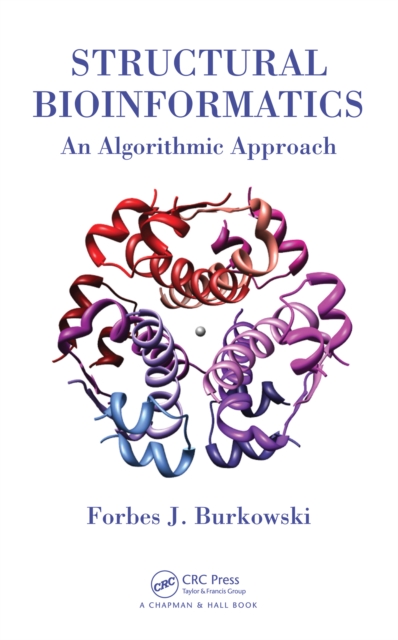
The Beauty of Protein Structures and the Mathematics behind Structural BioinformaticsProviding the framework for a one-semester undergraduate course, Structural Bioinformatics: An Algorithmic Approach shows how to apply key algorithms to solve problems related to macromolecular structure.
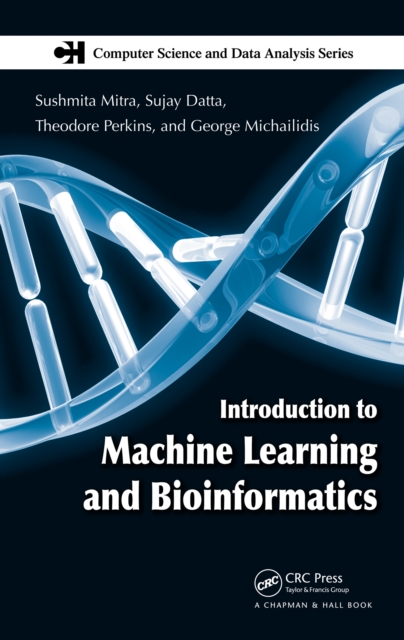
Lucidly Integrates Current ActivitiesFocusing on both fundamentals and recent advances, Introduction to Machine Learning and Bioinformatics presents an informative and accessible account of the ways in which these two increasingly intertwined areas relate to each other.
Integrating various technologies with informational systems provides vast improvements to the overall research and development that occur in the biopharmaceutical industry.
Covering theory, algorithms, and methodologies, as well as data mining technologies, Data Mining for Bioinformatics provides a comprehensive discussion of data-intensive computations used in data mining with applications in bioinformatics.