In 1859 Darwin described a deceptively simple mechanism that he called "e;natural selection,"e; a combination of variation, inheritance, and reproductive success.
Reticulate Evolution and Humans is the first book to describe the effect of genetic exchange on the origin and evolution of our own species as well as those species with which we have and continue to interact closely, both evolutionarily and culturally.
The extent to which human activity has influenced species extinctions during the recent prehistoric past remains controversial due to other factors such as climatic fluctuations and a general lack of data.
Biological invaders represent one of the primary threats to the maintenance of global biodiversity, human health, and the success of human economic enterprises.
Dragonflies and Damselflies documents the latest advances in odonate biology and relates these to a broader ecological and evolutionary research agenda.
Trust - our belief in the truth or reliability of someone or something - lies at the very heart of our relationships, our society and our everyday lives.
The History of British Birds reviews our knowledge of avifaunal history over the last 15,000 years, setting it in its wider historical and European context.
'Man still bears in his bodily frame the indelible stamp of his lowly origin' On topics ranging from intelligent design and climate change to the politics of gender and race, the evolutionary writings of Charles Darwin occupy a pivotal position in contemporary public debate.
In this fully revised and updated edition, the editors have integrated a completely new set of contributions from the leading researchers in the field to describe the latest research in evolutionary medicine, providing a fresh summary of this rapidly expanding field 10 years after its predecessor was first compiled.
Animal phylogeny is undergoing a major revolution due to the availability of an exponentially increasing amount of molecular data and the application of novel methods of phylogenetic reconstruction, as well as the many spectacular advances in palaeontology and molecular developmental biology.
This advanced textbook is the first to explore the consequences of plant dispersal for population and community dynamics, spatial patterns, and evolution.
From termite mounds that in relative terms are three times as tall as a skyscraper, to the elaborate nests of social birds and the deadly traps of spiders, the constructions of the animal world can amaze and at times humble our own engineering and technology.
Even before the publication of Darwin's Origin of Species, the perception of evolutionary change has been a tree-like pattern of diversification - with divergent branches spreading further and further from the trunk.
Human Evolution provides a comprehensive overview of hominid evolution, synthesising data and approaches from fields as diverse as physical anthropology, evolutionary biology, molecular biology, genetics, archaeology, psychology and philosophy.
Parsimony analysis (cladistics) has long been one of the most widely used methods of phylogenetic inference in the fields of systematic and evolutionary biology.
Unlike humans, who came down from the trees and developed bipedal locomotion, chimpanzees have remained in the original habitat of our ancestors: the tropical rainforests of Africa.
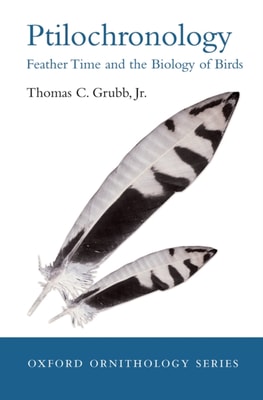
This is the first book to summarize the methods, conceptual issues and results of studies using the interpretation of feather growth rates as an index of nutritional condition in birds.
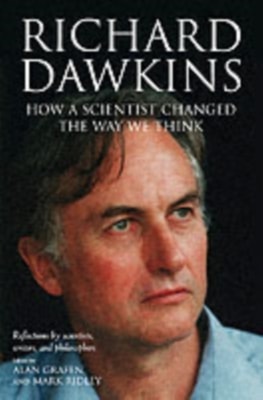
Published to coincide with the 30th anniversary of The Selfish Gene, this sparkling collection explores the impact of Richard Dawkins as scientist, rationalist, and one of the most important thinkers alive today.
The field of molecular evolution has experienced explosive growth in recent years due to the rapid accumulation of genetic sequence data, continuous improvements to computer hardware and software, and the development of sophisticated analytical methods.
This is a book about the dramatic periods in the Earth's history called mass extinctions - short periods (by geological standards) when life nearly died out on Earth.
The cognitive science of religion is an inherently heterogeneous subject, incorporating theory and data from anthropology, psychology, sociology, evolutionary biology, and philosophy of mind amongst other subjects.
This book offers fascinating insights into the lives of our ancestors and investigates the dynamic processes that led to the establishment of complex human societies.