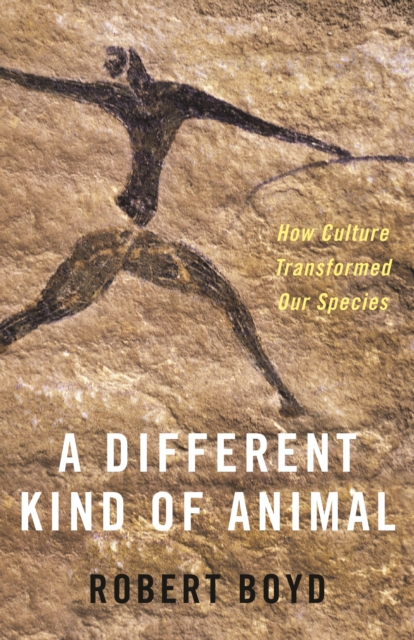
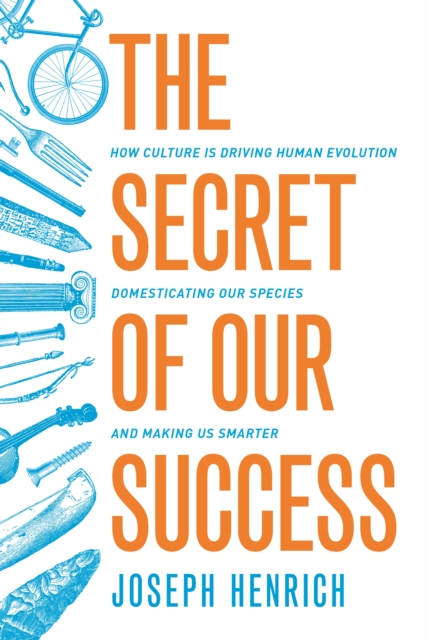
How our ability to learn from each other has been the essential ingredient to our remarkable success as a speciesHuman beings are a very different kind of animal.
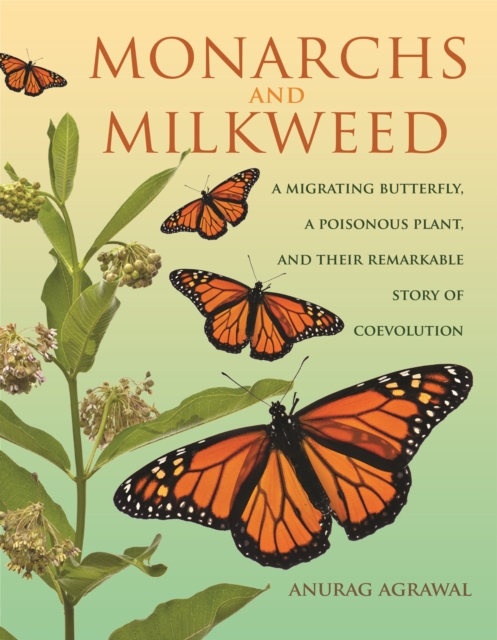
The fascinating and complex evolutionary relationship of the monarch butterfly and the milkweed plantMonarch butterflies are one of nature's most recognizable creatures, known for their bright colors and epic annual migration from the United States and Canada to Mexico.
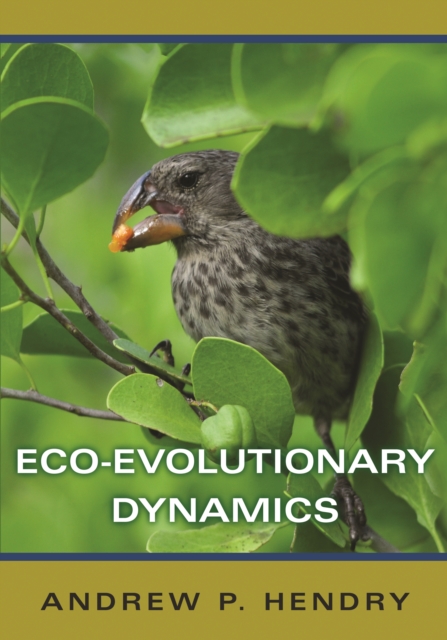
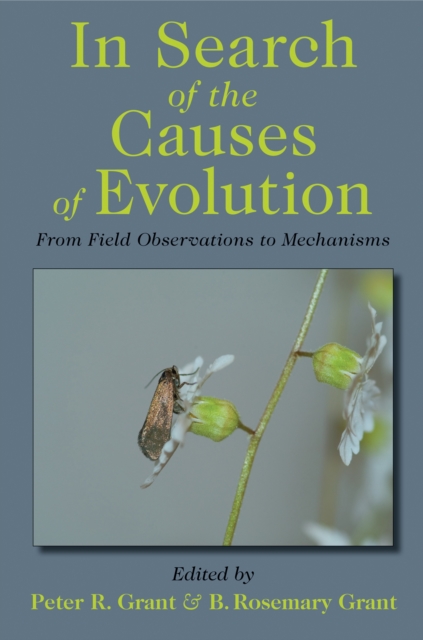
In recent years, scientists have realized that evolution can occur on timescales much shorter than the "e;long lapse of ages"e; emphasized by Darwin-in fact, evolutionary change is occurring all around us all the time.
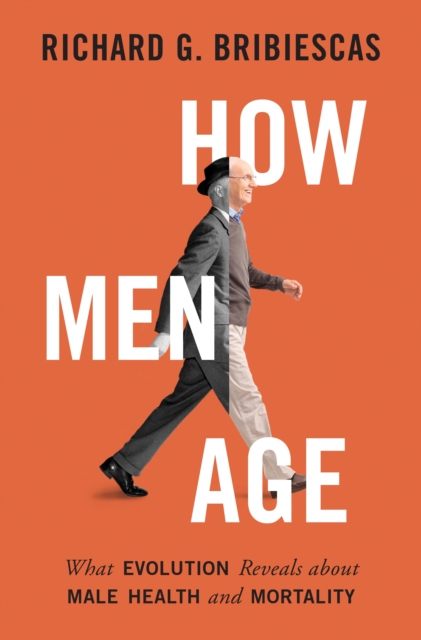
A groundbreaking book that examines all aspects of male aging through an evolutionary lensWhile the health of aging men has been a focus of biomedical research for years, evolutionary biology has not been part of the conversation-until now.
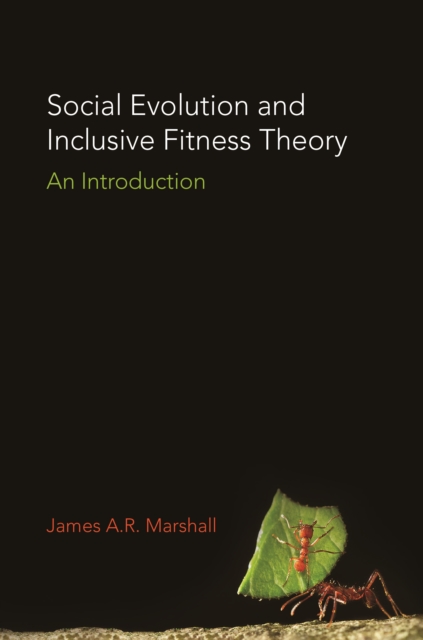
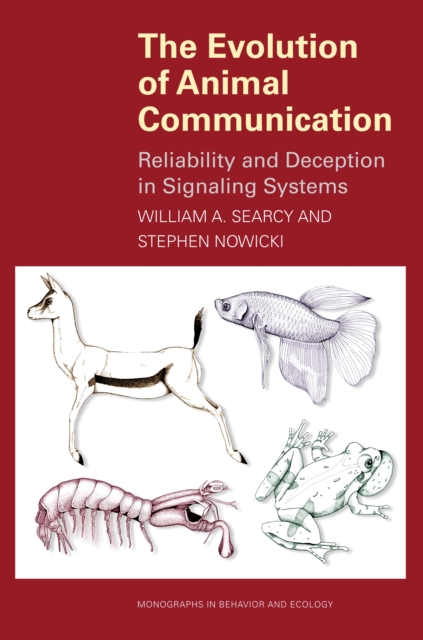
Social behavior has long puzzled evolutionary biologists, since the classical theory of natural selection maintains that individuals should not sacrifice their own fitness to affect that of others.
A major synthesis of homology, written by a top researcher in the fieldHomology-a similar trait shared by different species and derived from common ancestry, such as a seal's fin and a bird's wing-is one of the most fundamental yet challenging concepts in evolutionary biology.
How our brains have evolved so that we control how we think and behaveThe Unpredictable Species argues that the human brain evolved in a way that enhances our cognitive flexibility and capacity for innovation and imitation.
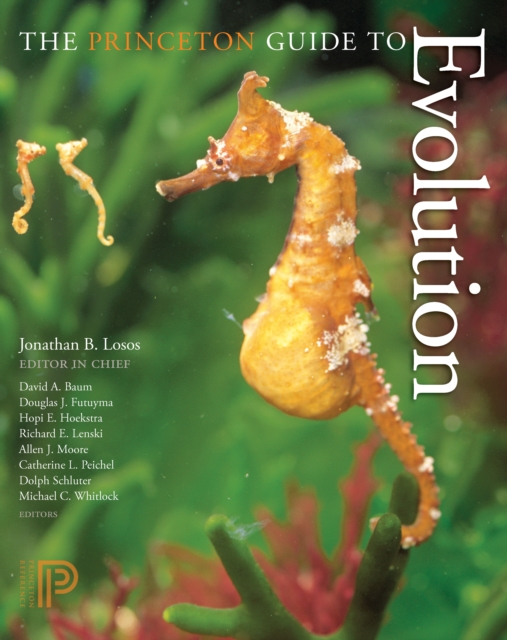
The essential one-volume reference to evolutionThe Princeton Guide to Evolution is a comprehensive, concise, and authoritative reference to the major subjects and key concepts in evolutionary biology, from genes to mass extinctions.
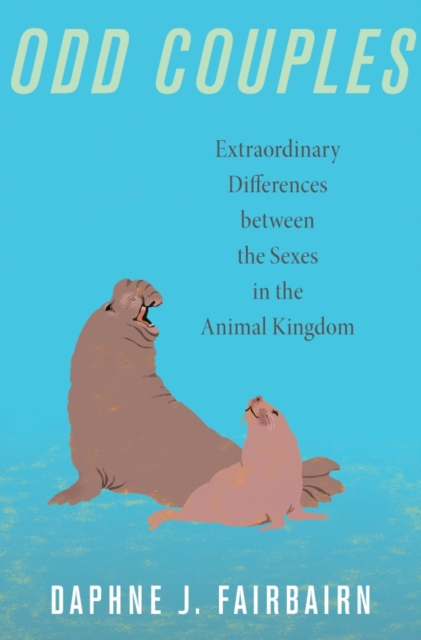
The remarkable and unique ways that male and female animals play out gender roles in natureWhile we joke that men are from Mars and women are from Venus, our gender differences can't compare to those of many other animals.
A revolutionary approach to the study of cooperation that unites evolutionary biology and the social sciencesFrom the family to the workplace to the marketplace, every facet of our lives is shaped by cooperative interactions.
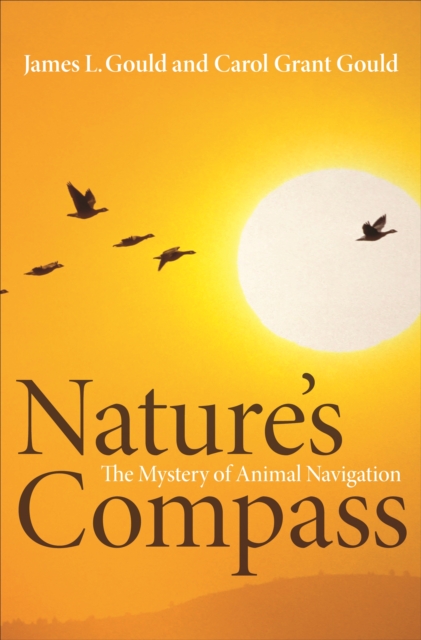
The mysterious and remarkable ways that animals navigateWe know that animals cross miles of water, land, and sky with pinpoint precision on a daily basis.
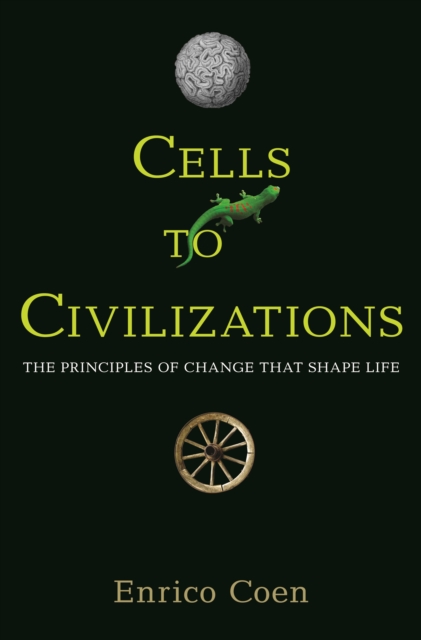
The science of change from cells to cultureCells to Civilizations is the first unified account of how life transforms itself-from the production of bacteria to the emergence of complex civilizations.
How our stone-age brains made modern society, and why it matters for relationships between men and womenAs countless love songs, movies, and self-help books attest, men and women have long sought different things.
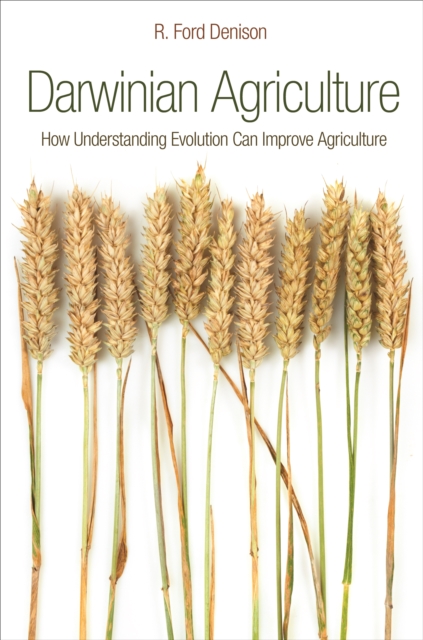
Harnessing evolution for more sustainable agricultureAs human populations grow and resources are depleted, agriculture will need to use land, water, and other resources more efficiently and without sacrificing long-term sustainability.
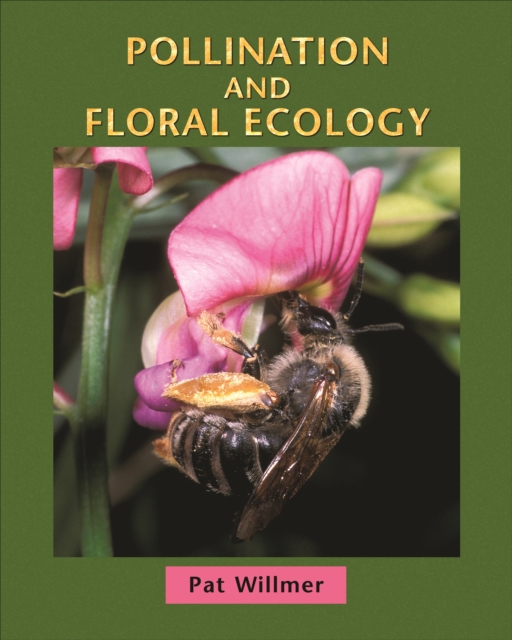
Pollination and Floral Ecology is the most comprehensive single-volume reference to all aspects of pollination biology--and the first fully up-to-date resource of its kind to appear in decades.
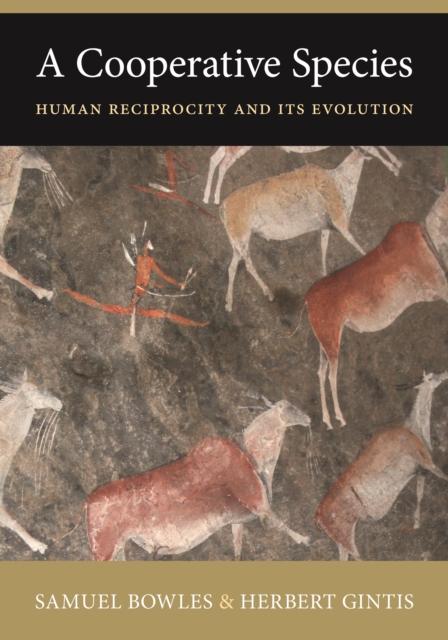
A fascinating look at the evolutionary origins of cooperationWhy do humans, uniquely among animals, cooperate in large numbers to advance projects for the common good?
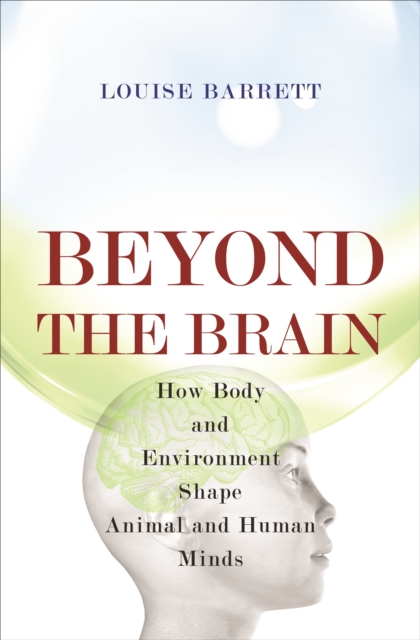
A new approach to understanding animal and human cognitionWhen a chimpanzee stockpiles rocks as weapons or when a frog sends out mating calls, we might easily assume these animals know their own motivations--that they use the same psychological mechanisms that we do.
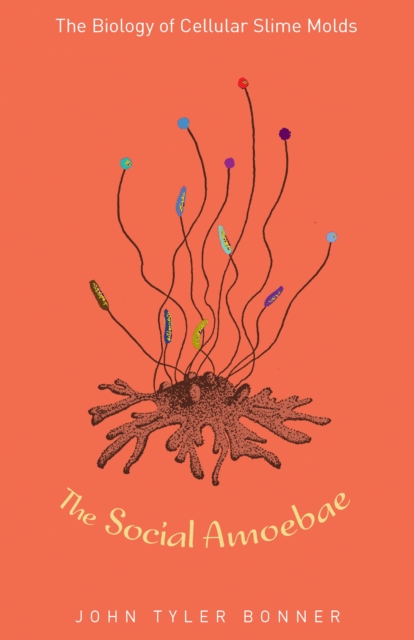
Noted biologist and author John Tyler Bonner has experimented with cellular slime molds for more than sixty years, and he has done more than anyone else to raise these peculiar collections of amoebae from a minor biological curiosity to a major model organism--one that is widely studied for clues to the development and evolution of all living things.
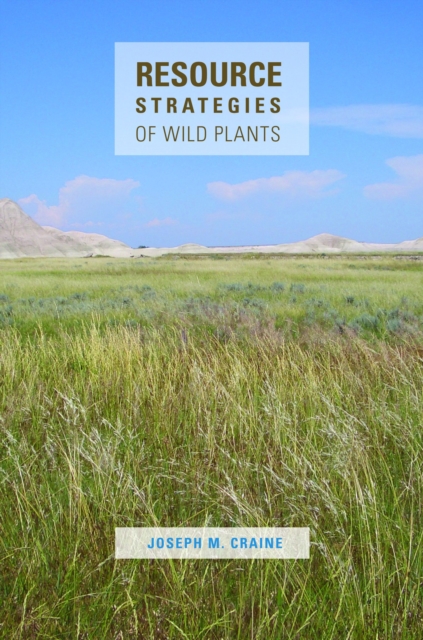
Over millions of years, terrestrial plants have competed for limited resources, defended themselves against herbivores, and resisted a myriad of environmental stresses.
The idea of a balance of nature has been a dominant part of Western philosophy since before Aristotle, and it persists in the public imagination and even among some ecologists today.
A major new look at the evolution of mating decisions in organisms from protozoans to humans The popular consensus on mate choice has long been that females select mates likely to pass good genes to offspring.
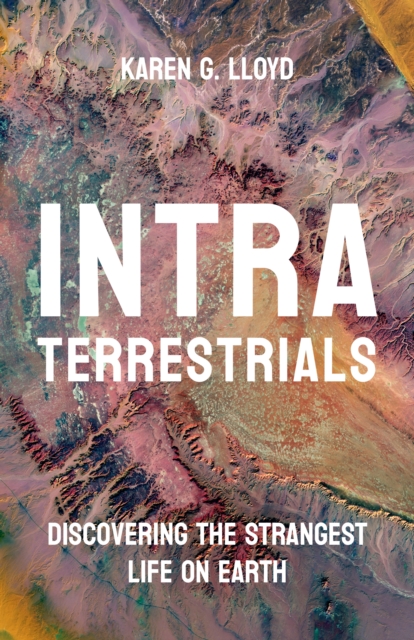
A biologist's firsthand account of encounters with the planet's most bizarre organismsand how these discoveries are challenging our most basic assumptions about life on EarthLife thrives in the deepest, darkest recesses of Earth's crustfrom methane seeps in the ocean floor to the highest reaches of Arctic permafrostand it is unlike anything seen on the surface.
A fascinating look at the evolutionary origins of cooperationWhy do humans, uniquely among animals, cooperate in large numbers to advance projects for the common good?
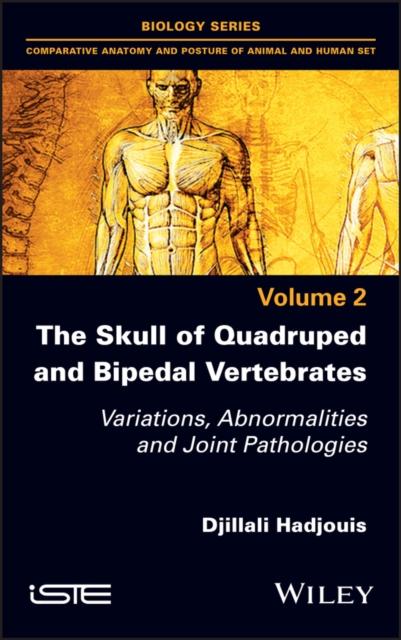
This book forms part of the set, Comparative Anatomy and Posture of Animal and Human, and focuses on the skulls of Quaternary mammals and of Man since the acquisition of upright posture.
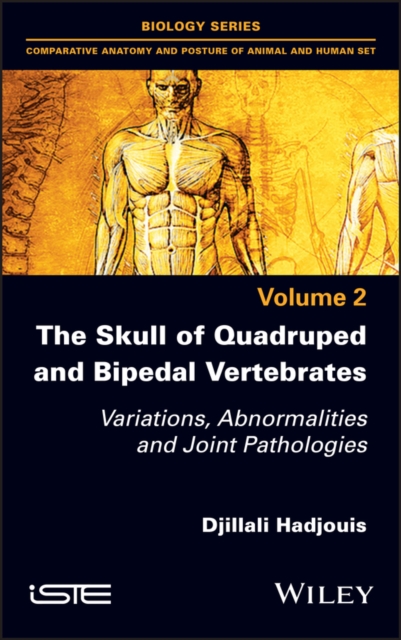
This book forms part of the set, Comparative Anatomy and Posture of Animal and Human, and focuses on the skulls of Quaternary mammals and of Man since the acquisition of upright posture.
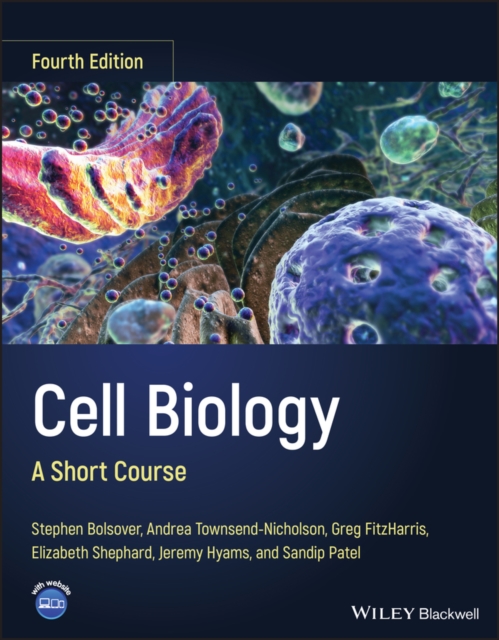
An accessible and straightforward intro to cell biology In the newly revised Fourth Edition of Cell Biology: A Short Course, a distinguished team of researchers delivers a concise and accessible introduction to modern cell biology, integrating knowledge from genetics, molecular biology, biochemistry, physiology, and microscopy.
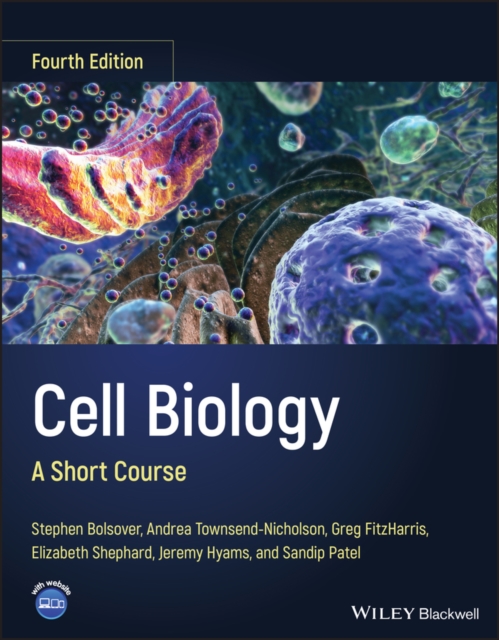
An accessible and straightforward intro to cell biology In the newly revised Fourth Edition of Cell Biology: A Short Course, a distinguished team of researchers delivers a concise and accessible introduction to modern cell biology, integrating knowledge from genetics, molecular biology, biochemistry, physiology, and microscopy.
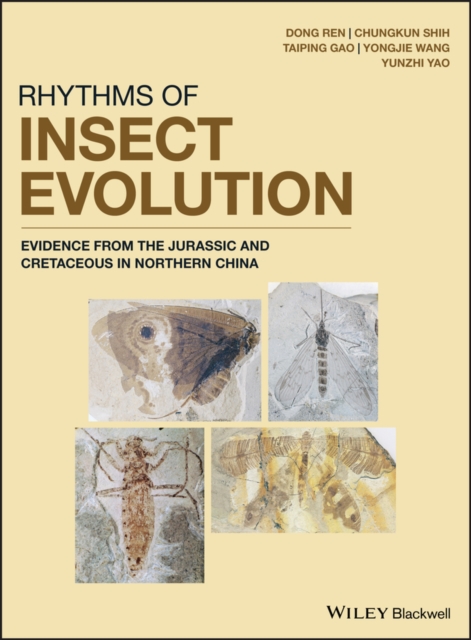
Documents morphology, taxonomy, phylogeny, evolutionary changes, and interactions of 23 orders of insects from the Middle Jurassic and Early Cretaceous faunas in Northern China This book showcases 23 different orders of insect fossils from the Mid Mesozoic period (165 to 125 Ma) that were discovered in Northeastern China.
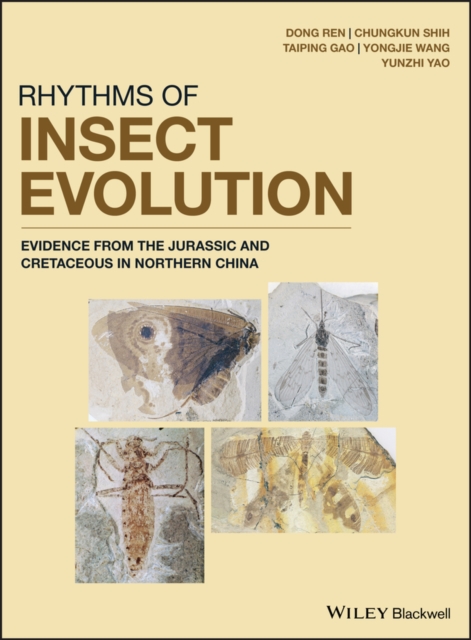
Documents morphology, taxonomy, phylogeny, evolutionary changes, and interactions of 23 orders of insects from the Middle Jurassic and Early Cretaceous faunas in Northern China This book showcases 23 different orders of insect fossils from the Mid Mesozoic period (165 to 125 Ma) that were discovered in Northeastern China.