LONGLISTED FOR THE WELLCOME TRUST BOOK PRIZE 2012While carrying out historical research at an Ontario asylum, psychiatrist Harry Karlinsky comes across a familiar surname in the register.
A scientific study that keeps in mind the needs of butterfly collectors and of all those who love the country in the hope that it may increase their pleasure by widening the scope of their interests.
Ever wondered why primroses have three sorts of flowers; or about pesticide resistance in rats and mice, mosquitoes and green-fly; antibiotic resistance in disease organisms - all are examples of genetical adjustment, explained in this book.
Mammals in the British Isles looks at the influences on their numbers and distribution, both now and in the past, examines aspects of their biology with emphasis on function and physiology, and concludes with an account of relationships with man.
Steve Jones's highly acclaimed, double prize-winning, bestselling first book is now fully revised to cover all the new genetic breakthroughs from GM food to Dolly the sheep.
With his groundbreaking findings and extensive research, palaeontologist and dino hunter Dr Phil Currie challenges the very foundations of traditional dinosaur theories.
The imperative to 'know thyself' is both fundamental and profoundly elusive - for how can we ever truly comprehend the drama and complexity of the human experience?
When it comes to relating Christianity to modern Western culture, perhaps no topic is more controversial than the relationship between Christianity and science.
The Fool and the Heretic is a deeply personal story told by two respected scientists who hold opposing views on the topic of origins, share a common faith in Jesus Christ, and began a sometimes-painful journey to explore how they can remain in Christian fellowship when each thinks the other is harming the church.
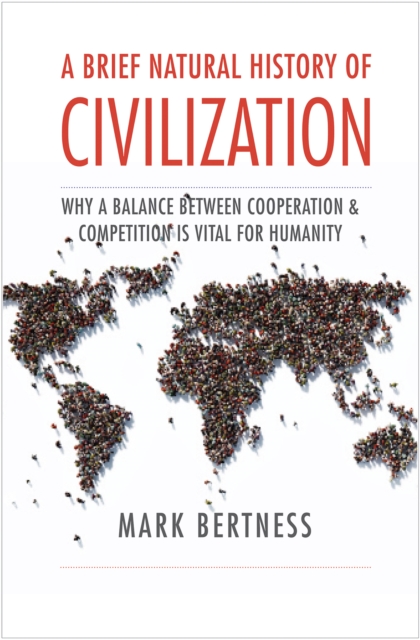
A compelling evolutionary narrative that reveals how human civilization follows the same ecological rules that shape all life on Earth Offering a bold new understanding of who we are, where we came from, and where we are going, noted ecologist Mark Bertness argues that human beings and their civilization are the products of the same self'organization, evolutionary adaptation, and natural selection processes that have created all other life on Earth.
An "e;impressive"e; wide-ranging argument by a renowned anthropologist that the capacity to believe is what makes us human (Justin Barret, American Scientist).
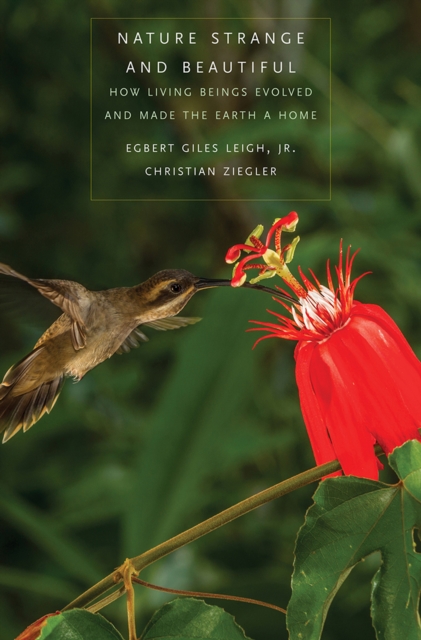
A beautifully written exploration of how cooperation shaped life on earth, from its single-celled beginnings to complex human societiesIn this rich, wide-ranging, beautifully illustrated volume, Egbert Leigh explores the results of billions of years of evolution at work.
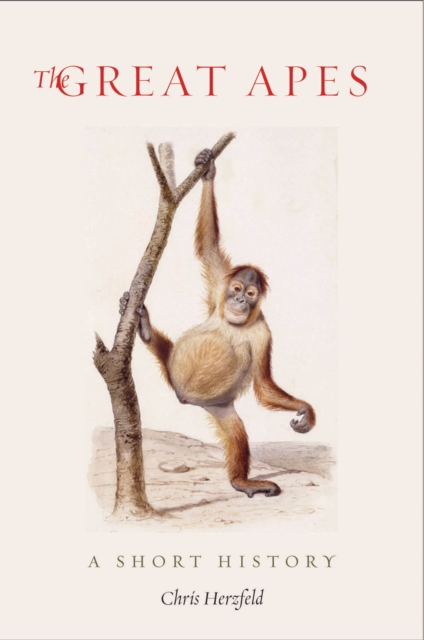
A unique, beautifully illustrated exploration of our fascination with our closest primate relatives, and the development of primatology as a disciplineThis insightful work is a compact but wide-ranging survey of humankind's relationship to the great apes (chimpanzees, bonobos, gorillas, orangutans), from antiquity to the present.
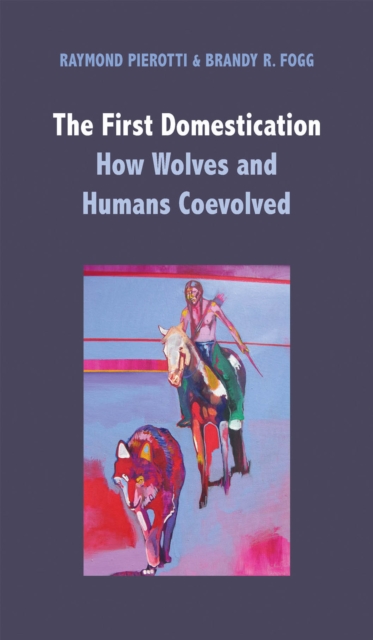
A riveting look at how dog and humans became best friends, and the first history of dog domestication to include insights from indigenous peoplesIn this fascinating book, Raymond Pierotti and Brandy Fogg change the narrative about how wolves became dogs and in turn, humanity's best friend.
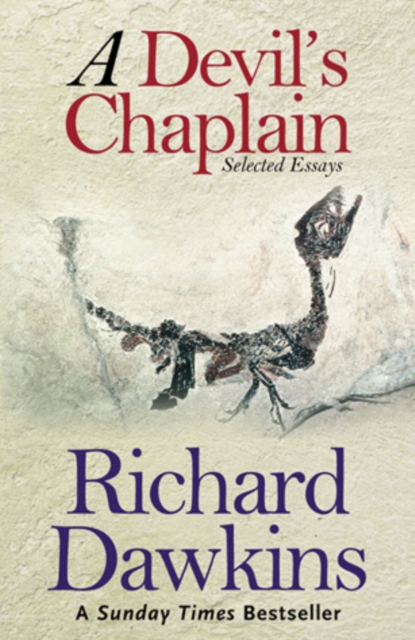
'A rare treat and it comes in seven servings, each essay will grip you at once' NEW SCIENTIST'There is a lovely tribute to Dawkins's friend Douglas Adams, some interesting speculations on the next few decades of genetic engineering, an explanation of what crystals really are, and some heartfelt reminiscences of Africa' GUARDIAN'Essential reading' SUNDAY TIMESRichard Dawkins is one of the finest minds in science, and in this superb collection of essays and letters, he demonstrates the depth of his knowledge and the rich variety of his interests.
Among all the large whales on Earth, the most unusual and least studied is the narwhal, the northernmost whale on the planet and the one most threatened by global warming.
In this unusual book an evolutionary anthropologist and her coauthor/granddaughter, who has Asperger syndrome, examine the emergence and spread of Asperger syndrome and other forms of high-functioning autism.
'Beautiful to read and packed with cutting-edge science' Observer'Poetic, mind-stretching and, through it all, deeply human' Daniel LevitinMental illness is one of the greatest causes of human suffering, its nature and origin a long-held mystery.
A fascinating analysis of the evolution of religion from the internationally renowned evolutionary psychologistWhen did humans develop spiritual thought?
Applying his controversial theory of evolution to the origins of the human species, Charles Darwin's The Descent of Man was the culmination of his life's work.
One of the world's most respected psychiatrists provides a much-needed new evolutionary framework for making sense of mental illnessWith his classic book Why We Get Sick, Randolph Nesse established the field of evolutionary medicine.
* A TIMES BEST SCIENCE BOOK OF THE YEAR *From the prize-winning author of Adventures in the Anthropocene, the astonishing story of how culture enabled us to become the most successful species on Earth'A wondrous, visionary work' Tim Flannery, author of The Weather MakersHumans are a planet-altering force.
'A clear and engaging explanation of one of the hottest fields in science' Steven Pinker'A hugely important book' Matt Ridley, The TimesOne of the world's top behavioural geneticists argues that we need a radical rethink about what makes us who we areThe blueprint for our individuality lies in the 1% of DNA that differs between people.