This book presents a comprehensive overview of our current understanding of mutualism origin, plant-pollinator specificity, mutualism stability, and reciprocal diversification.
A groundbreaking book that examines all aspects of male aging through an evolutionary lensWhile the health of aging men has been a focus of biomedical research for years, evolutionary biology has not been part of the conversation-until now.
A groundbreaking theory of what makes the human mind uniqueThe Recursive Mind challenges the commonly held notion that language is what makes us uniquely human.
A major synthesis of homology, written by a top researcher in the fieldHomology-a similar trait shared by different species and derived from common ancestry, such as a seal's fin and a bird's wing-is one of the most fundamental yet challenging concepts in evolutionary biology.
Evolutionary Neuroscience is a collection of articles in brain evolution selected from the recent comprehensive reference, Evolution of Nervous Systems (Elsevier, Academic Press, 2007).
Inducible defenses--those often dramatic phenotypic shifts in prey activated by biological agents ranging from predators to pathogens--are widespread in the natural world.
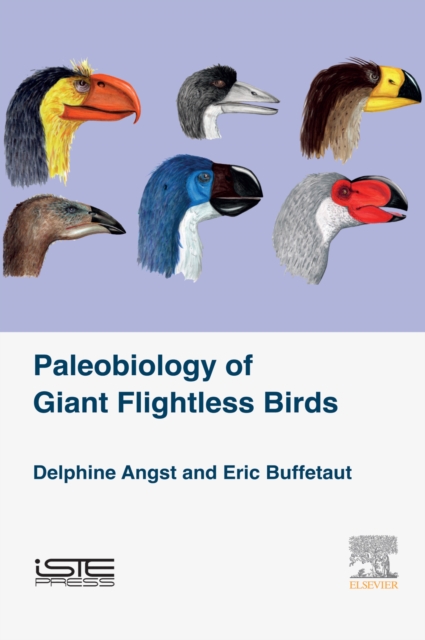
The fossil record of giant flightless birds extends back to the Late Cretaceous, more than 70 million years ago, but our understanding of these extinct birds is still incomplete.
Chondrichthyans possess unique anatomical features compared to other vertebrates, in particular a fully cartilaginous skeleton and a permanently renewed dentition.
Bringing together the latest methodological and scientific progress in the various research areas in the field of Environmental Genomics, this book discusses the characterization of the structure and dynamics of life, the study of the evolution and adaptation of genes and genomes, the analysis of degraded and/or old DNA, and the functional and genomic ecology of populations and communities.
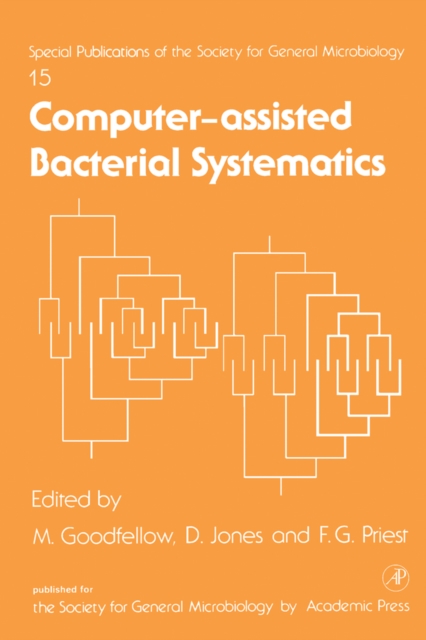
Computer-Assisted Bacterial Systematics examines the theoretical basis of numerical taxonomy and its impact on microbial classification and identification.
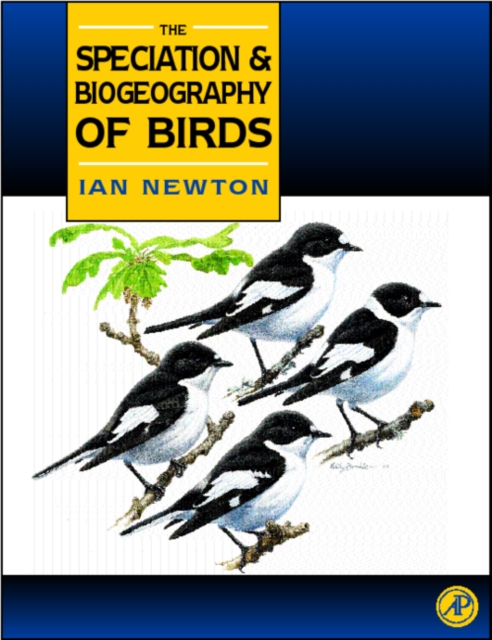
This book should be of value to anyone interested in bird evolution and taxonomy, biogeography, distributional history, dispersal and migration patterns.
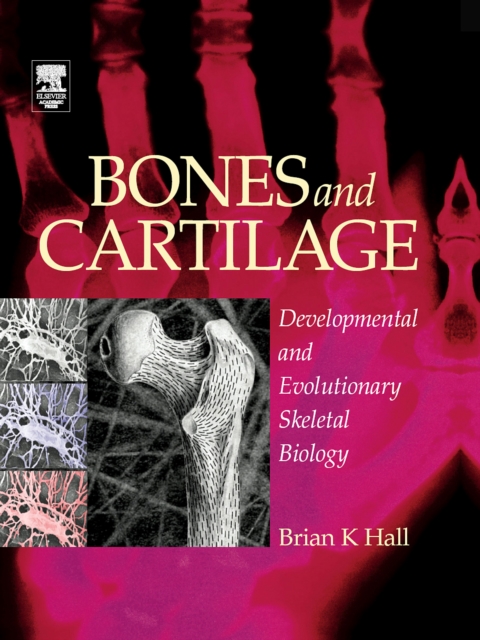
The marriage of evolutionary biology with developmental biology has resulted in the formation of a new field, evolutionary developmental biology, or "e;evo-devo.
This is a tale of human obsession, one intrepid tuna, the dedicated fisherman who caught and set her free, the promises and limits of ocean science and the big truth of how our insatiable appetite for bluefin transformed a cottage industry into a global dilemma.
A major biography of the brilliant naturalist, traveler, humanitarian, and codiscoverer of natural selectionAlfred Russel Wallace (18231913) was perhaps the most famed naturalist of the Victorian age.
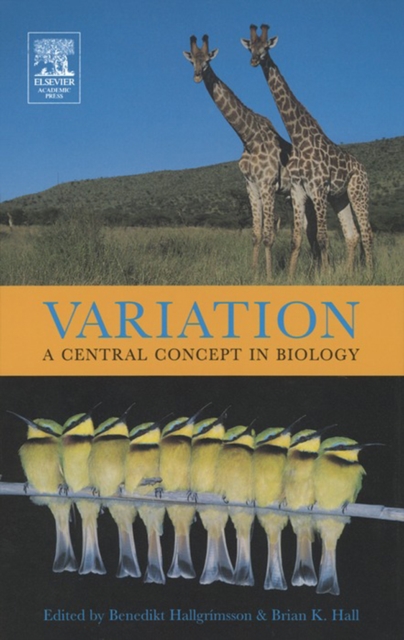
The data of evolutionary biology have changed in a very radical way in recent years, the most significant input to this revolution being the advances made in developmental genetics.
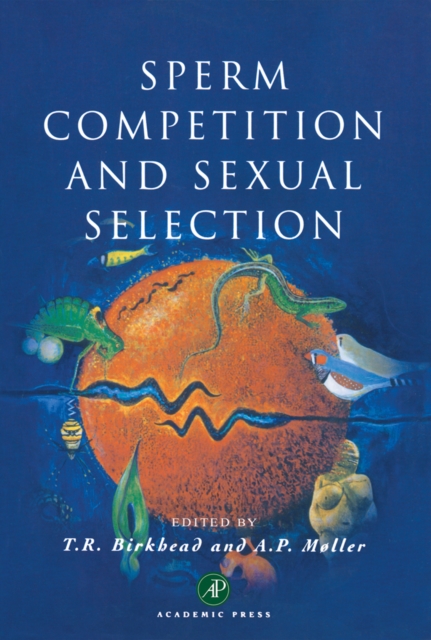
Sperm Competition and Sexual Selection presents the intricate ways in which sperm compete to fertilize eggs and how this has prompted reinterpretations of breeding behavior.
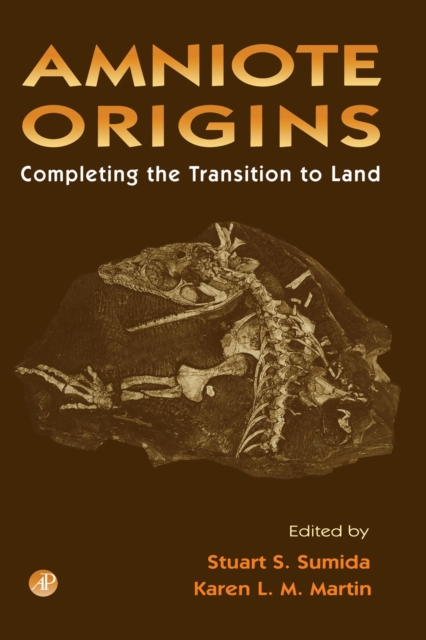
Amniote Origins integrates modern systematic methods with studies of functional and physiological processes, and illustrates how studies of paleobiology can be illuminated by studies of neonatology.
Geometric Morphometrics for Biologists is an introductory textbook for a course on geometric morphometrics, written for graduate students and upper division undergraduates, covering both theory of shape analysis and methods of multivariate analysis.
The essential one-volume reference to evolutionThe Princeton Guide to Evolution is a comprehensive, concise, and authoritative reference to the major subjects and key concepts in evolutionary biology, from genes to mass extinctions.
A revolutionary approach to the study of cooperation that unites evolutionary biology and the social sciencesFrom the family to the workplace to the marketplace, every facet of our lives is shaped by cooperative interactions.
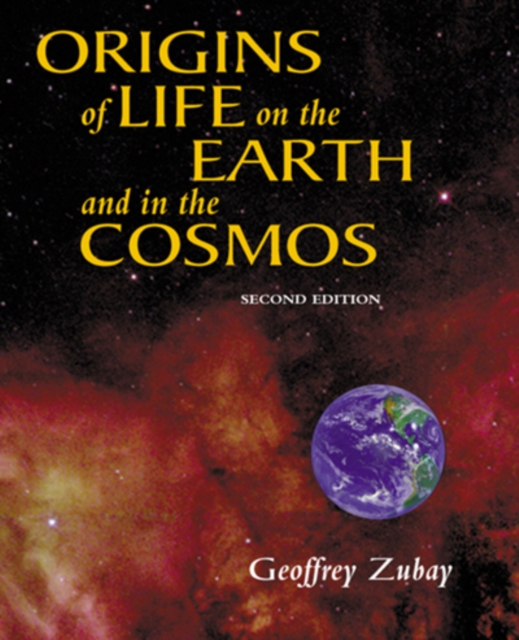
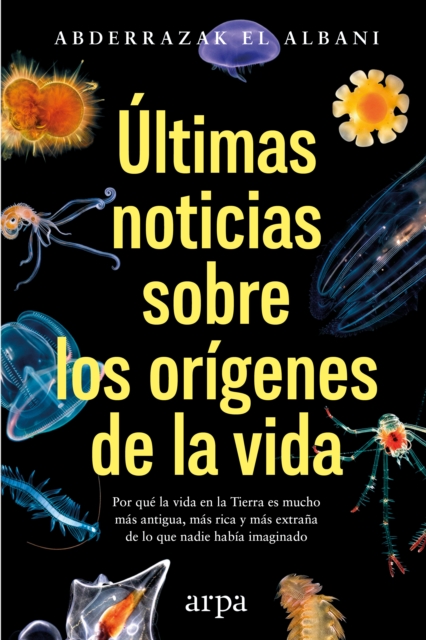
Origins of Life on the Earth and in the Cosmos, Second Edition, suggests answers to the age-old questions of how life arose in the universe and how it might arise elsewhere.
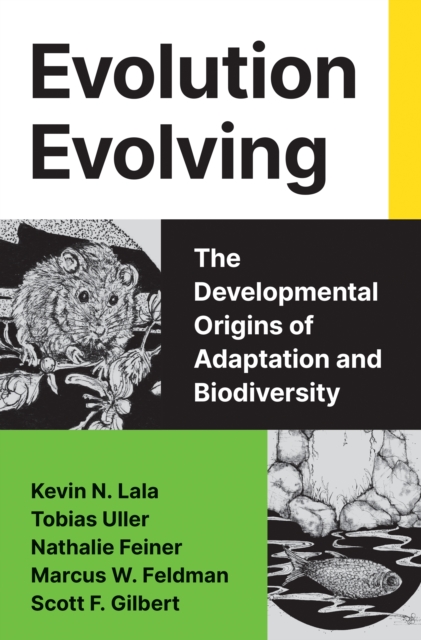
A new account of the central role developmental processes play in evolutionA new scientific view of evolution is emergingone that challenges and expands our understanding of how evolution works.
A fundamental and groundbreaking reassessment of how we view and manage cancer When we think of the forces driving cancer, we don't necessarily think of evolution.
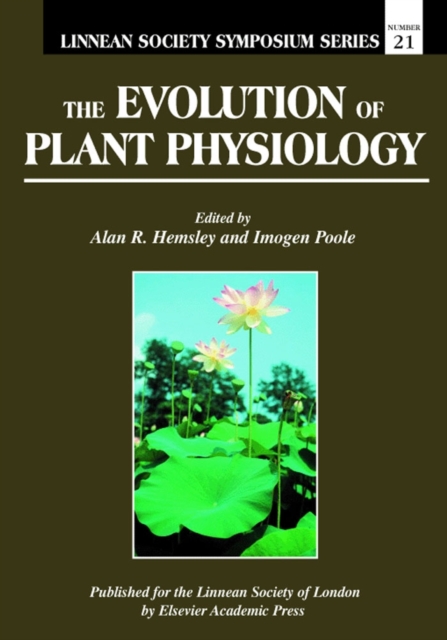
Coupled with biomechanical data, organic geochemistry and cladistic analyses utilizing abundant genetic data, scientific studies are revealing new facets of how plants have evolved over time.
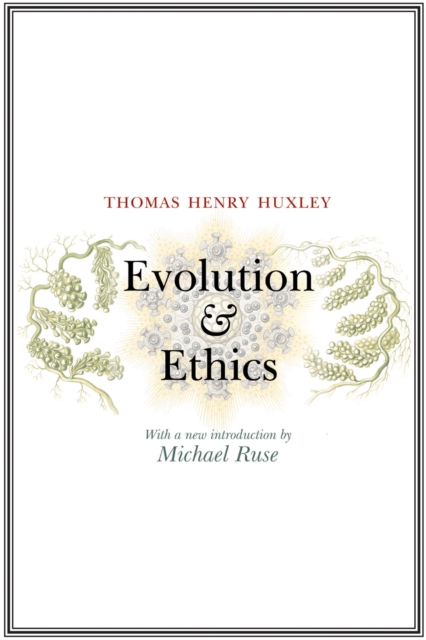
Huxley's classic lecture on evolution, human nature, and the way to true happinessThomas Henry Huxley (18251895) was one of the most prominent evolutionists of the late nineteenth century.
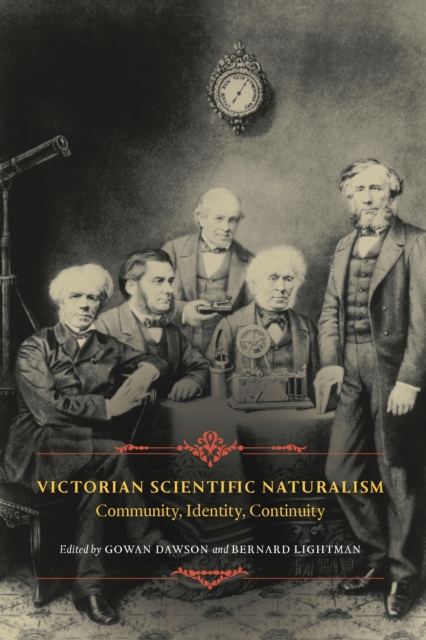
Victorian Scientific Naturalism examines the secular creeds of the generation of intellectuals who, in the wake of The Origin of Species, wrested cultural authority from the old Anglican establishment while installing themselves as a new professional scientific elite.
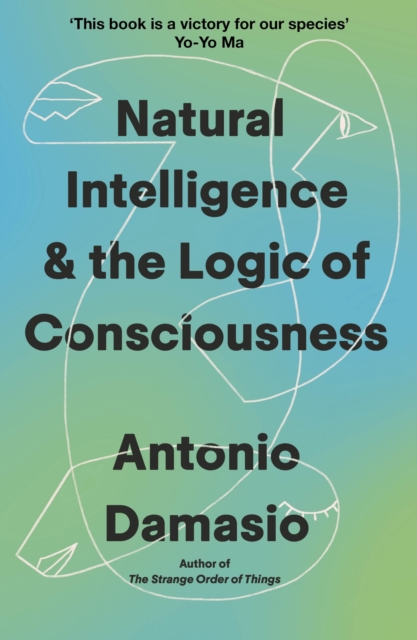
A masterful synthesis of neuroscience, philosophy and evolutionary biology, this book transforms how we understand what it means to be conscious, alive and human, and how that differs from artifical intelligence.