Systems biology and computational biology have recently become prominent areas of research in the biomedical community, especially in the area of cell biology.
Modern natural science shows that the infancy of life on Earth experienced prebiotic evolution and included the emergence of primitive self-reproducing biologic forms and their systems.
Gene mapping is used in experimental genetics to improve the hardiness or productivity of animals or plants of agricultural value, to explore basic mechanisms of inheritance, or to study animal models of human inheritance.
Although some examples of phase portraits of quadratic systems can already be found in the work of Poincare, the first paper dealing exclusively with these systems was published by Buchel in 1904.
The editors will address the questions of life history and reproduction by attempting to isolate the various components of reproductive success and fitness in baboons.
Advances in fossil studies relating to the origin of Homo sapiens have strengthened the hypothesis that our direct ancestors originated on the African continent.
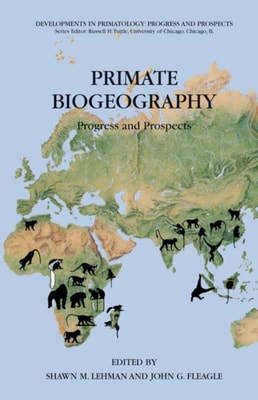
Biogeography is a vital component in many aspects of Primatology, including studies of evolution, speciation systematics, population genetics, and community ecology.
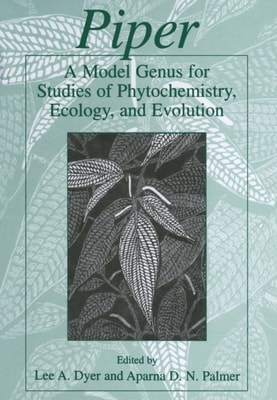
Piper is an economically and ecologically important genus of plant that includes a fascinating array of species for studying natural history, natural products chemistry, community ecology, and evolutionary biology.
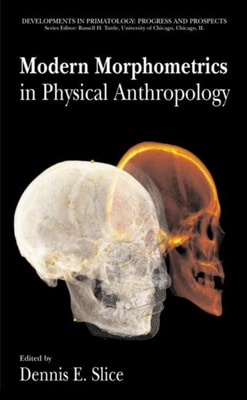
Morphometrics has undergone a revolutionary transformation in the past two decades as new methods have been developed to address shortcomings in the traditional multivirate analysis of linear distances, angles, and indices.
In species with internal fertilization, sperm competition occurs when the sperm of two or more males simultaneously occupy the reproductive tract of a female and compete to fertilize an egg (Parker, 1970).
Early Thoughts on RNA and the Origin of Life The full impact of the essential role of the nucleic acids in biological systems was forcefully demonstrated by the research community in the 1950s.
The editors and contributors to this volume should be justifiably proud of their participation in the tenth triennial meeting of the Chemical Signals in Vertebrates International Symposium.
Research on sensory processing or the way animals see, hear, smell, taste, feel and electrically and magnetically sense their environment has advanced a great deal over the last fifteen years.
Echinostomes are medically- and veterinary-important parasitic flatworms that invade humans, domestic animals and wildlife and also parasitize in their larval stages numerous invertebrate and cold-blooded vertebrate hosts.
A presentation of all aspects of neural crest cell origins (embryological and evolutionary) development and evolution; neural crest cell behavior (migration) and anomalies (neurocristopathies and birth defects) that arise from defective neural crest development.
The Rise of Chance in Evolutionary Theory: A Pompous Parade of Arithmetic explores a pivotal conceptual moment in the history of evolutionary theory: the development of its extensive reliance on a wide array of concepts of chance.
Changes in Eukaryotic Gene Expression in Response to Environmental Stress focuses on various aspects of eukaryotic cell's response to heat stress (shock) and other stress stimuli.
Cognitive Processes of Nonhuman Primates covers the proceedings of the Sixth Annual Symposium on Cognition, held at Carnegie-Mellon University on March 26 and 27, 1970.
Microbiological Assay: An Introduction to Quantitative Principles and Evaluation aims to provide an introduction to the principles of microbiological assay, assay design, and calculation procedures.
Nocturnal Malagasy Primates: Ecology, Physiology, and Behavior is composed of different studies investigating the "e;strategies adopted by lesser known nocturnal species of Marosalaza forest to cope with the contrasted seasonal conditions.
Progress in Ape Research presents the papers reported in the conference organized by the staff of Yerkes Primate Research Center in celebrating the centenary of Dr.
Feeding and Nutrition of Nonhuman Primates is a report of a two-day meeting that aims to evaluate the knowledge and information regarding the diet of primates.
Theory and Application of Microbiological Assay first presents an overview of microbiological assay, including general principles, basic techniques, capabilities, and limitations.
Neurobiology of Social Communication in Primates: An Evolutionary Perspective presents evidence on the neural basis of communicative behavior in primates, reevaluating the relationship between human language and animal communication in view of the linguistic abilities of chimpanzees.
Water Deficits and Plant Growth, Volume V: Water and Plant Disease presents a comprehensive treatment of the role of water deficits and excesses in the plant disease complex.
Arctic and Tropical Arboviruses contains the proceedings of the Second International Symposium on Arctic Arboviruses held at Mont Gabriel, Canada on May 26-28, 1977.
Molecular Basis of Biological Degradative Processes contains the proceedings of the 1977 symposium held at the University of Connecticut Health Science Center.
Microbial Ecology of Foods, Volume I: Factors Affecting Life and Death of Microorganisms presents valuable background information on the theoretical aspects of food microbiology.
Lipids and Biomembranes of Eukaryotic Microorganisms synthesizes the state of knowledge for eukaryotic microorganisms and relates this knowledge to microbial membranes.