Charles Darwin desempeñó un papel crucial a la hora de convertir la herencia en una cuestión científica y, sin embargo, fracasó estrepitosamente a la hora de responderla.
This detailed volume provides a comprehensive resource covering the existing and state-of-the-art tools in the field of profiling chromatin accessibility and its dynamics.
This volume compiles a comprehensive range of methods to study key aspects of mitochondrial DNA including nucleoid structure and packaging, replication, genome integrity, and disease.
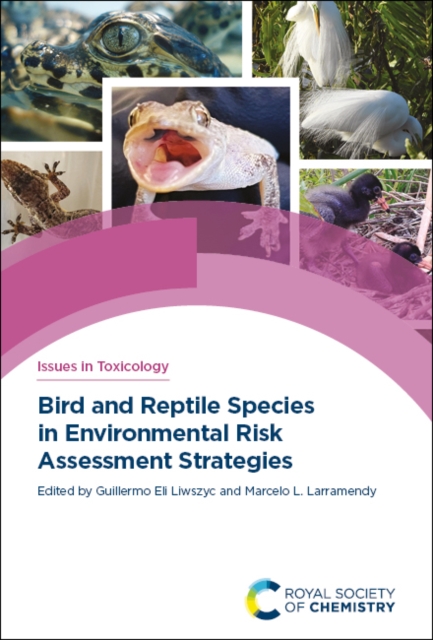
With the expansion of human settlements and the environmental changes brought on by human activity and pollutants, toxicology and risk assessment of bird and reptile species is becoming increasingly of interest to toxicologists involved in environmental research.
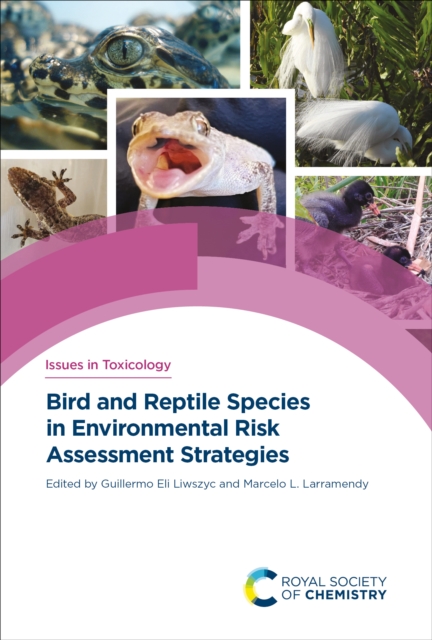
With the expansion of human settlements and the environmental changes brought on by human activity and pollutants, toxicology and risk assessment of bird and reptile species is becoming increasingly of interest to toxicologists involved in environmental research.
This volume details technologies on recombinant DNA and nucleic acid manipulation that underpin much of the biological sciences and instructions on how to conduct them successfully.
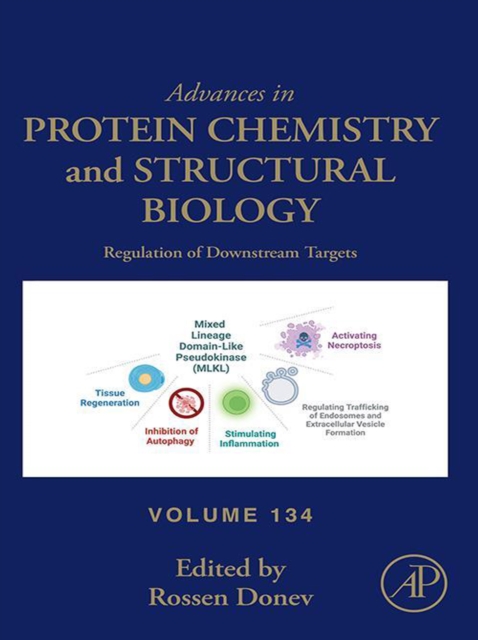
Regulation of Downstream Targets, Volume 134 in the Advances in Protein Chemistry and Structural Biology series, presents interesting chapters on topics such as Transcriptional regulatory mechanisms and signaling networks in Viral Infections, Identification of potential key genes associated with pathogenesis and prognosis of endometrial cancer based on Integrated Bioinformatics Approaches, Differential regulation of genes in stage IB pancreatic cancer associated with increased risk of metastasis, AMPK-related LKB1-downstream targets, A compilation of bioinformatic approaches to identify novel downstream targets for the detection and prophylaxis of cancer, Protein phosphatases and their targets: Critical determinants of signaling pathway in plants, and more.
The Flax Genome is a comprehensive compilation of most recent studies focused on reference genome, genetic resources and molecular diversity, breeding, QTL mapping, gene editing tools, functional genomics and metabolomics, molecular breeding via genomic selection, and genomic resources.
This new comprehensive two-volume set, Molecular Genetics, Structures, Mechanisms, and Functions, covers all the classical and advanced aspects of molecular genetics and gene manipulation, putting this information in one place for beginners, experts, and those venturing into the fascinating science of molecular biology.
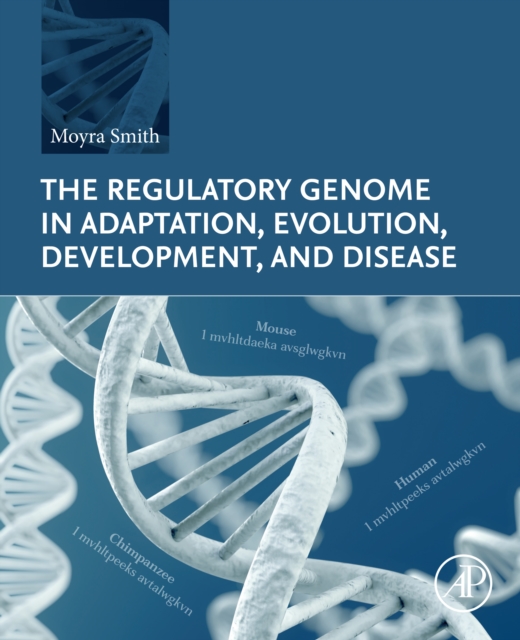
The Regulatory Genome in Adaptation, Evolution, Development, and Disease synthesizes insights from recent genomic and gene expression studies across organisms, from humans to plants, animals, and single cell life, exploring common roles gene regulation plays in adaptive evolution, developmental biology and susceptibility to disease.
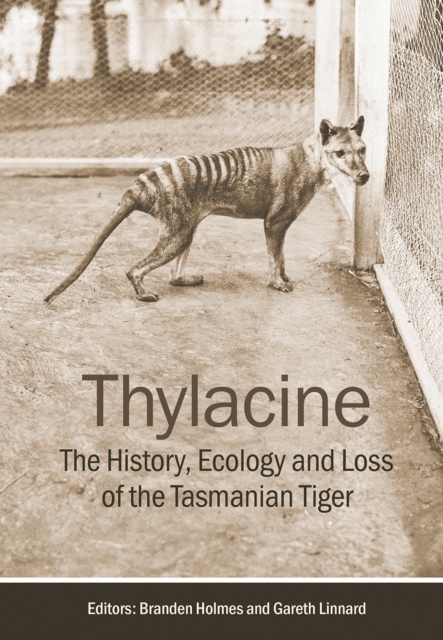
Until the mid-20th century, the thylacine was the world's largest carnivorous marsupial, and its disappearance has left many questions and contradictions.
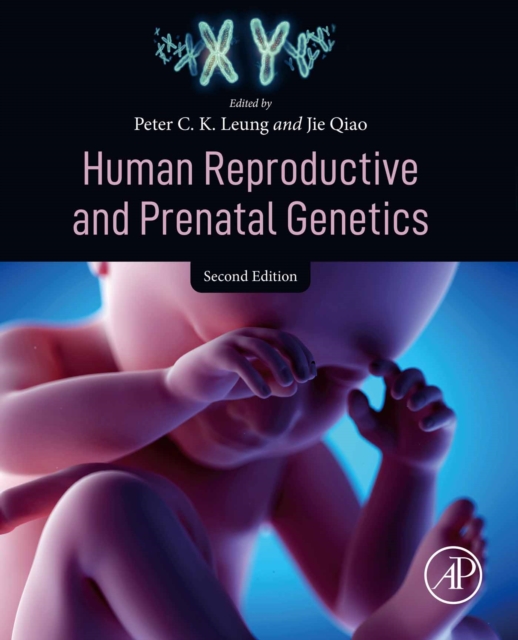
**Selected for Doody's Core Titles(R) 2024 in Clinical Genetics**Human Reproductive and Prenatal Genetics, Second Edition provides application-driven coverage of key topics in human reproductive and prenatal genetics, including genetic control underlying the development of the reproductive tracts and gametogenesis, the genetics of fertilization and implantation, the genetic basis of female and male infertility, as well as genetic and epigenetic aspects of assisted reproduction.
Enhancing Fertility through Functional Medicine: Using Nutrigenomics to Solve 'Unexplained' Infertility provides cutting-edge information and solutions to help support the worldwide rise of fertility challenges.
Forensic DNA Trace Evidence Interpretation: Activity Level Propositions and Likelihood Ratios provides all foundational information required for a reader to understand the practice of evaluating forensic biology evidence given activity level propositions and to implement the practice into active casework within a forensic institution.
Enhancing Fertility through Functional Medicine: Using Nutrigenomics to Solve 'Unexplained' Infertility provides cutting-edge information and solutions to help support the worldwide rise of fertility challenges.
Forensic DNA Trace Evidence Interpretation: Activity Level Propositions and Likelihood Ratios provides all foundational information required for a reader to understand the practice of evaluating forensic biology evidence given activity level propositions and to implement the practice into active casework within a forensic institution.
Very Short Introductions: Brilliant, Sharp, Inspiring In this exploration of the concept of the gene, Jonathan Slack looks at the discovery, nature, and role of genes in both evolution and development.
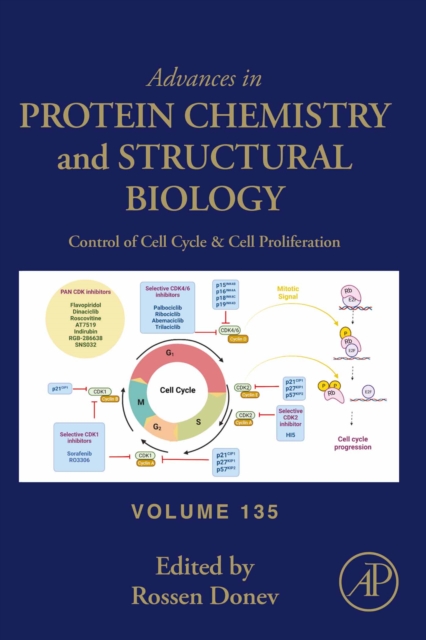
Control of Cell Cycle and Cell Proliferation, Volume 135 in the Advances in Protein Chemistry and Structural Biology series, presents chapters on a variety topics, including Exploiting pivotal mechanisms behind the senescence-like cell cycle arrest, Viral infection on through Cell Cycle Regulation, Analyzing drug resistant mutation in CDK4 gene and identification of potential inhibitors through structure based virtual screening approach, Controlling cell proliferation by targeting CDK6 using drug repurposing approach, The role of the nucleolus in regulating cell cycle, Chromatin regulators in DNA replication and genome stability maintenance during S-phase, Role of macrophage in cancer cell progression and targeted immunotherapies, and much more.
This new volume provides an up-to-date understanding of the numerous classes of plant transposable elements, the mobile units of DNA that comprise large portions of plant genomes, which are an important contributor for gene and genome evolution.
With over 820 million people facing hunger in todays world, the need of the hour is the design of plant varieties with high yield, improved traits, and resistance properties in order to mitigate the detrimental impacts of biotic and abiotic stress conditions on food crops.
With over 820 million people facing hunger in todays world, the need of the hour is the design of plant varieties with high yield, improved traits, and resistance properties in order to mitigate the detrimental impacts of biotic and abiotic stress conditions on food crops.
This new volume provides an up-to-date understanding of the numerous classes of plant transposable elements, the mobile units of DNA that comprise large portions of plant genomes, which are an important contributor for gene and genome evolution.
Research Advances in Genetics and Genomics: Implications for Psychiatry introduces mental health professionals to exciting breakthroughs in endophenotypes, animal models, microarrays, and genetic mapping, as well as general strategies for identifying the genetic mechanisms of mental illnesses.
An engaging journey into the biological principles underpinning a beloved science-fiction franchiseIn Star Trek, crew members travel to unusual planets, meet diverse beings, and encounter unique civilizations.
This engaging and easy-to-use natural history guidebook provides a thorough overview of native and honey bee biology and offers tools for identifying the most common bees of California and the Western United States.
This book describes the current understanding of symptoms, diagnosis, mode of transmission, and treatments of four important intestinal diseases, taking into consideration the molecular interactions between host cells and infectious agents.
This book describes how obesity results from an imbalance between the intake of food energy and the expenditure of energy from physical activity and increases the risk of serious health problems including heart disease, stroke, osteoarthritis, and several types of cancer.
Long-Range Control of Gene Expression covers the current progress in understanding the mechanisms for genomic control of gene expression, which has grown considerably in the last few years as insight into genome organization and chromatin regulation has advanced.
The field of genetics is rapidly evolving and new medical breakthroughs are occurring as a result of advances in knowledge gained from genetics research.
Virus Taxonomy is a standard and comprehensive source for the classification of viruses, created by the International Committee of the Taxonomy of Viruses.
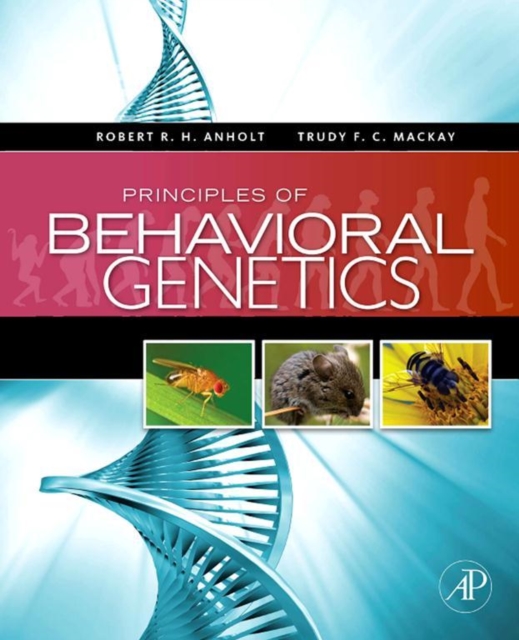
Principles of Behavioral Genetics provides an introduction to the fascinating science that aims to understand how our genes determine what makes us tick.
Environmental Epigenetics in Toxicology and Public Health provides in-depth discussions of the suite of complex environmental factors shown to impact epigenetic components within the cell, as well as evidence that these epigenetic modifications are tied to early and later life health effects.
Twin and Family Studies of Epigenetics, Volume 27, the latest release in the Translational Epigenetics series, gathers expert opinions on epigenetic twin and family study research methods, recent findings across various disease areas, and future directions.
Genetically Modified Plants, Second Edition, provides an updated roadmap and science-based methodology for assessing the safety of genetic modification technologies, as well as risk assessment approaches from regulators across different agroecosystems.
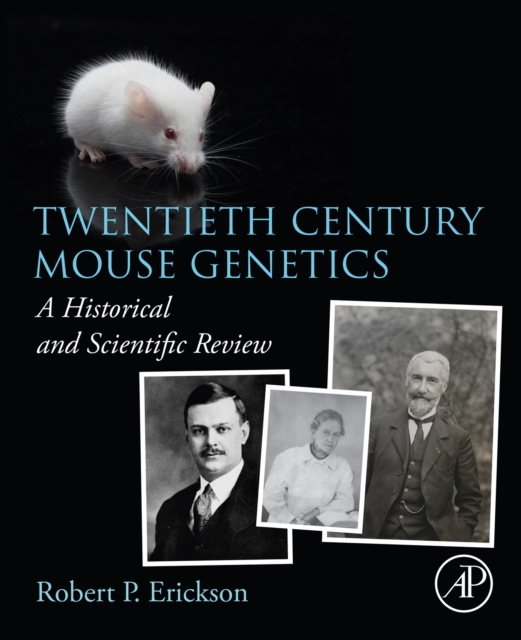
Twentieth Century Mouse Genetics: A Historical and Scientific Review provides a comprehensive examination of key advances in mouse genetics throughout the 20th century.