Reciprocity in Population Biobanks: Relational Autonomy and the Duty to Inform in the Genomic Era begins by discussing how current judicial interpretation keeps standard of disclosure at the core of genomic research.
Advances in Genetics provides the latest information on the rapidly evolving field of genetics, presenting new medical breakthroughs that are occurring as a result of advances in our knowledge of the topic.
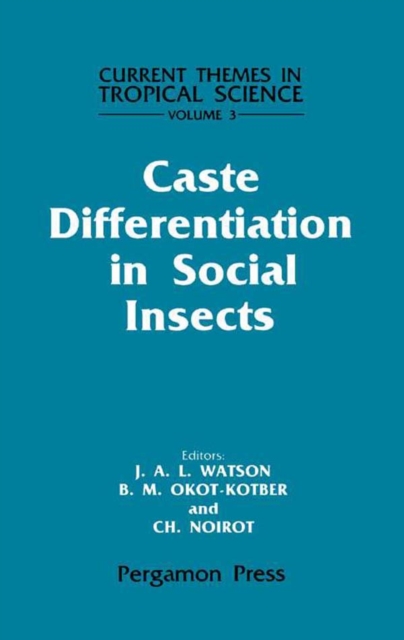
In more detail than has previously been available, this book comprehensively covers all the various mechanisms of caste differentiation in social insects.
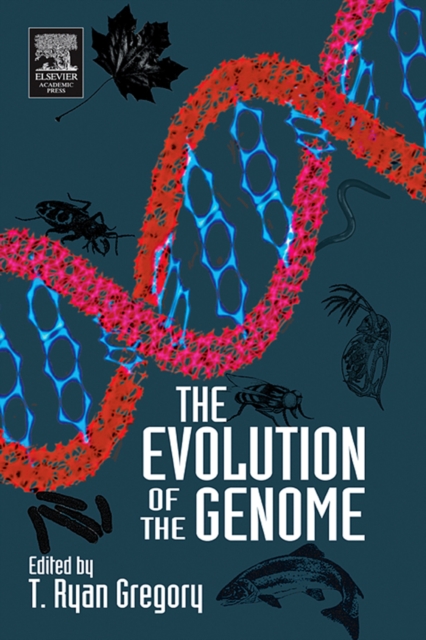
The Evolution of the Genome provides a much needed overview of genomic study through clear, detailed, expert-authored discussions of the key areas in genome biology.
This book presents work that has been conducted as part of the research project "e;Discourse on ethical questions of biomedicine"e; of the interdisciplinary Working Group Bioethics and Science Communication at the Max-Delbrueck-Center for Molecular Medicine (MDC)in Berlin-Buch, Germany.
In this book, the progress during the last ten years is reviewed and future plans outlined to realize and establish the concept of design in the biological sciences.
Gene Environment Interactions: Nature and Nurture in the Twenty-first Century offers a rare, synergistic view of ongoing revelations in gene environment interaction studies, drawing together key themes from epigenetics, microbiomics, disease etiology, and toxicology to illuminate pathways for clinical translation and the paradigm shift towards precision medicine.
Microbial Genomics: Host Adaptation, Virulence, and Evolution covers different aspects of microbial genomics, metagenomics, and functional studies of microbes that have provided a significant understanding of microbial-host interactions, virulence function, host adaptation mechanisms, including microbial evolution.
Concepts and techniques in genomics and proteomics covers the important concepts of high-throughput modern techniques used in the genomics and proteomics field.
This book provides a comprehensive exploration of plant functional traits and their critical role in understanding and predicting ecosystem functions in response to environmental changes.
The first modern scholarly synthesis of animal domesticationAcross the globe and at different times in the past millennia, the evolutionary history of domesticated animals has been greatly affected by the myriad, complex, and diverse interactions humans have had with the animals closest to them.
A provocative and timely case for how the science of genetics can help create a more just and equal societyIn recent years, scientists like Kathryn Paige Harden have shown that DNA makes us different, in our personalities and in our health-and in ways that matter for educational and economic success in our current society.
Structural genomics is the systematic determination of 3-D structures of proteins representative of the range of protein structure and function found in nature.
The endometrium goes through cyclical changes under the influence of hormones, and immune effectors in the endometrium change their populations cyclically as well.
Computational biology is a rapidly expanding field, and the number and variety of computational methods used for DNA and protein sequence analysis is growing every day.
Structural genomics is the systematic determination of 3-dimensional structures of proteins representative of the range of protein structure and function found in nature.
Specific complexes of protein and RNA carry out many essential biological functions, including RNA processing, RNA turnover, and RNA folding, as well as the translation of genetic information from mRNA into protein sequences.
Global climate change requires the development of programs that consider the active restoration of degraded forests and the use of native trees in afforestation to preserve the natural environment.
This book aims to be a comprehensive review of the literature on the conservation genetics of the New World crocodilians, from the biological and demographical aspects of the living species to the application of molecular techniques for conservation purposes.
A subgroup of homeobox genes, which play an important role in the developmental processes of a variety of multicellular organisms, Hox genes have been shown to play a critical role in vertebrate pattern formation.
This volume covers the current knowledge base on the role of signaling and environmental pathways that control the normal development of germline stem cells, meiotic progression of oocytes, events of oocyte maturation and fertilization, and the birth of an embryo.
This book is the first comprehensive volume on the genetics and genomics of pineapple and provides an overview of the current state of pineapple research.
Advances in genome-scale DNA sequencing technologies have revolutionized genetic research on ancient organisms, extinct species, and past environments.
This book focuses on the importance and roles of seed microbiomes in sustainable agriculture by exploring the diversity of microbes vectored on and within seeds of both cultivated and non-cultivated plants.
This book discusses the latest developments in plant-mediated fabrication of metal and metal-oxide nanoparticles, and their characterization by using a variety of modern techniques.
The genotype/phenotype dichotomy is being slowly replaced by a more complex relationship whereby the majority of phenotypes arise from interactions between one's genotype and the environment in which one lives.
With one volume each year, this series keeps scientists and advanced students informed of the latest developments and results in all areas of the plant sciences.
During the past 15 years, cellular and molecular approaches have emerged as valuable adjuncts to supplement and complement conventional breeding methods for a wide variety of crop plants.