'One of the clearest and best-illustrated attempts to explain the virtually inaccessible, the brain' SUNDAY TIMESBrain scans reveal our thoughts, memories - even our moods - as clearly as an X-ray reveals our bones.
Gap junctions between glial cells or neurons are ubiquitously expressed in the mammalian brain and play a role in brain development including cell differentiation, cell migration and survival, and tissue homeostasis, as well as in human diseases including hearing loss, neuropathies, epilepsy, brain trauma, and cardiovascular disease.
Early Detection of Alzheimer's Disease: Biological and Technological Advances aims to introduce to a wide audience the high global priority problem of detecting AD prior to dementia onset.
The Journey from Psychoanalysis to Group Analysis presents a selection of papers from Malcolm Pines's long career, documenting his profound contribution to group analysis and its applications.
Walter Isaacson's #1 New York Times bestselling history of our third scientific revolution: CRISPR, gene editing, and the quest to understand the code of life itself, is now adapted for young readers!
This is a book for those deconstructing their religious, nationalistic, socioeconomic, and occupational identities, and the subsequent stories we've come to believe about what kind of world we live in.
This highly influential updated explanation in a studied and expanded information, integrating major advances in the field of development-gives anyone (parents, educators, students) a current understanding of what brain development is, how the mind grows, and how to promote healthy development and resilience.
The Group Dimension presents a thorough exploration of the history and theory of the group dimension, particularly in the context of modern capitalist society.
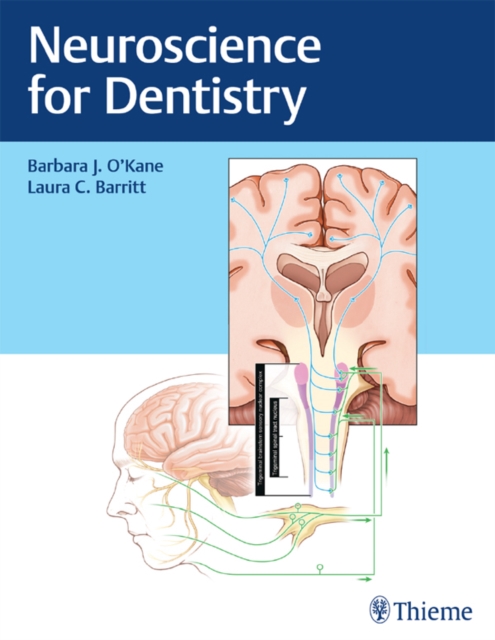
A practical, reader-friendly guide for dental students on the neuroscience of the orofacial regionUnderstanding neural mechanisms that control orofacial pain, proper masticatory function, taste, speech, swallowing, and proprioceptive input to the temporomandibular joint and teeth is an important facet of dentistry.
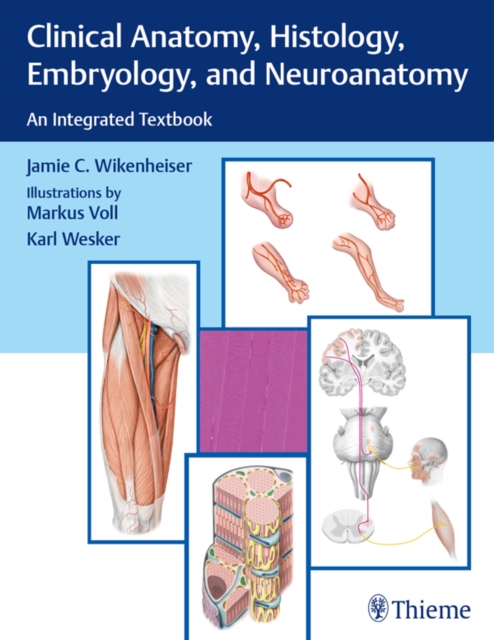
A beautifully illustrated, one-stop resource that bridges all four anatomical sciencesClinical Anatomy, Histology, Embryology, and Neuroanatomy: An Integrated Textbook by Jamie C.
Managerial Communication and the Brain takes a neuroscientific approach to explaining elements of effective managerial and leadership communication in a concise way, including communicating with various audiences and in a variety of situations managers and leaders face regularly.
Called the perfect childrens introduction to environmental issues by Fred Krupp, president of the Environmental Defense Fund, Our House Is Round gently guides young readers through a smartly narrated conversation illuminating the concept of global connection and environmental cause and effect.
Over the last several years developing human research suggests that a component of omega-3 fatty acids, long chain ones, contribute particularly to health benefits.
Mitochondria and Neurotoxicity, Volume Thirteen in the Advances in Neurotoxicology series, presents interesting chapters written by an international board of authors.
This book takes an in-depth look at the tradition of solving puzzles and considers the psychological cause and effect of the "e;Aha moment"e;: that familiar flash of sudden insight.
Neuroprotection has been placed on a firm scientific basis during the past decade due to an improved understanding of the molecular basis of neurological diseases and the knowledge that treatment of neurological disorders should not be merely symptomatic but preventative against the progression of the underlying disease, as well as regenerative.
Chocolate in Health and Nutrition represents the first comprehensive compilation of the newest data on the actions of the flavonoids and microorganisms associated with the beneficial effects of chocolate.
Music in the Human Experience: An Introduction to Music Psychology, Third Edition, explores the ways in which we make sense of music and how we respond to it-cognitively, physically, and emotionally.
A fun and fact-filled AZ treasury for anyone with a head on their shouldersNeuropedia journeys into the mysteries and marvels of the three pounds of tissue between your earsthe brain.
This authoritative reference provides a comprehensive examination of the nature and functions of attention and its relationship to broader cognitive processes.
Denis Noble Nearly a decade after completion of the first draft of the entire Human Genome sequence we are in a better position to assess the nature and the consequences of that heroic achievement, which can be seen as the culmination of the molecular biological revolution of the second half of the twentieth century.
Ischemic brain damage represents a major source of morbidity and mortality in westernized society and poses a significant financial burden on the health care system.
An exciting contribution to the field, Visual Dysfunction in Diabetes: The Science of Patient Impairment and Improvement is designed with two overriding objectives: to help readers understand the impact of vision impairment in people living daily with diabetes rather than considering diabetic retinopathy solely as a medical problem, and to explore what we know and don't know about the ways diabetes affect the eye.
This volume brings together leading authorities from multiple disciplines to examine the relationship between brain development and behavior in typically developing children.
Thoroughly examining brain-behavior relationships in atypically developing children, this important volume integrates theories and data from multiple disciplines.