Developing the second edition of Neural Development and Stem Cells was neces- tated by the rapid increase in our knowledge of the development of the nervous system.
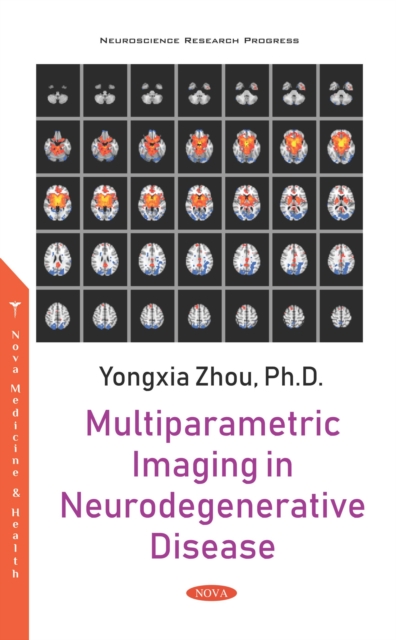
Bioimaging is in the forefront of medicine for the diagnosis and helps to predict the progression of AD via mild cognitive treatment of neurodegenerative disease.
Active neuroscientists survey NSCs as potential tools for central nervous system and spinal cord repair by explaining their clinically significant fundamental properties, manipulations, and potential therapeutic paradigms.
A comprehensive multidisciplinary review of the most relevant molecular, genetic, and behavioral approaches used to investigate the neurobiological basis of drug addiction.
In Glutamate and Addiction, world-renowned scientific experts critically review all of the evidence for the role of glutamatergic systems in opiate, stimulant, and alcohol addiction.
Leading neuroscience researchers offer a fresh perspective on neuronal function by examining all its many components-including their pertubation during major disease states-and relate each element to neuronal demands.
Stem Cells and CNS Development critically reviews recent findings on stem cells, their involvement in neurogenesis and gliogenesis, and the therapeutic implications of these findings.
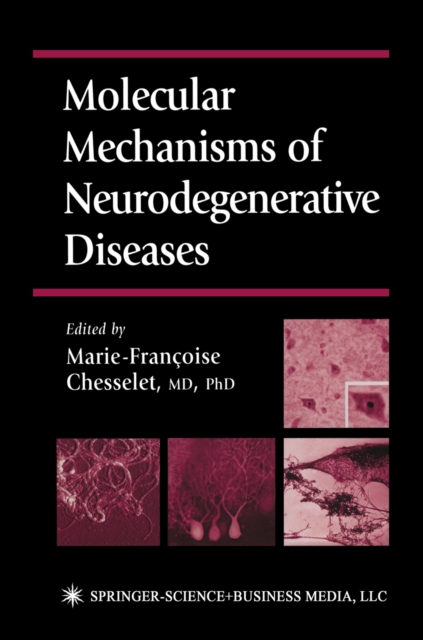
As the average life expectancy of many populations throughout the world increases, so to does the incidence of such age-related neurodegenerative disorders as Alzheimer's, Parkinson's, and Huntington's diseases.
A distinguished panel of internationally recognized neuroscientists comprehensively review the involvement of and changes in glial cells both during the normal aging process and in the major disorders of old age.
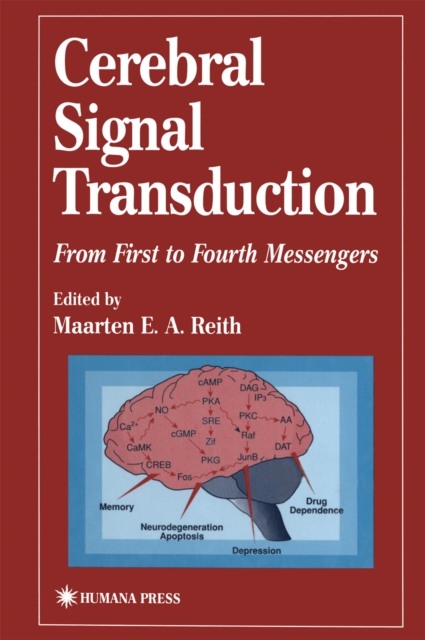
Since the pioneering discovery of cyclic AMP four decades ago, a multitude of signaling pathways have been uncovered in which an extracellular signal (first messenger) impacts the cell surface, thereby triggering a cascade that ultimately acts on the cell nucleus.
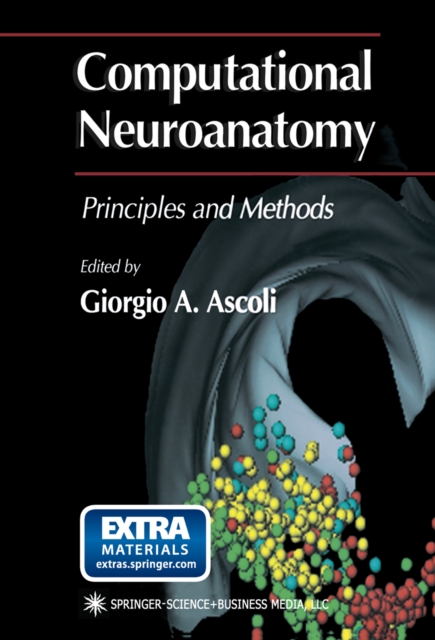
In Computational Neuroanatomy: Principles and Methods, the path-breaking investigators who founded the field review the principles and key techniques available to begin the creation of anatomically accurate and complete models of the brain.
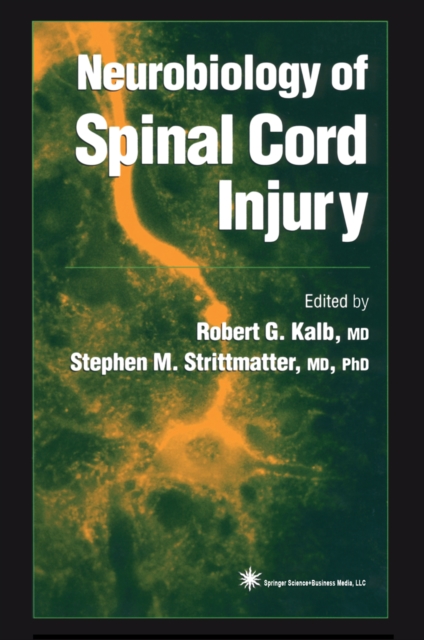
Distinguished researchers review the latest scientific understanding of spinal cord injury (SCI), focusing on the mechanisms causing paralysis after spinal cord trauma, the molecular determinants of neural regeneration, and methods for improving damaged function.
Thanks to the enormous progress of neuroscience over the past few decades, we can now monitor the passage of initial stimulations to certain points in the brain.
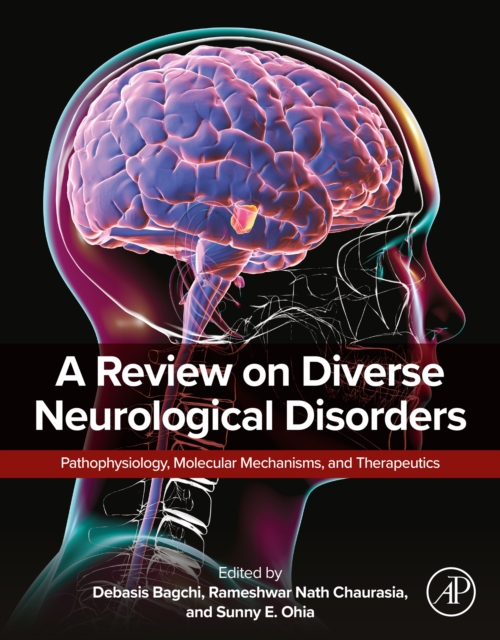
According to World Health Organization (WHO) one billion people worldwide are affected by one of the thousands of neurological disorders, including epilepsy, Alzheimer disease, strokes, and headaches.
Neurocysticercosis, a preventable parasitic infection of the central nervous system caused by tapeworm, is a serious, potentially fatal disease that can cause neurologic syndromes such as epileptic seizures.
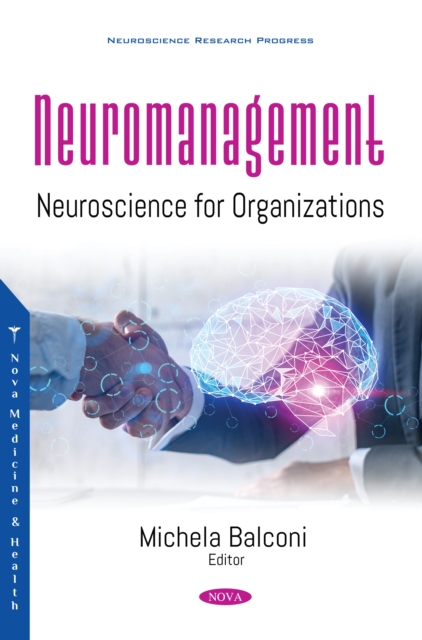
This book focuses on applying neuroscience to organizational and managerial contexts, observing its possible applications, present and future potentials, and highlighting the possible criticalities of using neuroscientific paradigms and techniques applied to the management field.
Multiple advanced neuroimaging applications in various neurodegenerative diseases including Parkinson's disease (PD), frontotemporal dementia (FTD), vascular dementia (VaD) and autism spectrum disorder (ASD) are covered in this book.
The well-known Alzheimer's Disease Neuroimaging Initiative (ADNI) Center provides the most advanced, comprehensive, multiparametric and up-to-date biomarkers for mild cognitive impairment (MCI) and early Alzheimer's disease (AD) projects, including neuroimaging, clinical assessments, biospecimens and genetic data.
This book provides comprehensive insights into emerging trends on calcium signaling in the nervous system from triggering signal transduction neuronal pathways to regulation of brain functions.
Amyotrophic Lateral Sclerosis: From Diagnosis to Treatment focuses on two aspects of neuroimaging related to amyotrophic lateral sclerosis that have greatly evolved in the last decades: the development of optical tools in the biology field and advances in the field of magnetic resonance imaging.
Understanding Children with Autism Spectrum Disorders first discusses auditory processing disorders are, specifically how auditory processing problems can affect children with autism spectrum disorders, and appropriate evidence-based treatments.
Neuroimaging techniques that can help elucidate and characterize the nature and mechanism of tissue injury and disease progression in neurodegenerative disease are of particular importance given its their roles in seeking successful preventive and therapeutic treatments.
Living with Huntington's Disease: Challenges, Perspectives and Quality of Life first discusses the variety of sleep disorders in Huntington's Disease, as well as how sleep quality can be associated with other important clinical symptoms.
"e;Brain mitochondria: Distribution and Function"e; offers an overview of significant findings regarding physiological, toxicological and pathological aspects of brain mitochondria properties and their relevant role in cellular bioenergetics.
This book provides a thoroughly revised, invaluable resource for university students and researchers in the life sciences, medicine and related fields.
Resilience is a construct that involves different responses of living animals to withstand challenges in the "e;internal milieu"e; and/or from the environment.
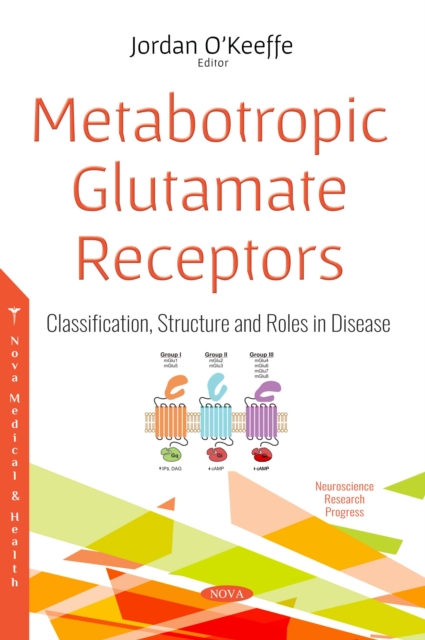
Metabotropic Glutamate Receptors: Classification, Structure and Roles in Disease focuses on Glutamate (Glu), a neurotransmitter/neuromodulator the most widely present in neurons of excitatory pathways, both in the central and peripheral nervous system.
This middle grade adaptation of Our Dogs, Ourselves is an eye-opening, entertaining, and beautifully illustrated look at humans' complicated and sometimes contradictory relationship with man's best friend by New York Times bestselling author of Inside of a Dog.
Neuroinformatics presents cutting-edge techniques for the synergistic study of neuroinformatics, thereby facilitating the efforts of discovery neuroscience through the sharing of data and the use of computational models.