Since information in the brain is processed by the exchange of spikes among neurons, a study of such group dynamics is extremely important in understanding hippocampus dependent memory.
The study of how the brain processes temporal information is becoming one of the most important topics in systems, cellular, computational, and cognitive neuroscience, as well as in the physiological bases of music and language.
Phospholipases generate lipid signaling molecules through their hydrolytic action on phospholipids and are known to regulate function of a variety of cells under normal and diseased conditions.
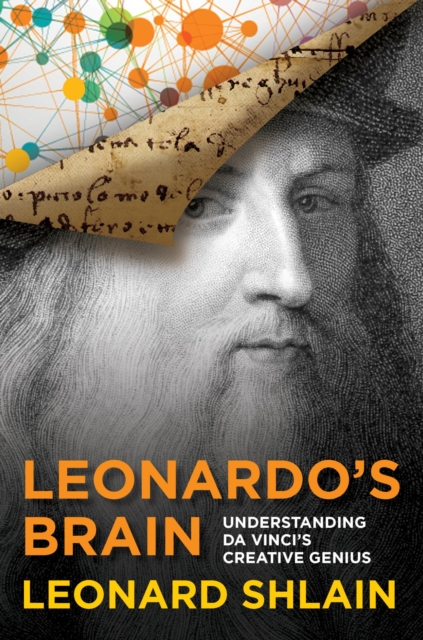
Best-selling author Leonard Shlain explores the life, art, and mind of Leonardo da Vinci, seeking to explain his singularity by looking at his achievements in art, science, psychology, and military strategy and then employing state of the art left-right brain scientific research to explain his universal genius.
The fundamental principles that explain the heretofore mysterious phenomena of consciousness are: (1) Consciousness is energies of the environment, and energies developed in intrafusal muscle spindles are conscious experience, and (2) the experience occurring as the developed energies, depending on purpose and intensity, are detected by muscle receptors.
This text highlights the endogenous regenerative potential of the central nervous system in neonates and juveniles and discusses possible ways it might be manipulated for medical purposes.
The latest in a series of books from the International Hypoxia Symposia, this volume spans reviews on key topics in hypoxia, and abstracts from poster and oral presentations.
Translational Neuroscience offers a far-reaching and insightful series of perspectives on the effort to bring potentially revolutionary new classes of therapies to the clinic, thereby transforming the treatment of human nervous system disorders.
The past decade has brought important advances in our understanding of the brain, particularly its influence on the behavior, emotions, and personality of children and adolescents.
Over the past two decades researchers and clinicians in the neurosciences have witnessed a literal information explosion in the area of brain imaging and neuropsychological functioning.
The traveller to India is urged to visit that country's western shore with the Arabian Sea where, about 300 miles to the south of Bombay, an exceedingly lovely coast reaches the peak of its harmony at the erstwhile Portuguese enclave of Goa.
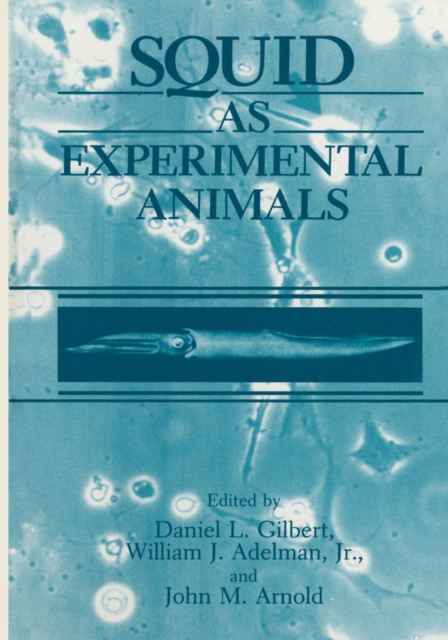
The predecessor to this book was A Guide to the Laboratory Use of the Squid Loligo pealei published by the Marine Biological Laboratory, Woods Hole, Massachusetts in 1974.
Based on a large variety of experiments on both humans and animals, this volume presents novel conceptualizations of the organizing consequences of hormones throughout the lifespans of mammals.
Psychotherapy research is undoubtedly one of the most puzzling, diverse, com- plex, controversial, and multidimensional areas tackled by clinical psycholo- gists, psychiatrists, and psychiatric social workers.
The Third International Conference on Synthetic Microstructures in Biological Research (SMIBR) was held in Williamsburg, Virginia, September 9-12, 1991.
This volume is based on the proceedings of a NATO Advanced Research Workshop on Slow Potential Changes in the Human Brain that was held at II Ciocco, Tuscany, Italy over the period 13-16th May, 1990.
In August of 1991, a second Dartmouth International Workshop on the corpus callosum was convened to share and discuss the progress that had been made over the decade that had passed following the first workshop.
In this volume of the series Human Brain Function: Assessment and Rehabilitation we cover the area of how brain function is assessed with behavioral or neuropsycholog- ical instruments.
Here is the first effort in a single volume to cover all of the integrative functions of calcium signalling - how changes in intracellular calcium coordinate a variety of coherent cellular responses.
The International Symposium on Prostaglandins and Related Compounds, first held in Vienna 1972, revisited the city after 24 years for the 10TH Symposium.
The author makes a unique contribution to the field by discussing the history and philosophy of the neurosciences, and then developing critical approaches which integrate techniques, theory, and ethics.
The focus of Volume I of the Handbook of Human Brain Function was on basic scientific principles of brain imaging as it relates to the study of human brain function.
Until recent advents in neuroimaging, the brain had been inaccessible to in vivo visualization, short of neurosurgical procedures or some unfortunate traumatic exposure.
Although a number of books have appeared on learning disabili- ties, we feel that the present book has two distinct features which are not found in most others.
How does the brain code and process incoming information, how does it recog- nize a certain object, how does a certain Gestalt come into our awareness?
This volume describes the current state of our knowledge on the neurobiology of muscle fatigue, with consideration also given to selected integrative cardiorespiratory mechanisms.