FIVE VISUALISATION TECHNIQUES TO MASTER YOUR MIND, BUILD CONFIDENCE AND ENHANCE PERFORMANCEWe all have habits and behaviours that hold us back from reaching our fullest potential.
Cortical Functions is a companion to Kevin Silber's series title, The Physiological Basis of Behaviour and concentrates on the cerebral cortex, its structure, connections, functions and dysfunctions.
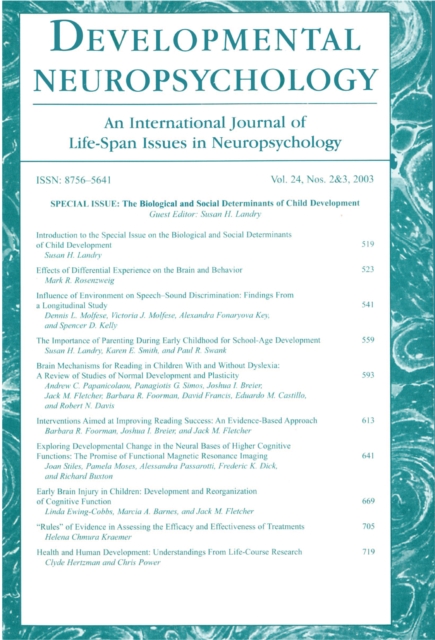
The Biological and Social Determinants of Child Development stimulates cross-disciplinary communication and research collaboration in the field of child development.
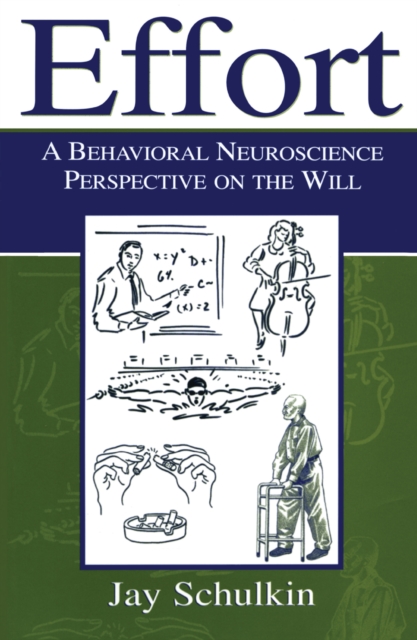
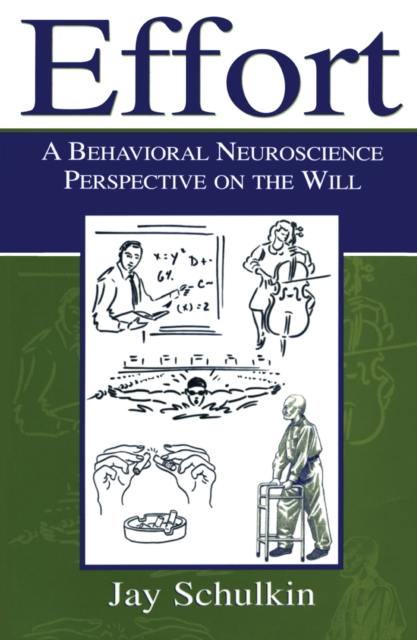
In Effort: A Behavioral Neuroscience Perspective on the Will, author Jay Schulkin presents a two-fold thesis: there is no absolute separation of the cognitive and non-cognitive brain, and there are diverse cognitive systems, many of which are embodied in motor systems that underlie self-regulation.
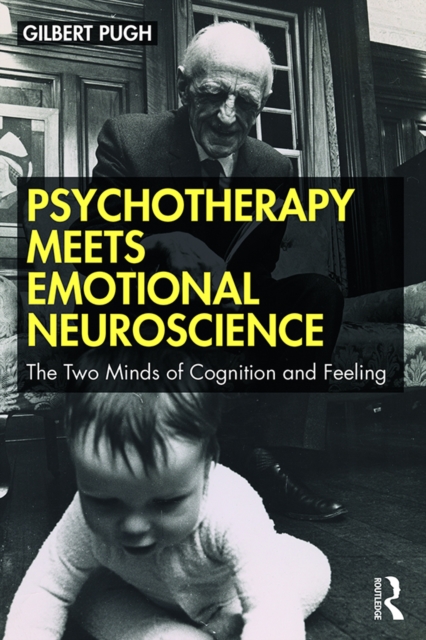
Psychotherapy Meets Emotional Neuroscience: The Two Minds of Cognition and Feeling introduces new insights from the neurosciences into the nature of our emotions and feelings, and argues for a more empathetic approach to psychotherapy as a result.
Psychotherapy Meets Emotional Neuroscience: The Two Minds of Cognition and Feeling introduces new insights from the neurosciences into the nature of our emotions and feelings, and argues for a more empathetic approach to psychotherapy as a result.
Neuroanatomy and Physiology of Abdominal Vagal Afferents provides a concise, up-to-date selection of focused reviews of vagal sensory participation in control of gastrointestinal function and behavior.
The Idea of Consciousness examines the problem of how the working of synaptic connections might give rise to consciousness, and describes the current neuroscientific concepts and techniques used to identify and explore those parts of the brain that may be involved.
Cortical Functions is a companion to Kevin Silber's series title, The Physiological Basis of Behaviour and concentrates on the cerebral cortex, its structure, connections, functions and dysfunctions.
The Biological and Social Determinants of Child Development stimulates cross-disciplinary communication and research collaboration in the field of child development.
In Effort: A Behavioral Neuroscience Perspective on the Will, author Jay Schulkin presents a two-fold thesis: there is no absolute separation of the cognitive and non-cognitive brain, and there are diverse cognitive systems, many of which are embodied in motor systems that underlie self-regulation.
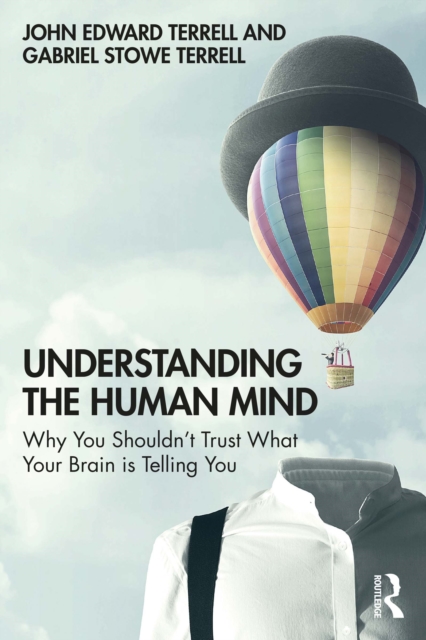
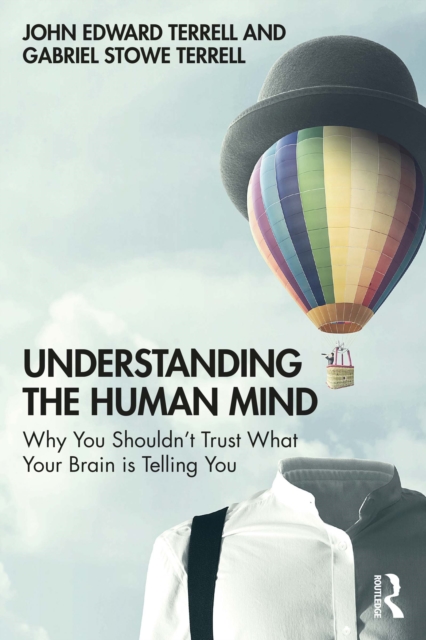
Drawing on current research in anthropology, cognitive psychology, neuroscience, and the humanities, Understanding the Human Mind explores how and why we, as humans, find it so easy to believe we are right-even when we are outright wrong.
Drawing on current research in anthropology, cognitive psychology, neuroscience, and the humanities, Understanding the Human Mind explores how and why we, as humans, find it so easy to believe we are right-even when we are outright wrong.
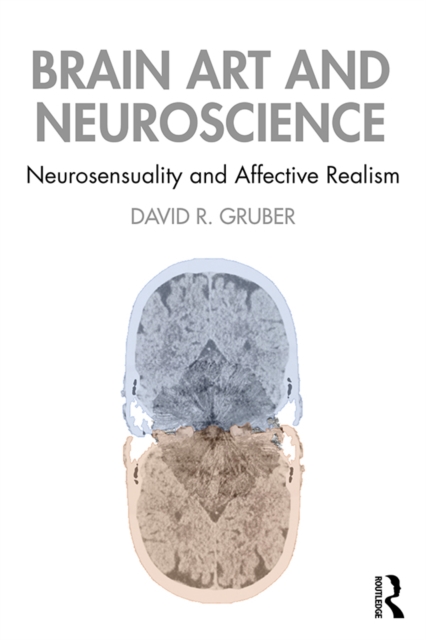
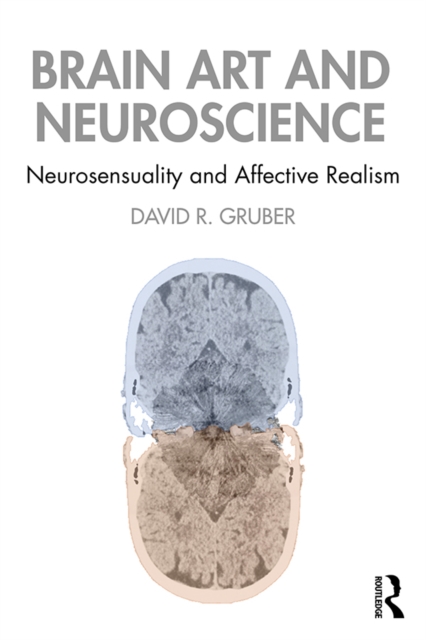
The first of its kind, this book examines artistic representations of the brain after the rise of the contemporary neurosciences, examining the interplay of art and science and tackling some of the critical-cultural implications.
The first of its kind, this book examines artistic representations of the brain after the rise of the contemporary neurosciences, examining the interplay of art and science and tackling some of the critical-cultural implications.
Why Love Matters explains why loving relationships are essential to brain development in the early years, and how these early interactions can have lasting consequences for future emotional and physical health.
The Art of Possible reveals how the most unlikely of catalysts lead Kate Tojeiro to write a book about her experiences from working with some of the world's greatest leaders to interviewing the elite in sport and many inspirational people from all walks of life.
Biomedical Imaging: Applications and Advances discusses the technologies and latest developments in the increasingly important field of imaging techniques for the diagnosis of disease, monitoring of medical implants, and strategies for personalized medicine.
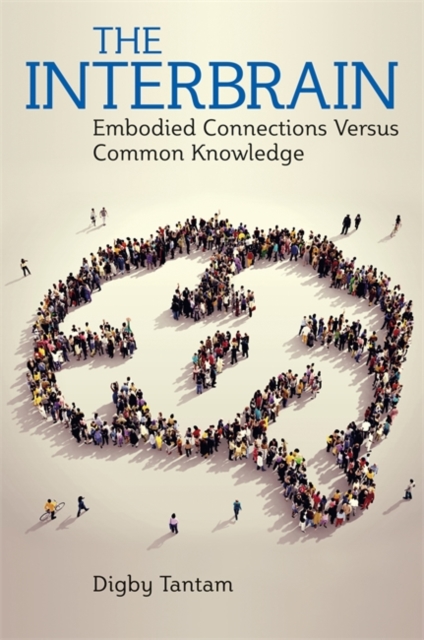
Digby Tantam presents the ground-breaking theory of the interbrain, the idea that human beings are endlessly connected by a continuous interplay of non-verbal communication of which we are unaware.