Alternative Methods in Neurotoxicology, Volume Nine, the latest release in this series, provides an overview of important in vitro and non-vertebrate animal models available to study the neurotoxicity of a range of toxicants of occupational and environmental relevance.
Cell Transplantation and Gene Therapy in Neurodegenerative Disease, Volume 166 in the International Review of Neurobiology series, highlights new advances in the field with this new volume presenting interesting chapters written by an international board of authors who cover Challenges in translating a cell therapy to GMP, The challenges in developing a cell therapy for Huntington's disease, Challenges of cell therapies for retinal diseases, Challenges of gene therapy in Huntington's Disease, Technological advances and barriers to gene therapy, Considerations in the development of cell therapy modulation for spinal cord injury treatment, Challenges of developing glial cell therapy for ALS, and more.
The opening of this vital new book centers on a series of graves memorializing baboons killed near Amboseli National Park in Kenya in 2009--a stark image that emphasizes both the close emotional connection between primate researchers and their subjects and the intensely human qualities of the animals.
In this shortform book, Sun, French, and Unnithan explore state- of- the- art optical recording techniques, with a focus on the revolutionary miniaturized fluorescence microscope - the miniscope - for real- time and in vivo monitoring of multi- neuronal dynamics during cognition- related events.
Biomedical Imaging: Applications and Advances discusses the technologies and latest developments in the increasingly important field of imaging techniques for the diagnosis of disease, monitoring of medical implants, and strategies for personalized medicine.
Learning Deep Brain Stimulation Management through Clinical Cases reviews the clinical practice of applying deep brain stimulation (DBS) to patients with movement disorders.
Learning Deep Brain Stimulation Management through Clinical Cases reviews the clinical practice of applying deep brain stimulation (DBS) to patients with movement disorders.
Dieses Buch untersucht die besten verfügbaren empirischen Beweise für eine der schwierigsten und allgegenwärtigsten Fragen in allen Zeitaltern, Kulturen und Religionen: das Überleben des menschlichen Bewusstseins nach dem Tod.
According to the OECD (Organization for Economic Cooperation and Development), in the21st century, we are living in a New Age of Biology, acknowledging the rapid developmentof transformative findings in the life sciences.
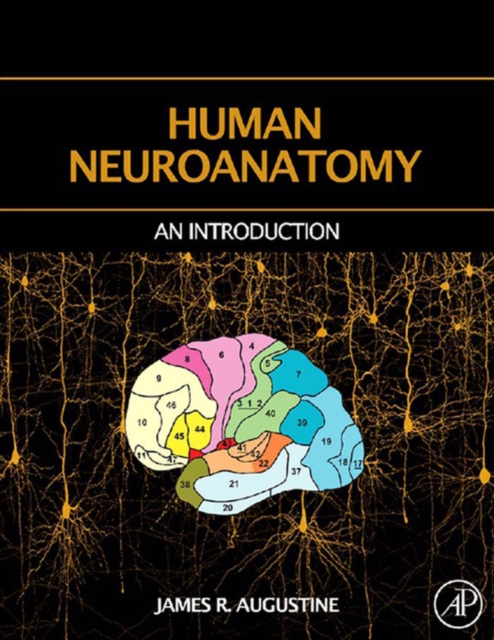
Human Neuroanatomy provides a thorough and comprehensive overview of the human brain and spinal cord for medical and graduate students as well as residents in the clinical neurosciences.
A leading neuroscientist offers a history of the evolution of the brain from unicellular organisms to the complexity of animals and human beings today
Renowned neuroscientist Joseph LeDoux digs into the natural history of life on earth to provide a new perspective on the similarities between us and our ancestors in deep time.
Neuroimaging, Part Two, a volume in The Handbook of Clinical Neurology series, illustrates how neuroimaging is rapidly expanding its reach and applications in clinical neurology.
Neuroimaging, Part One, a text from The Handbook of Clinical Neurology illustrates how neuroimaging is rapidly expanding its reach and applications in clinical neurology.
A fun and fact-filled AZ treasury for anyone with a head on their shouldersNeuropedia journeys into the mysteries and marvels of the three pounds of tissue between your earsthe brain.
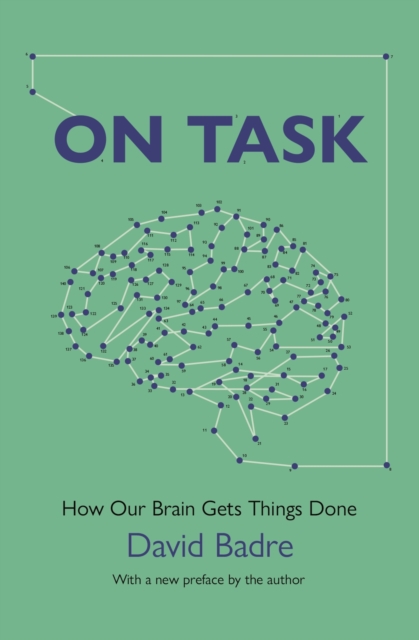
A look at the extraordinary ways the brain turns thoughts into actions-and how this shapes our everyday livesWhy is it hard to text and drive at the same time?
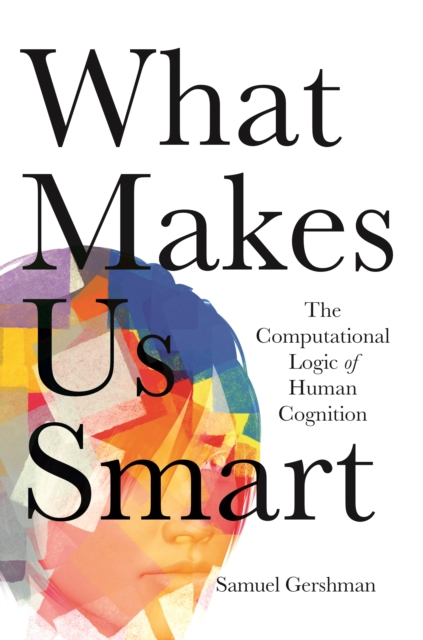
How a computational framework can account for the successes and failures of human cognitionAt the heart of human intelligence rests a fundamental puzzle: How are we incredibly smart and stupid at the same time?
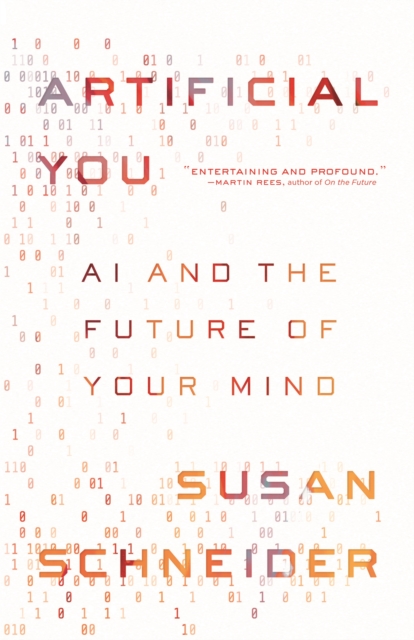
Hailed by the Washington Post as "e;a sure-footed and witty guide to slippery ethical terrain,"e; a philosophical exploration of AI and the future of the mind that Astronomer Royal Martin Rees calls "e;profound and entertaining"e;Humans may not be Earth's most intelligent beings for much longer: the world champions of chess, Go, and Jeopardy!
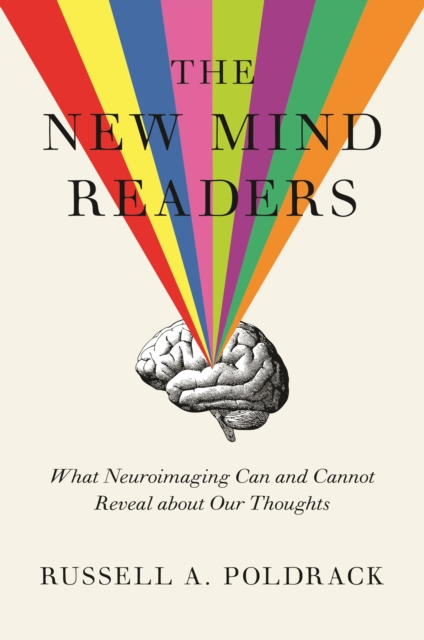
A revealing insider's account of the power-and limitations-of functional MRIThe ability to read minds has long been a fascination of science fiction, but revolutionary new brain-imaging methods are bringing it closer to scientific reality.
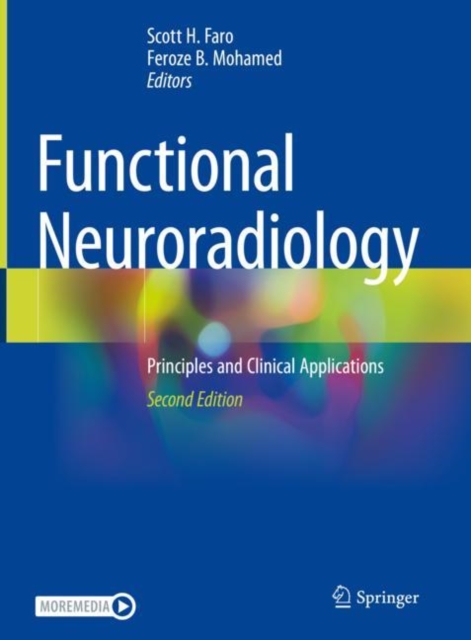
This new edition fully updates and expands Faro and Mohamed's Functional Neuroradiology, a gold standard, comprehensive introduction to the state-of-the-art functional imaging in neuroradiology, including the physical principles and clinical applications of Diffusion, Perfusion, Permeability, MR spectroscopy, Positron Emission Tomography, BOLD fMRI and Diffusion Tensor Imaging.
Neuroimaging, Part One, a text from The Handbook of Clinical Neurology illustrates how neuroimaging is rapidly expanding its reach and applications in clinical neurology.
Cytokines had been characterized in the early eighties as communication mole- cules between immune cells, and between immunocytes and other peripheral cells, such as fibroblasts and endothelial cells.
Human consumption is multi- faceted and so requires inter- disciplinary exploration in order to explain a spectrum of experiences that is at once particular and allpervading.