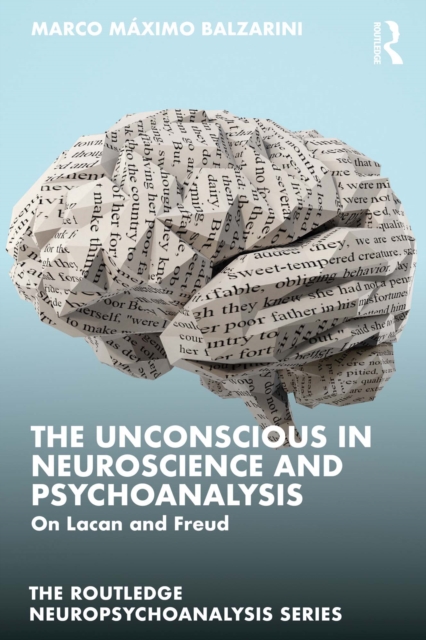
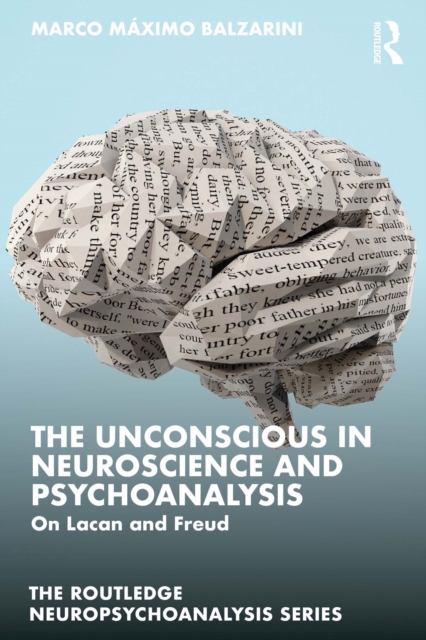
The Unconscious in Neuroscience and Psychoanalysis presents a unique and provocative approach to the assimilation of these two disciplines while offering a thorough assessment of the unconscious from a neuropsychoanalytic and Lacanian perspective.
The Unconscious in Neuroscience and Psychoanalysis presents a unique and provocative approach to the assimilation of these two disciplines while offering a thorough assessment of the unconscious from a neuropsychoanalytic and Lacanian perspective.
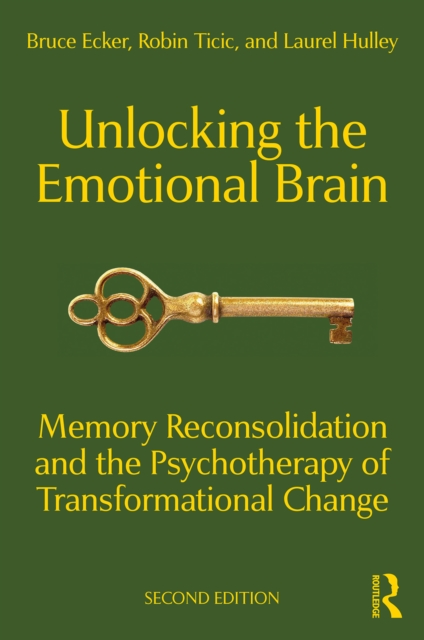
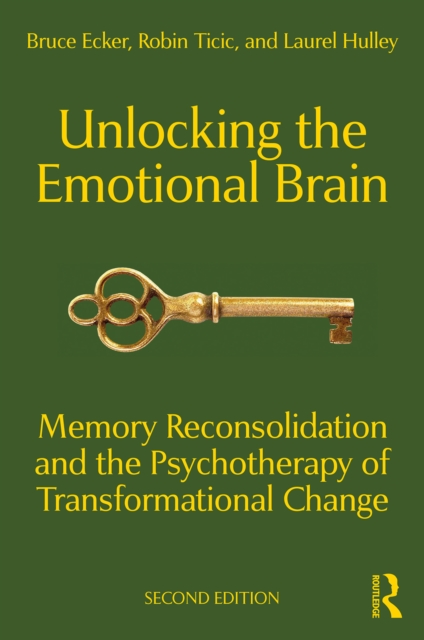
This highly influential volume, now in a much-expanded second edition, delivers major advances for psychotherapy, all empirically grounded in memory reconsolidation neuroscience.
This highly influential volume, now in a much-expanded second edition, delivers major advances for psychotherapy, all empirically grounded in memory reconsolidation neuroscience.
This fully updated volume provides an up-to-date and comprehensive overview of the current state of technologies helping to accelerate Alzheimer's disease drug development.
This fully updated volume provides an up-to-date and comprehensive overview of the current state of technologies helping to accelerate Alzheimer's disease drug development.
This volume contains cutting-edge molecular biology methods on neuroprotective mechanisms and specific preclinical models of the CNS injury, iseases and planning translation.
This volume contains cutting-edge molecular biology methods on neuroprotective mechanisms and specific preclinical models of the CNS injury, iseases and planning translation.
The world's top experts take readers to the very frontiers of brain scienceIncludes a chapter by 2014 Nobel laureates May-Britt Moser and Edvard MoserAn unprecedented look at the quest to unravel the mysteries of the human brain, The Future of the Brain takes readers to the absolute frontiers of science.
HIV-Associated Neurocognitive Disorders: Molecular and Cellular Mechanisms and Clinical Manifestations is a comprehensive volume on the field of HIV-Associated Neurocognitive Disorders (HAND) as well as its associated comorbidities.
Microbiota Brain Axis: A Neuroscience Primer provides neuroscience researchers with a comprehensive guide on how to conduct effective microbiota-brain research, understand the appropriate methodologies, and collect and analyze microbiota data.
Microbiota Brain Axis: A Neuroscience Primer provides neuroscience researchers with a comprehensive guide on how to conduct effective microbiota-brain research, understand the appropriate methodologies, and collect and analyze microbiota data.
HIV-Associated Neurocognitive Disorders: Molecular and Cellular Mechanisms and Clinical Manifestations is a comprehensive volume on the field of HIV-Associated Neurocognitive Disorders (HAND) as well as its associated comorbidities.
The field of muscular dystrophies has expanded significantly with the discovery of the genetic defects and protein products underlying these disorders.
This book synthesizes knowledge about the myriad ways music can support the physical and psychosocial needs of people living with neurological diagnoses.
This book brings together the exciting new findings that will bring us closer to a better understanding of the alterations of neuronal connectivity in autistic brains.
Translational Approaches to Non-Motor Symptoms of Neurodegenerative Diseases, Volume 173 in the International Review on Neurobiology series, highlights new advances in the field with this new volume presenting interesting chapters on topics such as A general clinical overview of the non-motor symptoms, Stress/fatigue/cognitive decline Sleep/autonomic failure, A general clinical overview of the non-motor symptoms - psychiatric symptoms, Psychosis, Cognitive Decline, Non-clinical Aspect of non-motor symptoms: Animal Models, Assessment and treatment of cognitive decline in rodent and primate models, Pain in PD models, Affective disorders in PD models, Sleep and circadian dysregulation and EEG disruption in rodent models, and much more.
The field of muscular dystrophies has expanded significantly with the discovery of the genetic defects and protein products underlying these disorders.
This book synthesizes knowledge about the myriad ways music can support the physical and psychosocial needs of people living with neurological diagnoses.
This book brings together the exciting new findings that will bring us closer to a better understanding of the alterations of neuronal connectivity in autistic brains.
Translational Approaches to Non-Motor Symptoms of Neurodegenerative Diseases, Volume 173 in the International Review on Neurobiology series, highlights new advances in the field with this new volume presenting interesting chapters on topics such as A general clinical overview of the non-motor symptoms, Stress/fatigue/cognitive decline Sleep/autonomic failure, A general clinical overview of the non-motor symptoms - psychiatric symptoms, Psychosis, Cognitive Decline, Non-clinical Aspect of non-motor symptoms: Animal Models, Assessment and treatment of cognitive decline in rodent and primate models, Pain in PD models, Affective disorders in PD models, Sleep and circadian dysregulation and EEG disruption in rodent models, and much more.
Although organic acids have been used to counteract pathogens in food for many years, there is a glaring need to assess and improve their continued effectiveness and sustainability.
The Routledge International Handbook of Clinical Hypnosis explores and clarifies the challenge of defining what hypnosis is and how best to integrate it into treatment.
Huntington's disease (HD) is one of the most common dominantly inherited neurodegenerative disorders, characterized by a clinical trial of movement disorder, cognitive deficits, and psychiatric symptoms.
Human consumption is multi- faceted and so requires inter- disciplinary exploration in order to explain a spectrum of experiences that is at once particular and allpervading.
This book presents consciousness models from Eastern and Western perspectives that accommodate current scientific research in the natural sciences and humanities, from neurological experiments through philosophical enquiries to spiritual approaches.
This third edition of Drugs, the Brain, and Behavior provides a comprehensive overview of the brain and explores the clinical and pharmacological issues surrounding drug abuse and dependence.