The Routledge International Handbook of Clinical Hypnosis explores and clarifies the challenge of defining what hypnosis is and how best to integrate it into treatment.
This insightful book offers an authoritative yet accessible introduction to the development of visual abilities and motor skills in infants and children.
This book presents consciousness models from Eastern and Western perspectives that accommodate current scientific research in the natural sciences and humanities, from neurological experiments through philosophical enquiries to spiritual approaches.
This third edition of Drugs, the Brain, and Behavior provides a comprehensive overview of the brain and explores the clinical and pharmacological issues surrounding drug abuse and dependence.
Huntington's disease (HD) is one of the most common dominantly inherited neurodegenerative disorders, characterized by a clinical trial of movement disorder, cognitive deficits, and psychiatric symptoms.
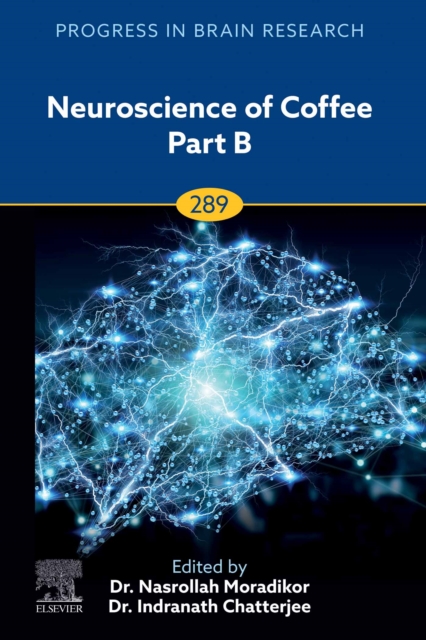
Neuroscience of Coffee, Volume 289 is a pioneering volume that delves into the intricate relationship between one of the world's most beloved beverages and the human brain.
This volume of the Handbook of Neurochemistry and Molecular Neurobiology characterizes pathologies resulting from traumatic brain and spinal cord injury as well as various neurodegenerative diseases, demyelinating diseases, viral infection, nervous system tumors, and neuropathies.
This book is an analysis and discussion of the soul as a psychophysical process and its role in mental representation, meaning, understanding and agency.
This volume will serve as a guide for students in the field of neurobiology, and be a bridge between basic science researchers, doctors, and surgeons in clinical practice.
This book is an analysis and discussion of the soul as a psychophysical process and its role in mental representation, meaning, understanding and agency.
This volume will serve as a guide for students in the field of neurobiology, and be a bridge between basic science researchers, doctors, and surgeons in clinical practice.
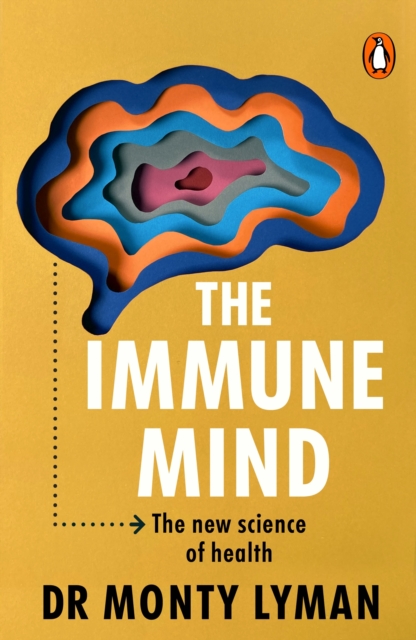
How doing nothing can change your life: Napping and gentle exercise can enhance brain size Spending time in nature can boost creativity Silence fosters the growth of new brain cellsWe are constantly told to make the most of every precious moment - but when we let our brains rest and our minds wander, something magical happens.
The Neuroscience of Feelings: Unveiling the Mind-Brain Alchemy focuses on exploring the complex interplay between emotions and brain function, covering topics such as how positive and negative feelings impact brain cell regeneration, the influence of emotions on decision-making, and the role of emotional trauma in brain health.
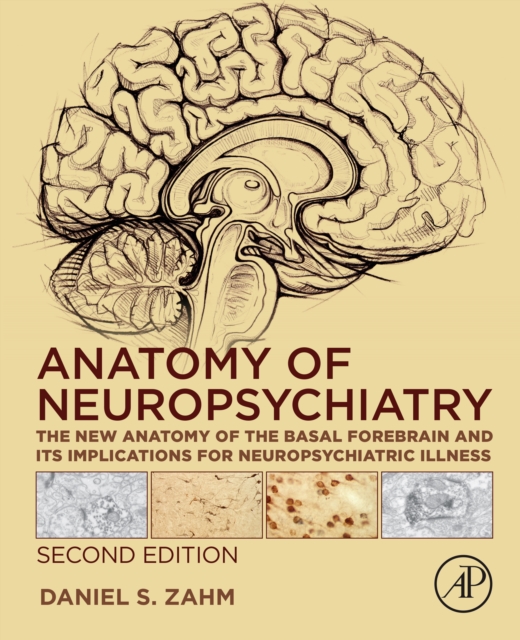
**Selected for Doody's Core Titles(R) 2024 in Psychiatry**Anatomy of Neuropsychiatry: The New Anatomy of the Basal Forebrain and Its Implications for Neuropsychiatric Illness, Second Edition, builds upon reprised classic chapters by Lennart Heimer and Gary Van Hoesen describing the cortical and subcortical structure and functional involvements of several functional-anatomical macrosystems in the human forebrain, the existence of which obviates the vaunted heuristic value of the "e;limbic system"e; concept in the study of motivation and emotion.
Based on extensive research and developed with the support of the IAAP, this fascinating new work presents the precious value of the special legacy of C.
Based on extensive research and developed with the support of the IAAP, this fascinating new work presents the precious value of the special legacy of C.
**Selected for Doody's Core Titles(R) 2024 in Psychiatry**Anatomy of Neuropsychiatry: The New Anatomy of the Basal Forebrain and Its Implications for Neuropsychiatric Illness, Second Edition, builds upon reprised classic chapters by Lennart Heimer and Gary Van Hoesen describing the cortical and subcortical structure and functional involvements of several functional-anatomical macrosystems in the human forebrain, the existence of which obviates the vaunted heuristic value of the "e;limbic system"e; concept in the study of motivation and emotion.
Desde las primeras páginas el autor nos invita a pensar en el cerebro como un campo cuántico dado que los átomos que nos conforman contienen un 0,00001% de materia.
The Routledge Handbook of Second Language Acquisition and Neurolinguistics provides a comprehensive discussion of a wide range of neurocognitive and neurobiological scientific research about learning second or additional languages.