This insightful book offers an authoritative yet accessible introduction to the development of visual abilities and motor skills in infants and children.
This book presents the 'state of the art' of biomarkers research in neuropsychiatric conditions, from dementia to eating disorders, as well as providing methodological, practical and ethical issues related to the development of biomarkers.
This reference provides detailed coverage of dendritic spines, the fascinating neuronal components that modulate synaptic transmission, development, strength, and plasticity and are involved in the function of multiple areas of the nervous system.
Bringing together recent case studies and insights into current developments, this collection introduces philosophers to a range of experimental methods from neuroscience.
Viral hemorrhagic fevers have captured the imagination of the public and made their way into popular books and movies by virtue of their extreme virulence and mysterious origins.
Fragile X and Related Autism Spectrum Disorders, Volume 172 in the International Review on Neurobiology series, highlights new advances in the field, with this new volume presenting interesting chapters on The dopamine hypothesis of Autism Spectrum Disorder: a comprehensive analysis of the evidence, A Review of the Use of Psychotropic Medication to Address Challenging Behavior in Neurodevelopmental Disorders, Lipid metabolism alterations in fragile X syndrome and other neurodevelopmental disorders, Genesis, modelling and methodological remedies to autism heterogeneity, Toward an Understanding of the Role of the Exposome on Fragile X Phenotypes, Glial-mediated dysregulation of neurodevelopment in Fragile X Syndrome, and more.
This book presents the 'state of the art' of biomarkers research in neuropsychiatric conditions, from dementia to eating disorders, as well as providing methodological, practical and ethical issues related to the development of biomarkers.
Since their development a decade ago, human induced pluripotent stem cells (iPSC) have revolutionized the study of human disease, given rise to regenerative medicine technologies, and provided exceptional opportunities for pharmacologic research.
This book provides an in-depth review of knowledge of the corpus callosum, called white matter or terra incognita, with emphasis on anatomical, embryological, diagnostics, and surgical features.
The book represents a critical update on interactions between the host and its gut microbiome that conditions the socio-biology of the mind and behaviour.
Fragile X and Related Autism Spectrum Disorders, Volume 172 in the International Review on Neurobiology series, highlights new advances in the field, with this new volume presenting interesting chapters on The dopamine hypothesis of Autism Spectrum Disorder: a comprehensive analysis of the evidence, A Review of the Use of Psychotropic Medication to Address Challenging Behavior in Neurodevelopmental Disorders, Lipid metabolism alterations in fragile X syndrome and other neurodevelopmental disorders, Genesis, modelling and methodological remedies to autism heterogeneity, Toward an Understanding of the Role of the Exposome on Fragile X Phenotypes, Glial-mediated dysregulation of neurodevelopment in Fragile X Syndrome, and more.
Since their development a decade ago, human induced pluripotent stem cells (iPSC) have revolutionized the study of human disease, given rise to regenerative medicine technologies, and provided exceptional opportunities for pharmacologic research.
This book reviews the potential effect of diet modification, lipids, and carbohydrate consumptions, vitamin supplementation, antioxidants, and nutraceuticals in the prevention and management of Alzheimer's disease.
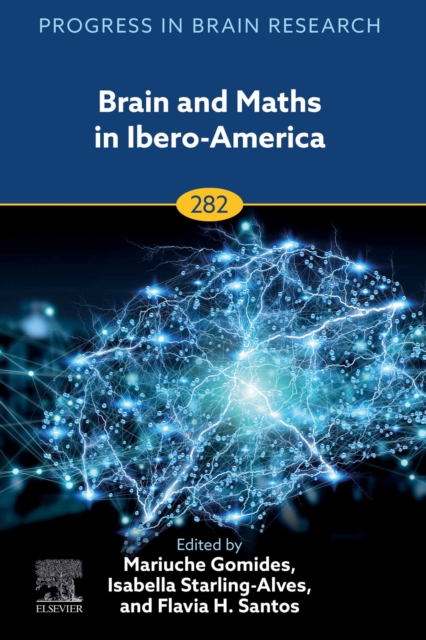
Brain and Maths in Ibero-America, Volume 282 in the Progress in Brain Research series, highlights new advances in the field, with this new volume presenting interesting chapters written by an international board of authors.
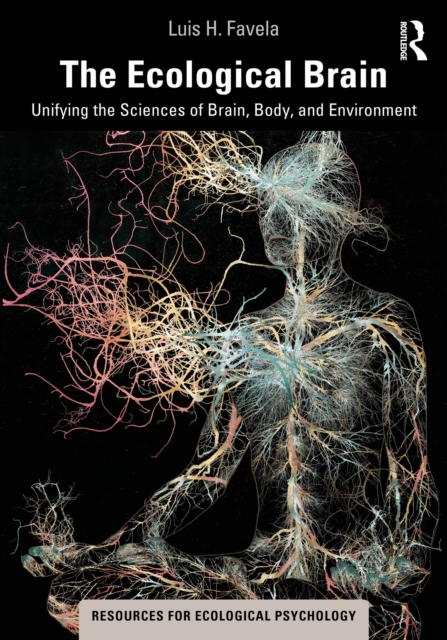
The Ecological Brain is the first book of its kind, using complexity science to integrate the seemingly disparate fields of ecological psychology and neuroscience.
This reference provides detailed coverage of dendritic spines, the fascinating neuronal components that modulate synaptic transmission, development, strength, and plasticity and are involved in the function of multiple areas of the nervous system.
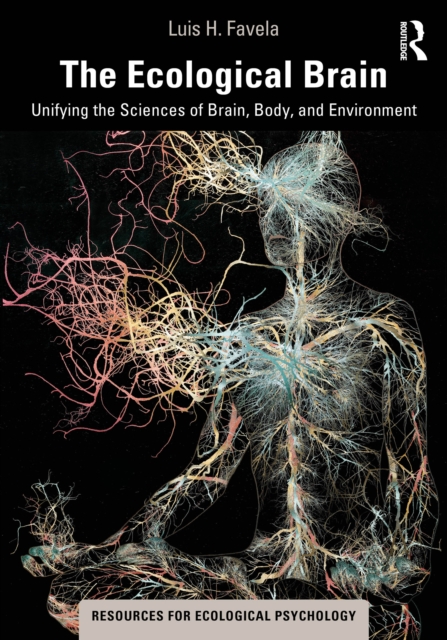
The Ecological Brain is the first book of its kind, using complexity science to integrate the seemingly disparate fields of ecological psychology and neuroscience.
This book reviews the potential effect of diet modification, lipids, and carbohydrate consumptions, vitamin supplementation, antioxidants, and nutraceuticals in the prevention and management of Alzheimer's disease.
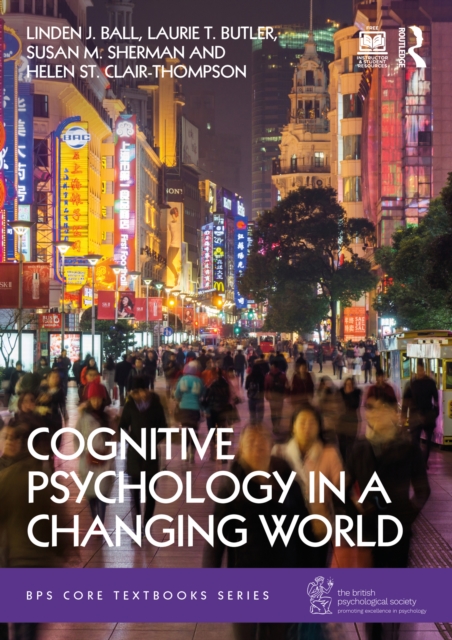
This unique textbook explores core cognitive psychology topics from an innovative new perspective, focusing on key real-world issues to show how we understand and experience the world.
This unique textbook explores core cognitive psychology topics from an innovative new perspective, focusing on key real-world issues to show how we understand and experience the world.
The comprehensive guide to preventing Alzheimer's and other thinking disorders, from the leading authority and bestselling author of The Complete Guide to Memory, Dr Richard Restak.
Unlocking the Nature of Human Aggression is a neuropsychoanalytic and scientific exploration of aggression and argues for its central role in psychopathology and the genesis of individual symptoms, as well as in broader systemic conflicts and violence.
Brain Technology in Augmented Cognition: Current and Future Trends informs engineers interested in human-computer interaction about the current state of augmented cognition.
Bringing together recent case studies and insights into current developments, this collection introduces philosophers to a range of experimental methods from neuroscience.
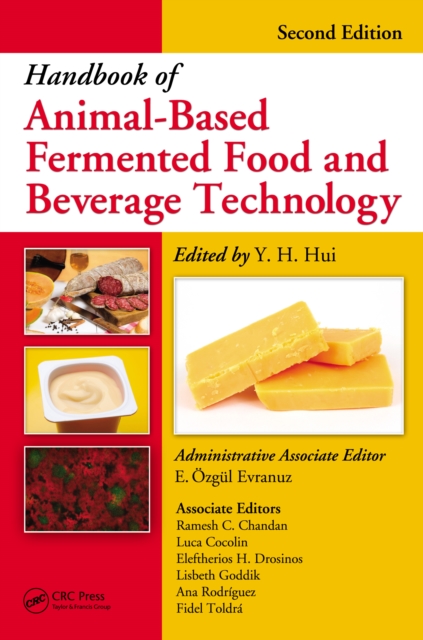
Fermented food can be produced with inexpensive ingredients and simple techniques and makes a significant contribution to the human diet, especially in rural households and village communities worldwide.
Neurotoxicity of Halogenated Organic Compounds, Volume 10 covers three groups of Halogenated Organic Compounds (Chlorinated, Brominated, and Fluorinated Compounds) that are legacy and emerging contaminants, providing background information, characteristics, physicochemical properties, environmental contamination, and human exposure.