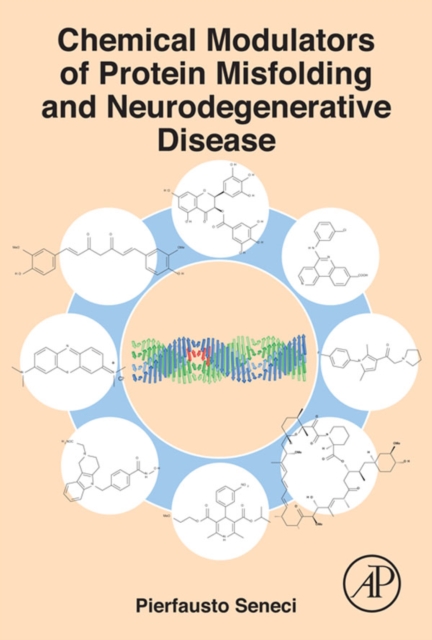
This book is a neurochemistry-based companion for Protein Misfolding and Neurodegenerative Diseases: Molecular Targets, an Elsevier title by the same author publishing in December 2014.
This detailed volume collects protocols for experimentation into how neurons connect to produce the extraordinary functionalities of the nervous system.
This second edition provides updated and expanded chapters that critically address the issues or rodent stroke modeling, from choosing the model and outcome measures, designing the experiment, conducting and analyzing it, to reporting it in a scientific publication.
This volume explores various themes at the intersection of archaeology and philosophy: inference and theory; interdisciplinary connections; cognition, language and normativity; and ethical issues.
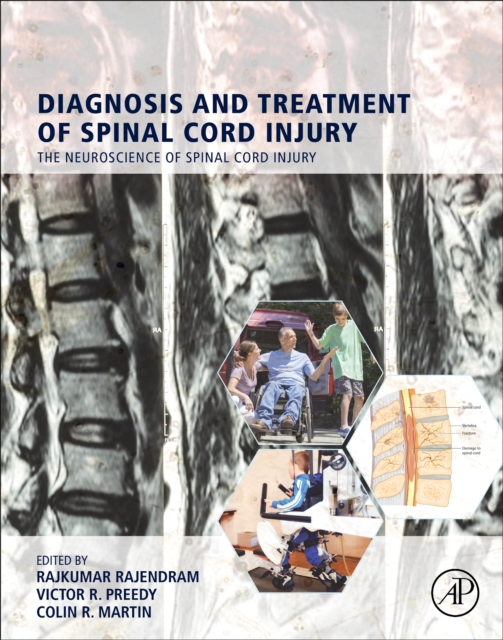
Diagnosis and Treatment of Spinal Cord Injury will enhance readers' understanding of the complexities of the diagnosis and management of spinal cord injuries.
The child is neither an adult miniature nor an immature human being: at each age, it expresses specific abilities that optimize adaptation to its environment and development of new acquisitions.
This book provides a holistic evidence-based perspective on conceptual, clinical, assessment, and treatment aspects of key non-substance-based addictive disorders related to: gambling, gaming, social media, smartphone, internet, love, sex, exercise, work, and shopping.
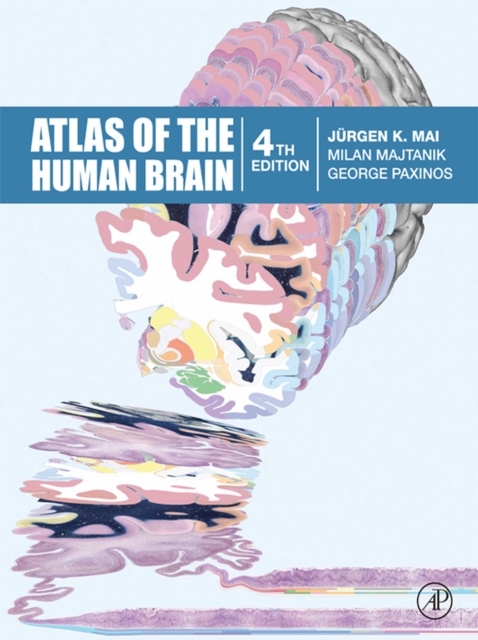
The fourth edition of Atlas of the Human Brain presents the anatomy of the brain at macroscopic and microscopic levels, featuring different aspects of brain morphology and topography.
The Molecular and Cellular Basis of Neurodegenerative Diseases: Underlying Mechanisms presents the pathology, genetics, biochemistry and cell biology of the major human neurodegenerative diseases, including Alzheimer's, Parkinson's, frontotemporal dementia, ALS, Huntington's, and prion diseases.
Systems Neuroscience in Depression provides a comprehensive overview of the normal and depressed brain processes as studied from a systems neuroscience perspective.
This detailed volume explores olfactory receptors, a topic that goes beyond classical biochemical essays and involves methods to investigate the brain areas associated with the perception of odorants.
A Paradigm Shift to Prevent and Treat Alzheimer's Disease: From Monotargeting Pharmaceuticals to Pleiotropic Plant Polyphenols is the first book to systematically exhibit the powerful pleiotropic pharmacological effects on Alzheimer's disease of plant-based compounds from ancient foods that humans have been consuming safely with substantial health benefits for thousands of years.
Essentials of Noncoding RNA in Neuroscience: Ontogenetics, Plasticity of the Vertebrate Brain focuses on the role of miRNAs in neurogenesis, gliogenesis, neuronal network formation, and the cell biology of forebrain development.
Animals are widely used in neuroscience research to explore biological mechanisms of nervous system function, to identify the genetic basis of disease states, and to provide models of human disorders and diseases for the development of new treatments.
Athlete Mental Health and Performance Optimization: The Optimum Performance Program for Sports (TOPPS)introduces TOPPS, which provides structured protocols to assist with recruitment, engagement, screening, assessment and performance optimization.
In this "e;utterly fascinating"e; science memoir, the Nobel Prize-winning author chronicles his revolutionary discovery of a major cause of brain diseases (The New York Times).
This important volume brings together significant findings on the neural bases of spoken language -its processing, use, and organization, including its phylogenetic roots.
Over the last decade, and particularly during the recent five years, a rapidly increasing number of novel psychoactive substance (NPSs), often marketed as "e;designer drugs"e;, "e;legal highs"e;, "e;herbal highs"e;, "e;research or intermediate chemicals"e; and "e;laboratory reagents"e;, has appeared on the drug market in an effort to bypass controlled substance legislation.
The volume aims to explore the dynamic nature of the autophagy pathway, and the latest techniques that allow researchers to capture and quantify this process in neurons.
This second edition volume expands on the previous edition with new information on the latest developments in the field, and the most up-to-date representative methodological information on molecular neuroanatomical and functional techniques that are currently used to study neurotransmitter receptors and ion channels in the brain.
This volume explores major light microscopic imaging modalities that can be used to view nervous tissue, and discusses the steps needed to use each of them, and ways to interpret the data.
This volume explores the latest techniques used to study brain function and pathophysiology of major depressive disorder (MDD), and includes suggestions of new therapeutic approaches for the treatment of MDD.
This volume discusses the latest analytical approaches used to sample defined molecular populations of metabolites via functional group derivatization, specialized chromatographic methods, and ionization techniques.
This volume presents a wide array of animal models that are used in the study of the individual and environmental factors involved in the development of addiction, the consequences of chronic drug exposure, and recently developed behavioral and biological procedures for the treatment of addictive disorders.
This detailed book explores techniques for further elucidating the peripheral and central roles of oxytocin as well as techniques key to oxytocin receptor-related drug discovery.
This book is a collection of classical as well as innovative methods used to investigate axon degeneration with a particular focus on addressing the common challenges encountered while performing these procedures.
This book provides protocols on the preparation of synaptic vesicles from different model systems and provides instructions for functional investigations of their transport and formation, scaffolding, filling and priming, release, recycling, and degradation.
This volume details commonly used molecular and cellular techniques and specialized methodologies for studying retina neuronal subtypes and electrophysiology.
This volume explores the latest techniques used to better understand the brain reward system with respect to neurotransmitters, brain structures, and connectivity.