From Fossils to Mind, Volume 275 in the Progress in Brain Research series, presents chapters on a variety of interesting topics, including What could our premammalian ancestors hear, see, smell, and touch?
Cognitive neuroscience, once a specialized area of psychology and biology, has enjoyed increased worldwide legitimacy in the last thirty years not only in psychiatry and mental health, but also in fields as diverse as education, economics, marketing, and law.
Wilder Penfield (1891-1976) is famous for his contributions to the understanding of epilepsy and for his discoveries of the relationship between the structure and function of the human brain.
Wilder Penfield (1891-1976) is famous for his contributions to the understanding of epilepsy and for his discoveries of the relationship between the structure and function of the human brain.
This volume covers a wide range of approaches utilized to decipher cellular and molecular mechanisms that contribute to successful nerve regeneration leading to functional recovery.
In this book, Matej Kohar demonstrates how the new mechanistic account of explanation can be used to support a non-representationalist view of explanations in cognitive neuroscience, and therefore can bring new conceptual tools to the non-representationalist arsenal.
This book includes selected peer reviewed articles from The 5th International Conference on Communications and Cyber-Physical Engineering (ICCCE 2022), held on 29th and 30th April 2022 in Hyderabad, India.
COVID-19 in Alzheimer's Disease and Dementia crucially summarizes the current status of the coronavirus in patients suffering from these conditions, describing why they are a common cause of morbidity among those with COVID-19.
Physics of Biological Action and Perception helps researchers interested in exploring biological motor control from a physics or alternative viewpoint perspective.
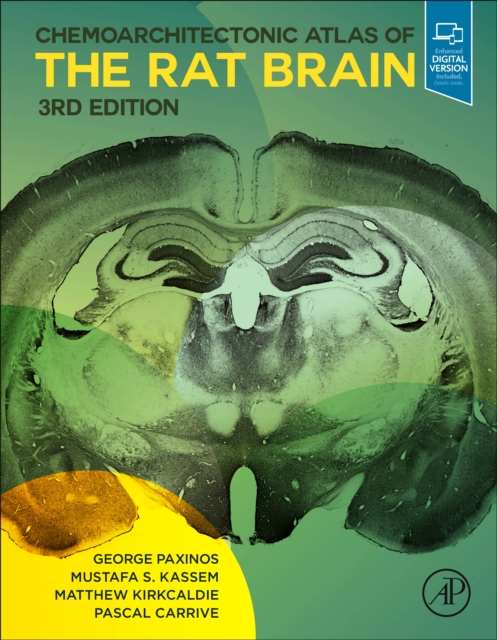
The complement to The Rat Brain in Stereotaxic Coordinates, Chemoarchitectonic Atlas of the Rat Brain, Third Edition, features a single brain series of high-quality plates stained with eight different markers, extensively annotated and labelled throughout.
Visually Memorable Neuroanatomy for Beginners takes a close look at the anatomy of the human brain and teaches readers to identify and examine its structures in a relatable way.
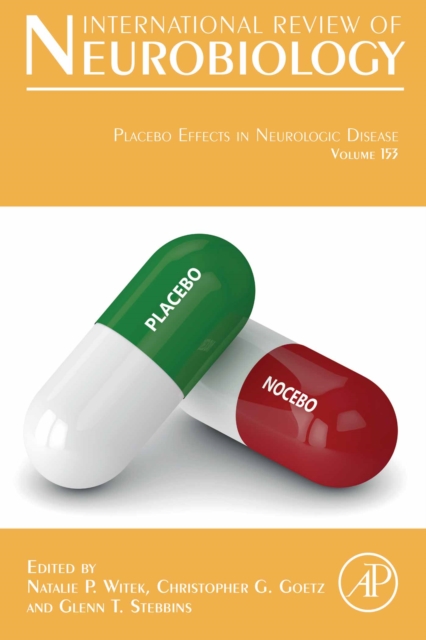
Placebo Effects in Neurologic Disease, Volume 153, the latest release in the International Review of Neurobiology series, highlights new advances in the field, with this new volume presenting interesting chapters on Background and Methods in Placebo, Better than Nothing: A Historical Account of Placebos and Placebo Effects from Modern to Contemporary Medicine, Determinants of PE, Strategies for Minimizing PE in Research, Maximizing placebo response in the clinic, Statistical methods for handling PE, Nocebo and Lessebo effects, Ethics of deception, Pain, Parkinson's Disease, Cognitive impairment, Epilepsy, and much more.
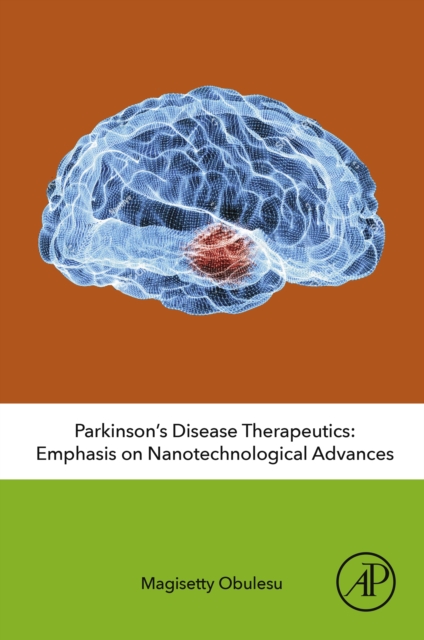
Parkinson's Disease Therapeutics: Emphasis on Nanotechnological Advances presents the latest information on the second most common neurodegenerative disorder in the elderly.
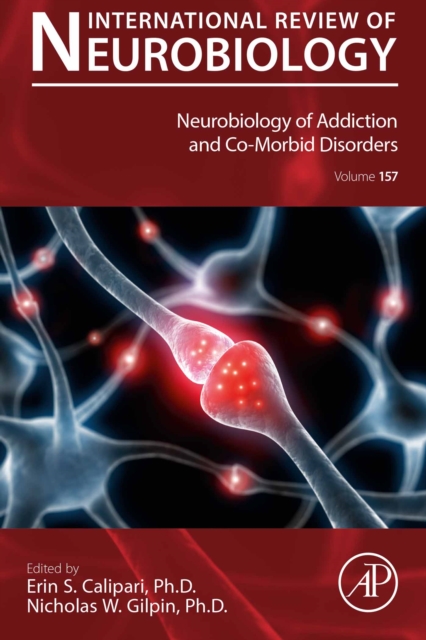
Neurobiology of Addiction and Comorbid Disorders, Volume 156, in the International Review of Neurobiology series, highlights new advances in the field of neurobiology, with this new volume presenting interesting chapters on topics such as Pain + Alcohol, Pain + Opioids, Traumatic Stress + Alcohol, Traumatic Stress + Cannabinoids, Traumatic Brain Injury and the Misuse of Alcohol, Opioids, and Cannabis, Depression + Addiction, Microbiome/cytokines + Addiction, Cognitive disorders + Alcohol, Neural stem cells, Neurogenesis and Addiction, Food Addiction, and Poly-drug Addiction.
An AGI Brain for a Robot is the first and only book to give a detailed account and practical demonstration of an Artificial General Intelligence (AGI).
Progress in Brain Research is the most acclaimed and accomplished series in neuroscience, firmly established as an extensive documentation of the advances in contemporary brain research.
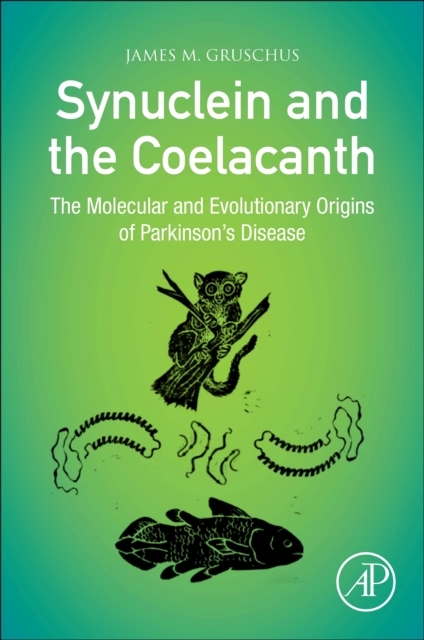
Most neurodegenerative diseases have animal parallels such as Alzheimer's in chimpanzees, multiple sclerosis in macaques, Lou Gehrig's disease in dogs, but nothing like Parkinson's has ever been seen in any species but humans.
The Molecular Immunology of Neurological Diseases provides a comprehensive review of current updates in molecular immunogenetics of different neurological diseases.
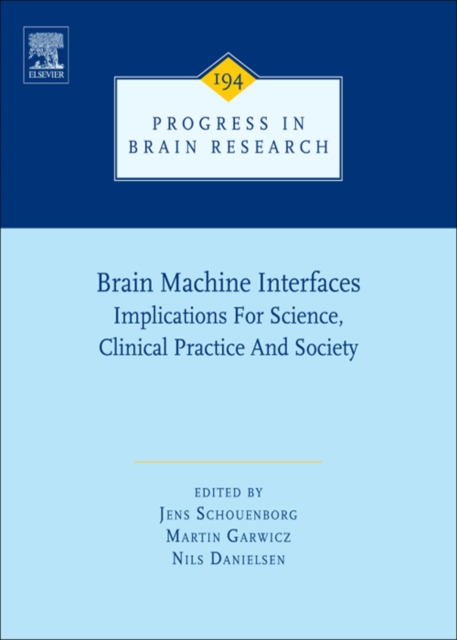
This volume follows on from the symposium "e;Brain Machine Interfaces - Implications for science, clinical practice and society"e;, held on August 26th-29th 2010 in Ystad, Sweden, and features contributions from pioneers and leading scientists in the field of BMI and motor systems physiology, including spinal cord, basal ganglia and motor cortex.
The child is neither an adult miniature nor an immature human being: at each age, it expresses specific abilities that optimize adaptation to its environment and development of new acquisitions.
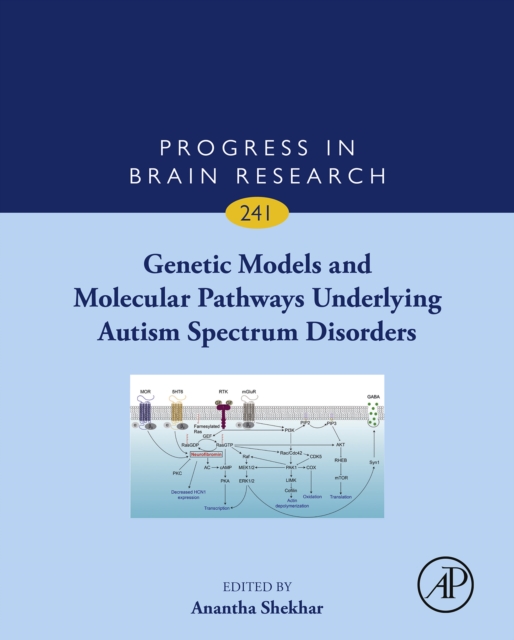
Genetic Models and Molecular Pathways Underlying Autism Spectrum Disorders, Volume 241 provides the most recent information on the animal model systems that are available to study different forms of autism spectrum disorders.
Progress in Brain Research is a well-established international series examining major areas of basic and clinical research within neuroscience, as well as emerging and promising subfields.
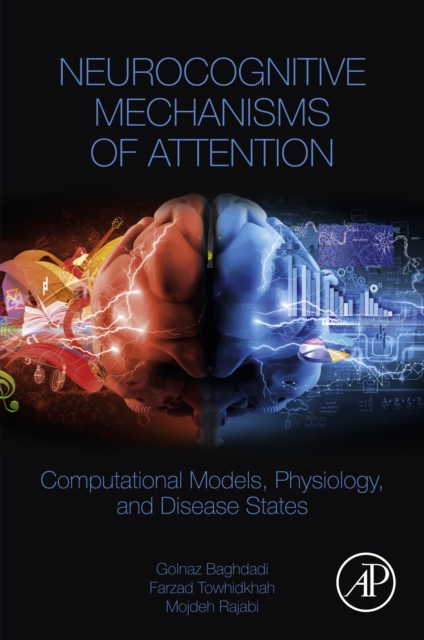
Neurocognitive Mechanisms of Attention: Computational Models, Physiology, and Disease States describes the brain mechanisms underlying the attention control system, how those mechanisms are examined, how they operate in different disease states, and methods for improving them.