The book comprises biographical notes, of about 1000 words each, with a portrait photo, of 90 influential figures of the famous prewar Viennese school of neuropsychiatry, appearing together for the first time in a single volume.
This book develops a morphodynamical approach to linguistic and sign structures as an integrated response to multilevel and interrelated problems in semiolinguistic research.
This textbook provides students with knowledge of neurogenetics, neurogenesis, neuronal specification and function, neuronal networks, learning and memory formation, brain evolution, and neurodegenerative diseases.
'Behavioral Neuroscience of Learning and Memory' brings together the opinions and expertise of some of the world's foremost neuroscientists in the field of learning and memory research.
This single volume brings together both theoretical developments in the field of motor control and their translation into such fields as movement disorders, motor rehabilitation, robotics, prosthetics, brain-machine interface, and skill learning.
Extensive research conducted by the Hasso Plattner Design Thinking Research Program at Stanford University in Palo Alto, California, USA, and the Hasso Plattner Institute in Potsdam, Germany, has yielded valuable insights on why and how design thinking works.
This book presents the proceedings of the NeuroIS Retreat 2022, June 14-16, Vienna, Austria, reporting on topics at the intersection of information systems (IS) research, neurophysiology and the brain sciences.
This is the first book to assemble the leading researchers in the field of LRRK2 biology and neurology and provide a snapshot of the current state of knowledge, encompassing all major aspects of its function and dysfunction.
The Second Edition of this introduction to fire protection systems is completely revised and updated to offer the student, architect or engineer the basics of fire protection devices and equipment, and how they may be applied to any given project.
This book brings together a number of essays that are optimistic about the ways certain neuroscientific insights might advance philosophical ethics, and other essays that are more circumspect about the relevance of neuroscience to philosophical ethics.
This book provides a clear and comprehensive guide to the clinical prescription of lithium that draws upon evidence-based knowledge of its mechanisms of action.
This book offers representative examples from fly and mouse models to illustrate the ongoing success of the synergistic, state-of-the-art strategy, focusing on the ways it enhances our understanding of sensory processing.
This book traces the history of adenosine receptor research from molecular biology to medicinal chemistry to behavior, including their implications in disease and potential strategies as therapeutic targets.
Reactive oxygen species (ROS) have been implicated in almost every human disease phenotype, without much, if any, therapeutic consequence foremost exemplified by the failure of the so-called anti-oxidants.
In the new edition of Neural Assemblies, the author places his original ideas and motivations within the framework of modern and cognitive neuroscience and gives a short and focused overview of the development of computational neuroscience and artificial neural networks over the last 40 years.
Over the past decade, neuroproteomics has shed light on the molecular features of schizophrenia by depicting biological processes involved with its establishment, maintenance and treatment.
This contributed volume reviews the latest advances in all the new technologies currently developed for MagnetoEncephaloGraphy (MEG) recordings, as well as sensor technologies and integrated sensor arrays for on-scalp MEG.
The purpose of this textbook is to enable a Neuroscientist to discuss the structure and functions of the brain at a level appropriate for students at many levels of study including undergraduate, graduate, dental or medical school level.
This book explores connections between music, neural activations and brain plasticity, in order to better understand its associated psychological and physiological effects.
The 2nd World Congress on Genetics, Geriatrics and Neurodegenerative Disease Research (GeNeDis 2016), will focus on recent advances in geriatrics and neurodegeneration, ranging from basic science to clinical and pharmaceutical developments and will provide an international focum for the latest scientific discoveries, medical practices, and care initiatives.
This book presents the proceedings of the virtual conference NeuroIS Retreat 2020, June 2-4, hosted in Austria, reporting on topics at the intersection of information systems (IS) research, neurophysiology and the brain sciences.
The 2nd World Congress on Genetics, Geriatrics and Neurodegenerative Disease Research (GeNeDis 2016), will focus on recent advances in geriatrics and neurodegeneration, ranging from basic science to clinical and pharmaceutical developments and will provide an international focum for the latest scientific discoveries, medical practices, and care initiatives.
This Brief offers a comprehensive and up-to-date overview of the current developments in the field of prospective memory, or memory for delayed intentions.
The Palgrave Handbook of Sexual Ethics is a comprehensive collection of recent research on the ethics of sexual behavior, representing a wide range of perspectives.
Social stress has emerged as a research front in the neurosciences, and this volume highlights recent insights in brain mechanisms and methodological advances.
Animal models and tests have become increasingly important for biomedical research, enabling a better understanding of pathogenic pathways involved in various human disorders.
The book highlights important new research approaches of clinical relevance, written by prominent researchers in the field of OCD and related disorders.
In a rapidly progressing field, Botulinum Toxin Therapy provides both clinicians and basic researchers with the latest science on the structure and function of botulinum toxins and the use of these toxins to treat a wide variety of diseases.
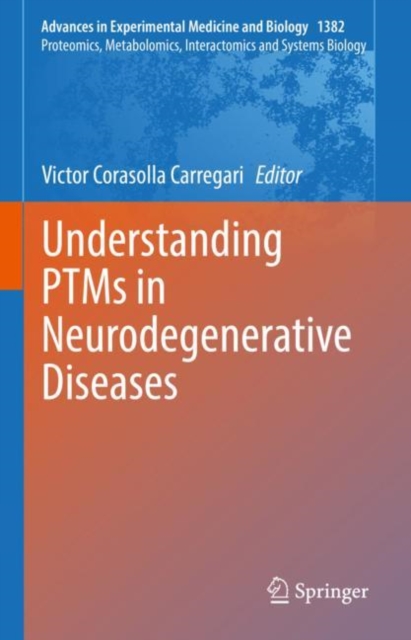
This new volume, a part of the Proteomics, Metabolomics, Interactomics and Systems Biology series, will explain how proteomic studies of post-translational modifications (PTMs) can be applied to neurodegenerative diseases and relevant studies.