Each day we are exposed to a myriad of natural and human-made chemicals in our food, drinking water, air, soil, at home or at the workplace-pesticide residues, food additives, drugs, household products-but how can we gauge the human health risk posed by these chemicals?
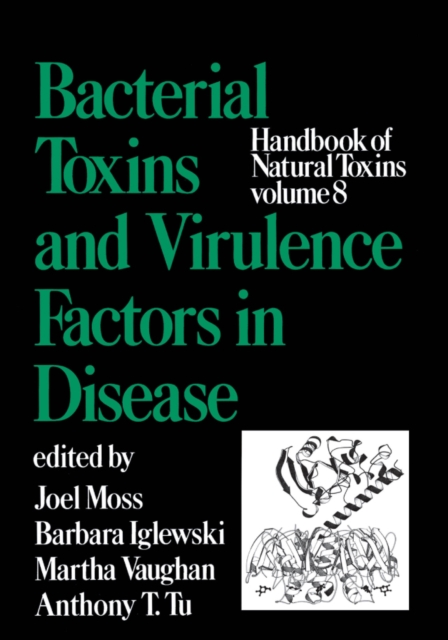
This volume describes the structure and function of bacterial toxins and presents a comprehensive review of virulence factors, providing recent information concerning cell physiology and biochemistry, as well as new toxin tools for experimental studies and clinical therapy.
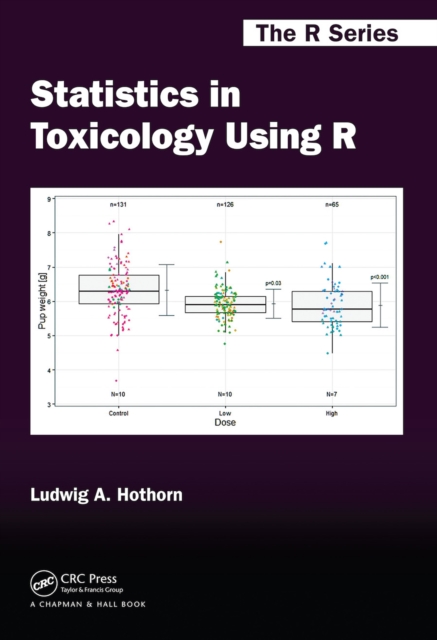
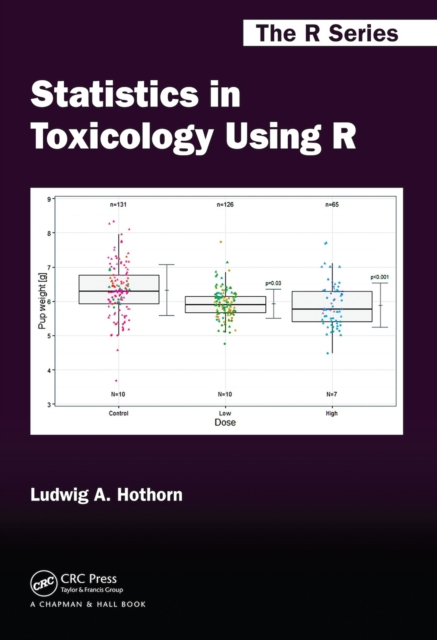
The apparent contradiction between statistical significance and biological relevance has diminished the value of statistical methods as a whole in toxicology.
This book delineates how systems biology, pharmacogenomic, and behavioral approaches, as applied to neurodevelopmental toxicology, provide a structure to arrange information in a biological model.
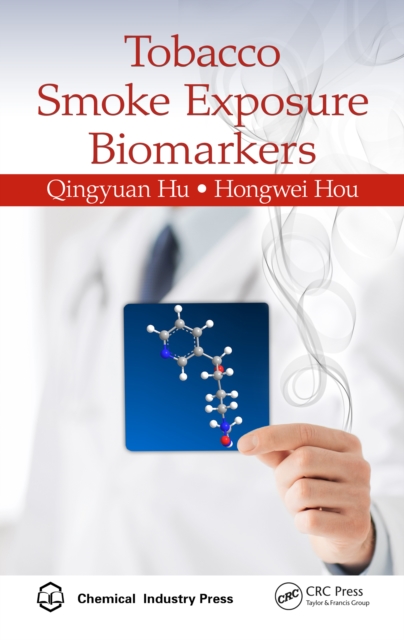
Written by experts in the analytical chemistry of tobacco smoke, Tobacco Smoke Exposure Biomarkers summarizes the toxicology, metabolic pathway, and biomarkers of nicotine, TSNAs, PAHs, VOCs, AAs, Catechol and Hydroquinone, HCN, CO and NOx, and heavy metals, and the use of this biomarker in exposure assessment and/or cigarette smoke exposure enviro
The apparent contradiction between statistical significance and biological relevance has diminished the value of statistical methods as a whole in toxicology.
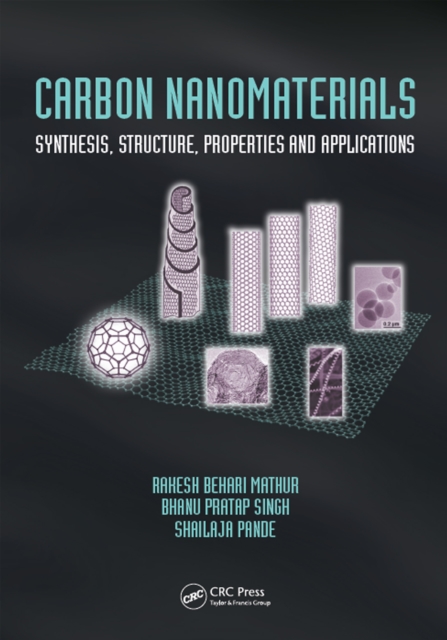
The study of nanostructures has become, in recent years, a theme common to many disciplines, in which scientists and engineers manipulate matter at the atomic and molecular level in order to obtain materials and systems with significantly improved properties.
Through the use of molecular and cellular biological techniques, numerous advances have been made in understanding the molecular basis of virulence mechanisms and toxin biosynthesis in organisms that contaminate food and feed.
This volume describes the structure and function of bacterial toxins and presents a comprehensive review of virulence factors, providing recent information concerning cell physiology and biochemistry, as well as new toxin tools for experimental studies and clinical therapy.
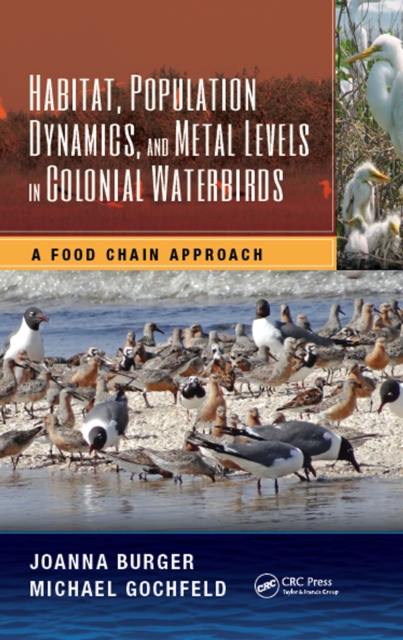
This book is a result of the authors' more than 40 years of study on the behavior, populations, and heavy metals in the colonial waterbirds nesting in Barnegat Bay and the nearby estuaries and bays in the Northeastern United States.
Since the second edition of this text was published, many new environmental incidents have occurred, including another nuclear disaster, a mine disaster in the United States, and the Gulf of Mexico oil spill.
Reflecting the broad and interdisciplinary nature of toxicology, this third edition of Principles of Toxicology explores the biochemical, physiological, and environmental aspects of the subject.
Cutting across traditional subject boundaries, Principles of Ecotoxicology, Fourth Edition gives readers an integrated view of ecotoxicology, from molecules to ecosystems.
With contributions by international experts in academia, chemical manufacturing, government research laboratories, regulatory agencies, and private consulting, this guide explores the potentially damaging influence of environmental agents on the endocrine system.
Occupational workers frequently use, store, and dispose of toxic chemicals without knowing the possible consequences, both for the workplace and the environment.
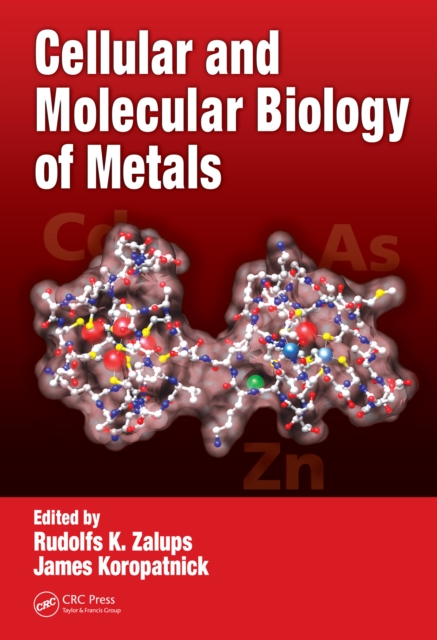
With chapter contributions from more than 30 metal biology experts, Cellular and Molecular Biology of Metals explains the role of key divalent metal ions involved in the molecular and cellular biology of various target cell populations.
Presenting the latest research in glial cell function gleaned from new techniques in imaging and molecular biology, The Role of Glia in Neurotoxicity, Second Edition covers multiple aspects of glial cells, including morphology, physiology, pharmacology, biochemistry, pathology, and their involvement in the pathophysiology of neurological diseases.
Investigative Immunotoxicology provides a critical evaluation of proposed experimental animal models and approaches, and discusses the contribution that immunotoxicity can make to the overall assessment of chemical-induced adverse health effects on humans and the ecosystem.
An ever-increasing demand for better drugs, elevated safety standards, and economic considerations have all led to a dramatic paradigm shift in the way that drugs are being discovered and developed.
Continuing the tradition set by the first and second editions, each a bestseller in its own right, the third edition of Immunotoxicology and Immunopharmacology provides reviews of environmental agents, updated to reflect the latest information on how these agents influence immune system function and health.
A compilation of published scientific information, including human, animal, cellular, and theoretical studies, Depleted Uranium: Properties, Uses and Health Consequences provides the most current and comprehensive collection of information on depleted uranium health hazards.
Presenting the first database of its kind, this unique reference illustrates the relationships between the chemistry and developmental toxicity of a number of important pharmaceuticals and industrial toxicants.
This leading textbook in the field examines the mechanisms underlying toxicity, particularly the events at the molecular level and the factors that determine and affect toxicity.
Dioxin - Environmental Fate and Health/Ecological Consequences offers a unique, and comprehensive coverage of dioxins and their congeners once they are released to the environment.
Dioxin - Environmental Fate and Health/Ecological Consequences offers a unique, and comprehensive coverage of dioxins and their congeners once they are released to the environment.
Each volume in the series focuses on a particular taxon, presenting detailed and reliable ecotoxicological results from both laboratory and field experiments, performed for a comprehensive range of chemicals.
Each volume in the series focuses on a particular taxon, presenting detailed and reliable ecotoxicological results from both laboratory and field experiments, performed for a comprehensive range of chemicals.
Statistics for Environmental Biology and Toxicology presents and illustrates statistical methods appropriate for the analysis of environmental data obtained in biological or toxicological experiments.
Statistics for Environmental Biology and Toxicology presents and illustrates statistical methods appropriate for the analysis of environmental data obtained in biological or toxicological experiments.
The present work is the first major attempt at reviewing comprehensively all the available information about the environmental fate and behaviour of the xenobiotic chemicals.
The focus of this report is upon information essential to the understanding of the toxic action of cadmium and the relationship between dose (exposure) and effects on human beings and animals.
The present work is the first major attempt at reviewing comprehensively all the available information about the environmental fate and behaviour of the xenobiotic chemicals.
The focus of this report is upon information essential to the understanding of the toxic action of cadmium and the relationship between dose (exposure) and effects on human beings and animals.
This book highlights how terpenoids act as biological messengers and can be used as medicine against liver disease, neurodegenerative disease, cancer, infectious disease, cardiovascular disease, and inflammatory diseases.