This book highlights how terpenoids act as biological messengers and can be used as medicine against liver disease, neurodegenerative disease, cancer, infectious disease, cardiovascular disease, and inflammatory diseases.
The study of nanostructures has become, in recent years, a theme common to many disciplines, in which scientists and engineers manipulate matter at the atomic and molecular level in order to obtain materials and systems with significantly improved properties.
This book delineates how systems biology, pharmacogenomic, and behavioral approaches, as applied to neurodevelopmental toxicology, provide a structure to arrange information in a biological model.
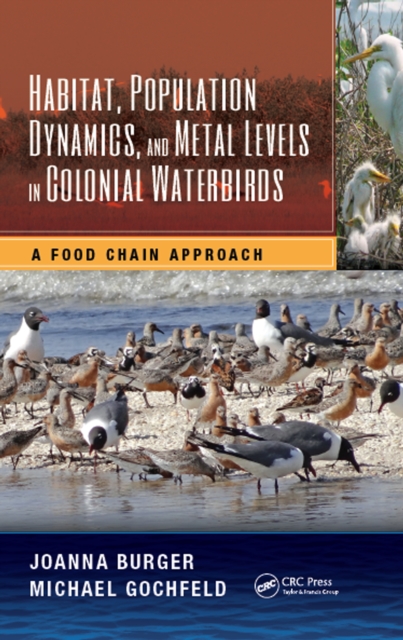
This book is a result of the authors' more than 40 years of study on the behavior, populations, and heavy metals in the colonial waterbirds nesting in Barnegat Bay and the nearby estuaries and bays in the Northeastern United States.
Since the advent of cDNA microarrays, oligonucleotide array technology, and gene chip analysis, genomics has revolutionized the entire field of biomedical research.
Investigative Immunotoxicology provides a critical evaluation of proposed experimental animal models and approaches, and discusses the contribution that immunotoxicity can make to the overall assessment of chemical-induced adverse health effects on humans and the ecosystem.
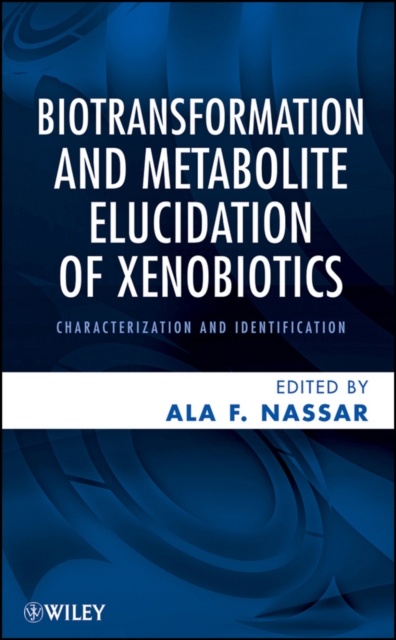
The goal of this book is to improve the readers' knowledge of metabolite elucidation in drug metabolism by exposing them to in depth coverage of the biotransformation of xenobiotics, strategies for identifying and characterizing metabolites, FDA guidelines, and case studies on how to improve the decision-making process in structural modification of drug candidates to reduce toxicity.
Eco-toxicology, an offshoot of toxicology, is a multidisciplinary science that integrates toxicology and ecology by drawing knowledge and procedures from both fields.
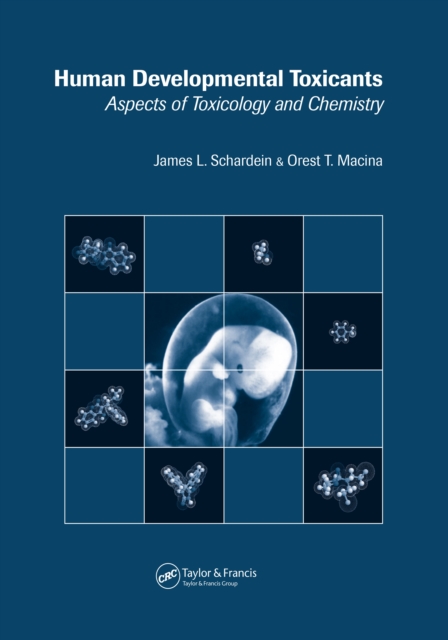
Presenting the first database of its kind, this unique reference illustrates the relationships between the chemistry and developmental toxicity of a number of important pharmaceuticals and industrial toxicants.
A compilation of published scientific information, including human, animal, cellular, and theoretical studies, Depleted Uranium: Properties, Uses and Health Consequences provides the most current and comprehensive collection of information on depleted uranium health hazards.
With clear explanations, real-world examples and updated ancillary material, the 11th edition of Environmental Chemistry emphasizes the concepts essential to the practice of environmental science, technology and chemistry.
With clear explanations, real-world examples and updated ancillary material, the 11th edition of Environmental Chemistry emphasizes the concepts essential to the practice of environmental science, technology and chemistry.
Molecular Toxicology is a concise introduction to the subject, taking the reader through the theoretical principles of toxicology followed by specific examples.
This book provides an understanding of the consequences of induced proteins in the toxicological response of cells to chemical and radiation damage to DNA and will be helpful in creating proper mathematical models for extrapolation to low doses and assessing human exposure or cellular injury.
Molecular Toxicology is a concise introduction to the subject, taking the reader through the theoretical principles of toxicology followed by specific examples.
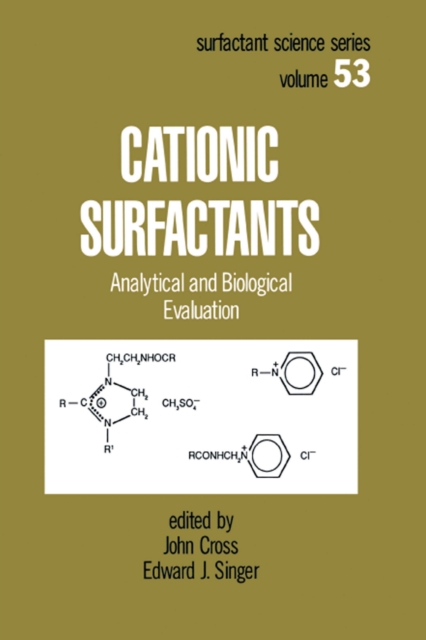
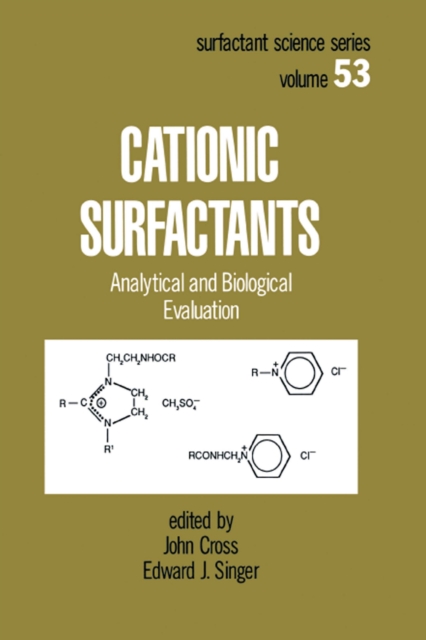
This work focuses on the environmental availability and effects, toxicological properties and numerous applications of cationic surfactants, detaling the modern analytical processes by which this important class of compounds may be studied.
This work focuses on the environmental availability and effects, toxicological properties and numerous applications of cationic surfactants, detaling the modern analytical processes by which this important class of compounds may be studied.
The goal of this book is to improve the readers' knowledge of metabolite elucidation in drug metabolism by exposing them to in depth coverage of the biotransformation of xenobiotics, strategies for identifying and characterizing metabolites, FDA guidelines, and case studies on how to improve the decision-making process in structural modification of drug candidates to reduce toxicity.
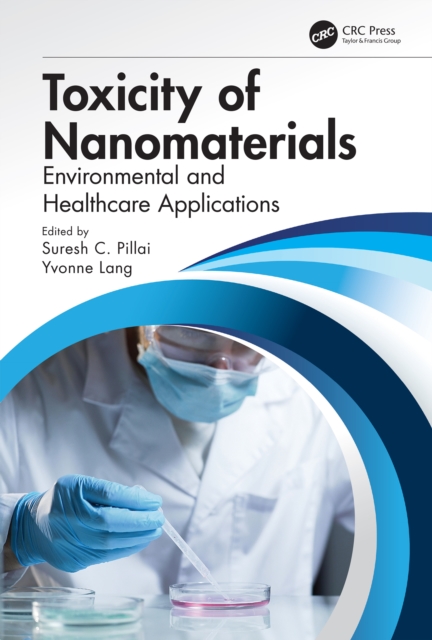
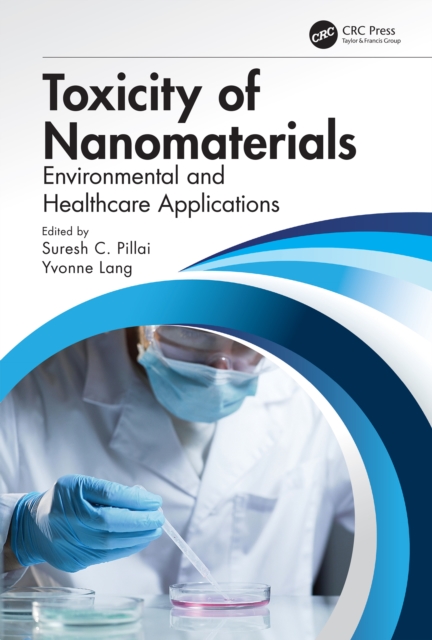
Choice Recommended Title, April 2020This comprehensive book, edited by two leading experts in nanotechnology and bioengineering with contributions from a global team of specialists, provides a detailed overview of the environmental and health impacts associated with the toxicology of nanomaterials.
Choice Recommended Title, April 2020This comprehensive book, edited by two leading experts in nanotechnology and bioengineering with contributions from a global team of specialists, provides a detailed overview of the environmental and health impacts associated with the toxicology of nanomaterials.
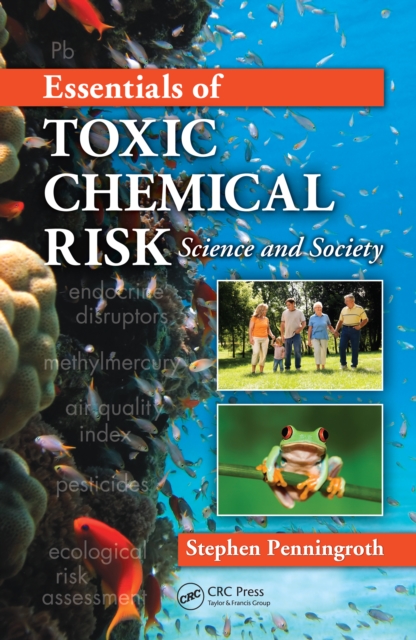
This volume provides a basic introduction to toxicology within a framework of chemical risk to ecosystems and to human health and forms the basis of a new approach to teaching toxicology from a broad, interdisciplinary perspective.