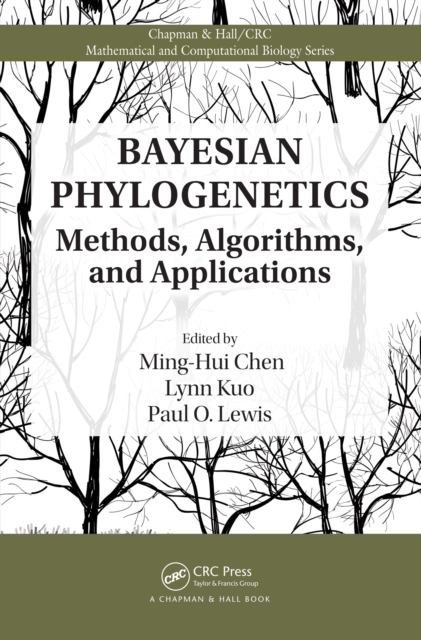
Offering a rich diversity of models, Bayesian phylogenetics allows evolutionary biologists, systematists, ecologists, and epidemiologists to obtain answers to very detailed phylogenetic questions.
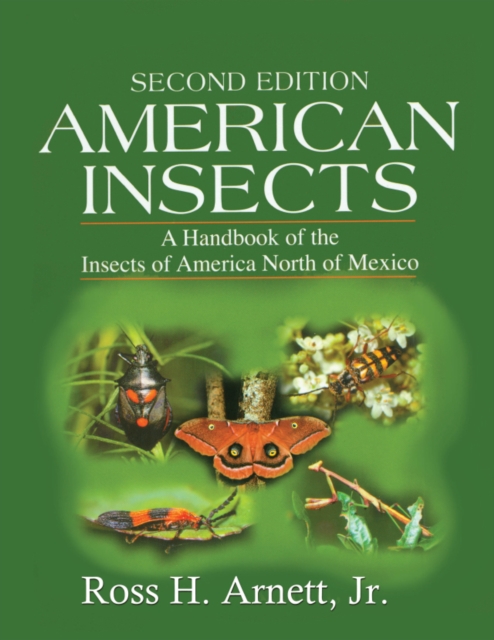
Offering a complete accounting of the insects of North America, this handbook is an up-dated edition of the first handbook ever compiled in the history of American entomology.
Much time is spent working out how to optimize the acoustics of large rooms, such as auditoria, but the acoustics of small rooms and environments can be just as vital.
Analyzes Randomness in Major Genetic Processes and EventsNo matter how far science advances, the proportion of what is knowable to what is random will remain unchanged, and attempts to ignore this critical threshold are futile at best.
Novel Techniques for Analyzing and Combining Data from Modern Biological StudiesBroadens the Traditional Definition of Meta-AnalysisWith the diversity of data and meta-data now available, there is increased interest in analyzing multiple studies beyond statistical approaches of formal meta-analysis.
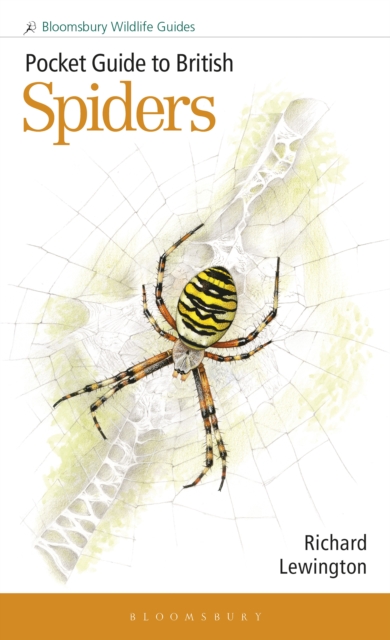
'A fantastic little book' - BirdwatchFeaturing 130 of the most common and readily identifiable species, this illustrated pocket guide is the ideal companion for anyone interested in the naturally occurring spiders found in the British Isles.
This book explores the links between the psyche and the landscape-on the continuum that runs from our mental world inside to our surrounding world outside.
This discipline of behavioural ecology has reached a turning point- empirical evidence in behavioural ecology has led to the reformulation of the classic explanatory theories, and new areas of interest have opened up.
Following in the footsteps of the successful first edition, Functional Plant Ecology, Second Edition remains the most authoritative resource in this multidisciplinary field.
Both an introduction and a fundamental reference, this book explores how to apply genomic, proteomic, and metabolomic technologies to surrogate tissue analysis.
The evolution of observational instruments, simulation techniques, and computing power has given aquatic scientists a new understanding of biological and physical processes that span temporal and spatial scales.
A reflection of the explosion of research and development in this field, OMICS: Biomedical Perspectives and Applications explores applications of omics in bioinformatics, cancer research and therapy, diabetes research, plant science, molecular biology, and neurosciences.
This book provides a comprehensive view for plant microbe interactions towards stress management and microbiome-assisted approaches in sustainable agriculture.
Biochar for Mitigating Abiotic Stress in Plants provides a unique and leading resource for utilizing biochar to address specific plant health challenges, including osmotic, ionic, and oxidative stress.
Tolerance, the ability of populations to cope with the chemical stress resulting from toxic contaminants, has been described in many organisms from bacteria to fungi, from phytoplankton to terrestrial flowering plants, and from invertebrates such as worms to vertebrates like fish and amphibians.
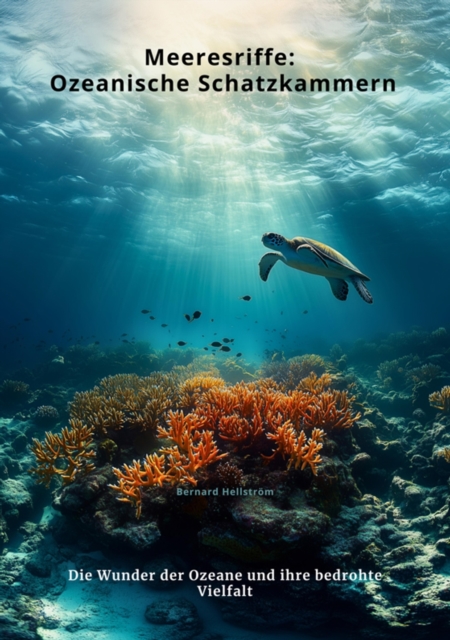
Tauchen Sie ein in die faszinierende Welt der Meeresriffe – die "Regenwälder der Meere", in denen sich biologische Vielfalt, geologische Pracht und ökologische Bedeutung vereinen.
Thanks to advances in electronic archiving of biodiversity data and the digitization of climate and other geophysical data, a new era in biogeography, functional ecology, and evolutionary ecology has begun.
The broad range of G protein-coupled receptors (GPCRs) encompasses all areas of modern medicine and have an enormous impact on the process of drug development.
Brain organoids are small stem cell-derived, self-organizing models of specific brain regions that offer researchers new ways to study the human brain.
Brain organoids are small stem cell-derived, self-organizing models of specific brain regions that offer researchers new ways to study the human brain.
Synthesizing coverage of sensation and reward into a comprehensive systems overview, Neurobiology of Sensation and Reward presents a cutting-edge and multidisciplinary approach to the interplay of sensory and reward processing in the brain.
How the groundbreaking science of body clocks can help you sleep better, feel happier and improve your overall health'The Inner Clock explores the strange new science of why your circadian rhythms fall out of sync and how to get them back on track to live a happier, healthier life' JAMES NESTOR, BESTSELLING AUTHOR OF BREATH'Secrets to better sleep .
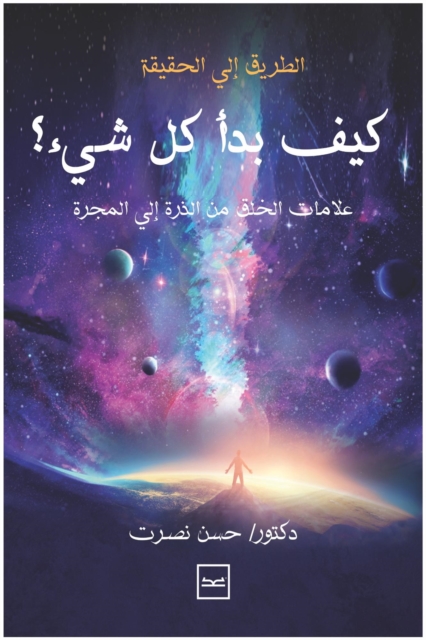
عندما شرعت في كتابة "e;الطريق إلى الحقيقة"e; كان لابد أن تكون نقطة البداية هي الكون، فليس منطقيًا أن نكون جزءًا من هذا الكون و لا نتعرف عليه قدر المستطاع، كيف كانت بدايته؟ و كيف يعمل؟ وكيف يمكن أن تكون نهايته؟، فمما لا شك فيه أن الإجابات على هذه الأسئلة وغيرها ليست فقط نوع من الفضول الفطري، بل إنها بلا شك تحدد نظرتنا للحياة و فلسفة وجودنا على هذه الأرض.
This book provides a comprehensive view for plant microbe interactions towards stress management and microbiome-assisted approaches in sustainable agriculture.
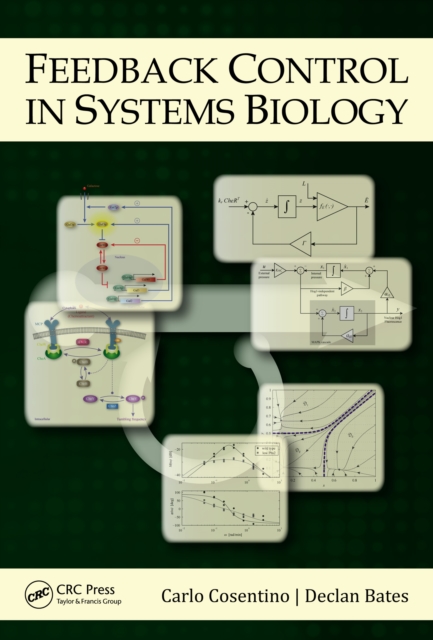
Like engineering systems, biological systems must also operate effectively in the presence of internal and external uncertainty-such as genetic mutations or temperature changes, for example.