Genomics, Populations, and Society, a new volume in the Genomic and Precision Medicine in Clinical Practice series, considers the vast and thorny web of ELSI topics in genomics, from bioethics to healthcare applications, healthcare economics, genomic data management, and population dynamics.
Expanding the risk assessment toolbox, this book provides a comprehensive and practical evaluation of specific ecological models for potential use in risk assessment.
Environmental Politics Casebook: Genetically Modified Foods includes testimony, journal and newspaper articles, book chapters, and interest group communications such as press releases and on-line briefs, as well as other studies and reports that constitute the principal elements of the public debate on the genetic modification of food.
Written by a panel of experts, Methods in Alcohol-Related Neuroscience Research not only provides information of a technical nature but also gives an overview of the many areas in investigating the effects of alcohol on the brain.
This book contains papers which discuss many different stimulus--response systems ranging from those in bacteria and paramecia to those in insects and mammals.
Written by international experts, The Biology and Fisheries of the Slipper Lobster provides comprehensive coverage of the known biology, ecology, behavior, physiology, evolutionary history, and genetics of the numerous species in the family Scyllaridae.
This book offers an extensive critical overview of eco-socialism, one of the most generative and significant aspects of contemporary debates within socialism.
Translational Models of Parkinson's Disease and Related Movement Disorders focuses on cutting-edge techniques for creating and validating current Parkinson's Disease translational experimental models.
The advances in genomic technologies, such as microarrays and high throughput sequencing,have expanded the realm of possibilities for capturing data and analyzing it using automatedcomputer driven bioinformatics tools.
This book offers an extensive critical overview of eco-socialism, one of the most generative and significant aspects of contemporary debates within socialism.
Occupational workers frequently use, store, and dispose of toxic chemicals without knowing the possible consequences, both for the workplace and the environment.
Health Neuroscience is a new interdisciplinary field encompassing research from cognitive, affective, and social neuroscience, health psychology, physical and mental health, and science of behavior change.
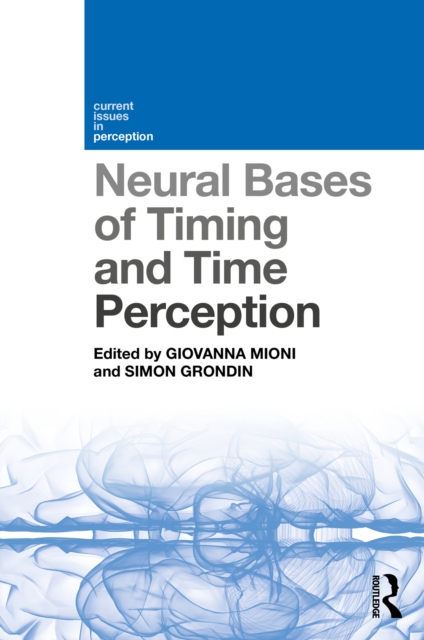
Neural Bases of Timing and Time Perception provides a cutting-edge overview of the main contemporary neuroscientific methods and findings in this burgeoning field.
Memories, sensory experiences, expectations, and intentions, as well as thoughts, fears, and hopes: all share a fundamental trait, the fact that our conscious psychological states take place in time, and often are about time in some way or other.
An illuminating look at the adaptive nature of our memoriesand how their flexibility and fallibility help us survive and thriveWe tend to think of our memories as impressions of the past that remain fully intact, preserved somewhere inside our brains.
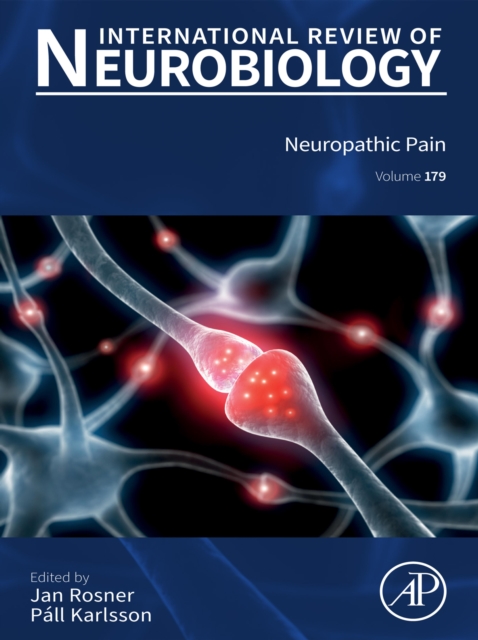
Neuropathic Pain, Volume 179 of the latest release in the International Review of Neurobiology serial,, highlights new advances in the field, with this new volume presenting interesting chapters.
This volume presents detailed reviews on biochemistry, classical genetics and traditional breeding, germplasm diversity, molecular genetics, tissue culture, biotechnology, and structural and functional genomics of ten major seed spices including ajwain, anise, celery, coriander, cumin, dill, fennel, fenugreek, Nigella and parsely.
This volume presents detailed reviews on biochemistry, classical genetics and traditional breeding, germplasm diversity, molecular genetics, tissue culture, biotechnology, and structural and functional genomics of ten major seed spices including ajwain, anise, celery, coriander, cumin, dill, fennel, fenugreek, Nigella and parsely.
the latest release in this ongoing, well-regarded serial, provides invaluable information on the exciting and fast-moving field of cancer research, with this updated edition covering chapters on A bioinformatic-driven prediction of MDA9 transcriptional variants' roles in cancer progression and treatment, Redox, cysteines, and kinases - A triad sustaining myeloid leukemia, The RAF cysteine-rich domain: structure, function, and role in disease , Membrane Potential: a new hallmark of cancer, Recent Advances and Progress in Immunotherapy of Solid Cancers, and much more.
the latest release in this ongoing, well-regarded serial, provides invaluable information on the exciting and fast-moving field of cancer research, with this updated edition covering chapters on A bioinformatic-driven prediction of MDA9 transcriptional variants' roles in cancer progression and treatment, Redox, cysteines, and kinases - A triad sustaining myeloid leukemia, The RAF cysteine-rich domain: structure, function, and role in disease , Membrane Potential: a new hallmark of cancer, Recent Advances and Progress in Immunotherapy of Solid Cancers, and much more.
This book is the second volume in a series on montology dedicated to the transdisciplinary reflection of mountain research, considering the diversity of views on mountains and their problemata in the context of rapid technological development and unprecedented accumulation and dissemination of information around the world.