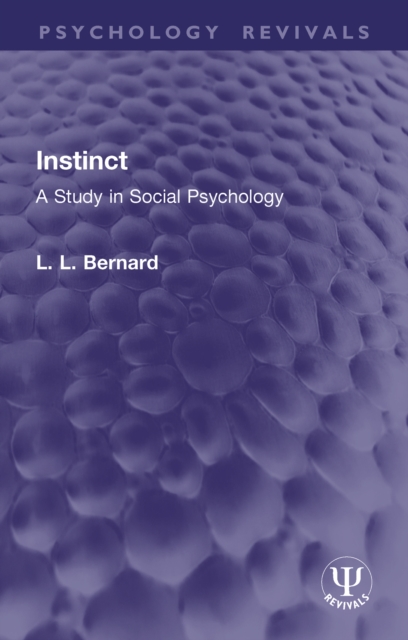
Originally published in 1925, according to the preface, Instinct: A Study in Social Psychology is the result of many years of interrupted labors that began in a graduate seminar in 1909-1910, when the author attempted to apply Professor McDougall's classification of instincts to the classification of criminals.
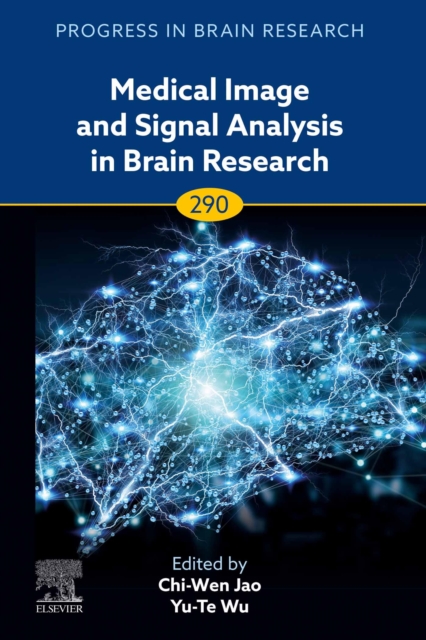
Progress in Brain Research, Volume 290 highlights new advances in the field, with this new volume presenting interesting chapters written by an international board of authors.
This book focuses on rehabilitation demonstrating how translational research may help clinicians in boosting neural plasticity and functional recovery.
This volume is unique in bringing the exciting range of antidepressant treatment developments together with a focus on their neurobiological mechanisms and how these interact with the known pathophysiology of depression.
With the expansion of human settlements and the environmental changes brought on by human activity and pollutants, toxicology and risk assessment of piscine species is becoming increasingly of interest to scientists involved in environmental research and connected disciplines.
This book focuses on rehabilitation demonstrating how translational research may help clinicians in boosting neural plasticity and functional recovery.
From economics and business to the biological sciences to physics and engineering, professionals successfully use the powerful mathematical tool of optimal control to make management and strategy decisions.
This book explores the concept of transforming the current macroeconomic system from one based on continuous growth that doesn't recognize the fundamental importance of Earth's natural support structures, to a system consistent with the basic views of biophysical economics that acknowledges that all real wealth ultimately derives from planetary resources, both renewable and non-renewable.
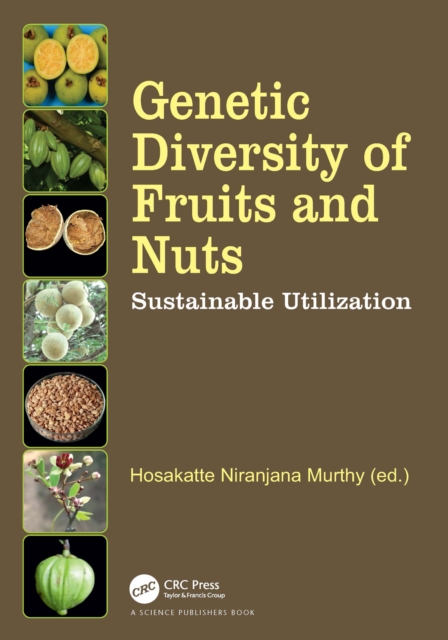
Genetic Diversity of Fruits and Nuts: Sustainable Utilization presents an account of the diversity and possible exploitation of such variability in the improvement of varied fruits and nuts of the world.
This volume is unique in bringing the exciting range of antidepressant treatment developments together with a focus on their neurobiological mechanisms and how these interact with the known pathophysiology of depression.
This book thoroughly explores strategies and greener methods, chemical and biological treatments, sustainable chemistry, and technological advancements aimed at mitigating the harmful effects of chemicals on the environment.
The First Book to Describe the Technical and Practical Elements of Chemical Text MiningExplores the development of chemical structure extraction capabilities and how to incorporate these technologies in daily research workFor scientific researchers, finding too much information on a subject, not finding enough information, or not being able&nb
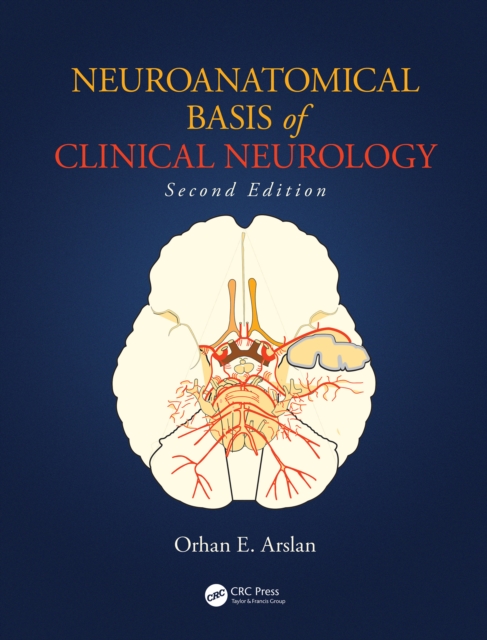
Bridging the gap between the peripheral and central nervous systems, the second edition of Neuroanatomical Basis of Clinical Neurology enriches understanding of neurological conditions through a conceptual approach to neuronal circuitry.
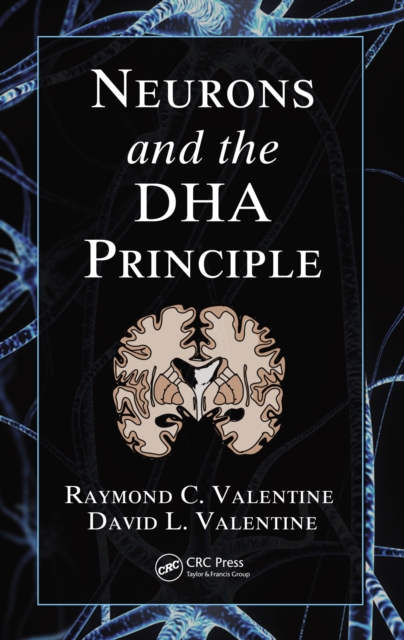
Studies with bacteria and other systems suggest that the omega-3 fatty acid DHA confers great benefits to neurons in maximizing both speed of neural impulses and energy efficiency.
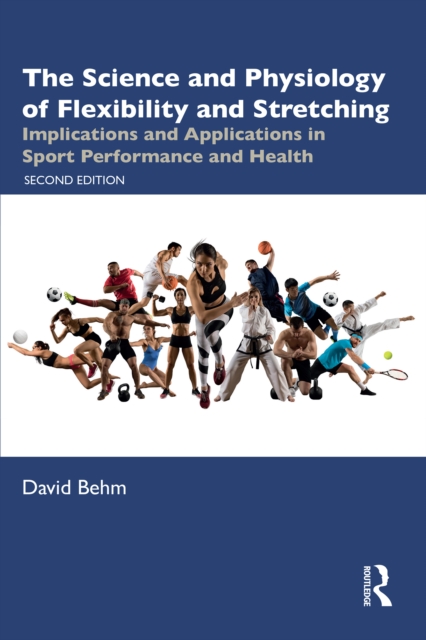
The Science and Physiology of Flexibility and Stretching is the most up-to-date and comprehensive book to cover the underlying physiology and psychology of flexibility enhancing techniques, critically assessing why, when, and how we should stretch, as well as offering a highly illustrated, practical guide to stretching exercises.
This book thoroughly explores strategies and greener methods, chemical and biological treatments, sustainable chemistry, and technological advancements aimed at mitigating the harmful effects of chemicals on the environment.
Applications of Machine Learning in Hydroclimatology is a comprehensive exploration of the transformative potential of machine learning for addressing critical challenges in water resources management.
Cosmic Ecology embarks on an ambitious journey to merge the vast realms of astronomy and ecological interconnections, inviting readers to explore the origins and intricate balances of our existence on Earth within the broader cosmos.
An emerging, ever-evolving branch of science, bioinformatics has paved the way for the explosive growth in the distribution of biological information to a variety of biological databases, including the National Center for Biotechnology Information.
This volume provides the first major overview, by eminent authorities on the subject, of recent developments in the field of endogenous substances and their regulation of sleep processes.
Quantitative tools are becoming increasingly important in order to understand complex cascade of signal transduction events, pathways or biochemical reactions.
Florida Book Awards, Gold Medal for Florida NonfictionAmerican Association of Geographers Globe Book Award for Public Understanding of GeographyAn indispensable resource for learning about the freshwater wonders of FloridaFlorida is home to over 1,000 freshwater springs, natural wonders that have drawn people to enjoy and interact with them over the course of millennia.
This book is unique as it will cover the latest technological advancements in the field of biorefinery and how it is a major futuristic component of global biofuel research.
Biochemical Evolution: The Pursuit of Perfection, Second Edition describes the relationship between biochemistry and evolutionary biology, arguing that each depends on the other to be properly understood.
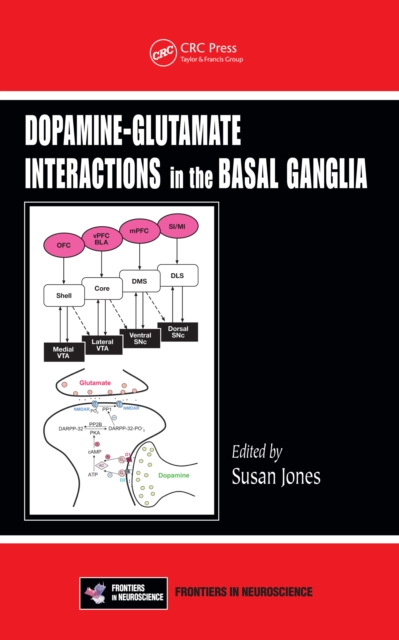
The basal ganglia are involved in complex brain functions, from voluntary movement control to learning and reward processing, and they are implicated in numerous neurological and psychiatric disorders.
A First Course in Systems Biology, Third Edition is an introduction to the growing field of systems biology for advanced undergraduates and graduate students.
As the field of nutritional neuroscience has grown, both the scientific community and the general population have expressed a heightened interest in the effect of nutrients on behavior.
The Ischemic Penumbra presents the current status of concepts and research on this topic and identifies the latest methods for clinicians to quickly and efficiently recognize viable cerebral tissue for enhanced stroke management.