This second edition focuses on Tropical Dry Forests (TDF) in the Americas and provides a comprehensive overview of new studies conducted in the last decade, giving new insights into the most endangered ecosystem in the tropics.
This book presents peer-reviewed articles from the 3rd International Conference on Opportunities and Challenges for a Resilient Future (ICOCRF 2024) held at Dehradun, India.
'Has the power to change the way you look at the world' Steven Bartlett'The heir to Oliver Sacks' David BaddielA FINANCIAL TIMES BEST BOOK OF 2024AN INDEPENDENT BOOK OF THE MONTHGluttony.
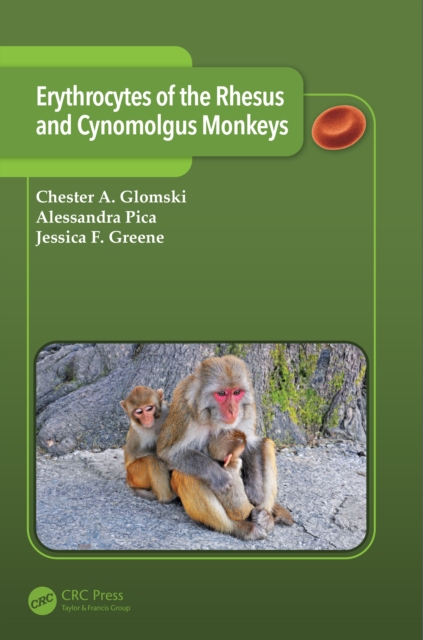
Erythrocytes of the Rhesus and Cynomolgus Monkeys addresses the morphologic, quantitative, and generative aspects of the erythrocytes of the rhesus monkey Macaca mulatta and the cynomolgus monkey Macaca fascicularis (long-tailed macaque, crab-eating monkey).
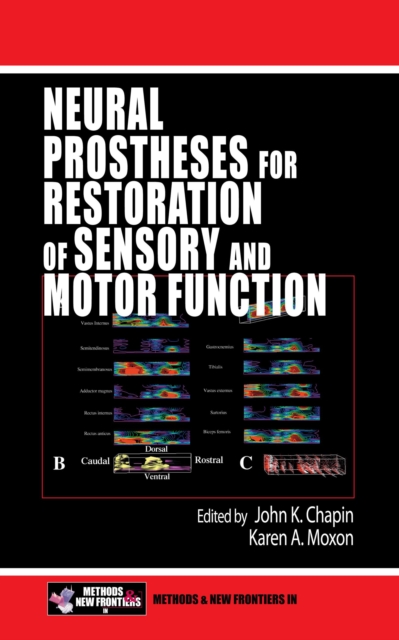
The prospect of interfacing the nervous system with electronic devices to stimulate or record from neural tissue suggests numerous possibilities in the field of neuroprosthetics.
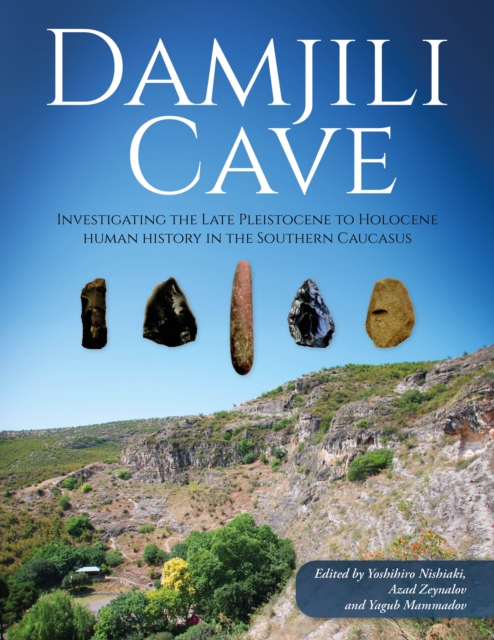
Presents archaeological evidence from the Azerbaijan-Japan excavations, revealing insights into Mesolithic to Neolithic transition and farming communities in the South Caucasus.
The field of metagenomics has revolutionized our comprehension of microbial diversity and function across various habitats, from the human body to terrestrial and aquatic environments.
Celebrating its 100th anniversary in 2015, the Ecological Society of America (ESA) is the largest professional society devoted to the science of ecology.
Part of the Performing Landscapes series, Performing Homescapes is an edited collection comprising a contemporary exploration of performing many iterations of landscapes of homes.
Quantitative tools are becoming increasingly important in order to understand complex cascade of signal transduction events, pathways or biochemical reactions.
Work in the field of neuroprosthetics requires multidisciplinary teams, but these collaborators must meet on common ground to develop an understanding of the capabilities and limitations of each part of a bioengineering project.
The Collective Spirit (1925) lays down a rough outline of what science can tell us as to the progress of evolution, and criticises the various interpretations, before endeavouring to formulate an idealist theory of evolution.
Recently, technological progress and the rise of DNA barcoding efforts have led to a significant increase in the availability of molecular datasets on intraspecific variability.
Ab dem Frühjahr 1854 begann der Augustinermönch Gregor Mendel (1822–1884) mit der Auswahl geeigneter Sorten der Gartenerbse (Pisum sativum) für seine Kreuzungsversuche, die er regelmäßig bis 1863 im Klostergarten in Alt-Brünn in Mähren durchführte.
Ab dem Frühjahr 1854 begann der Augustinermönch Gregor Mendel (1822–1884) mit der Auswahl geeigneter Sorten der Gartenerbse (Pisum sativum) für seine Kreuzungsversuche, die er regelmäßig bis 1863 im Klostergarten in Alt-Brünn in Mähren durchführte.
The unprecedented amount of data produced with high-throughput experimentation forces biologists to employ mathematical representation and computation to glean meaningful information in systems-level biology.