Since 1997, scientists of different disciplines sharing a deep interest in concepts and knowledge related to evolutionary biology have held the annual Evolutionary Biology Meetings in Marseille in order to discuss their research and promote collaboration.
Eine ernsthafte Diskussion über die Problematik des Klimawandels ist schwierig - vor allem wegen der wissenschaftlichen Unsicherheit über Ausmaß und Geschwindigkeit, aber ebenso wegen der Komplexität der Materie, die nur disziplinübergreifend erfolgversprechend bearbeitet werden kann.
In the common sense, migration is considered by many authors as a mechanism for avoiding unfavorable environments by moving to expectedly more auspicious locations at different times.
"e;The Innermost Kernel"e; offers an insightful examination of the research and history of the physicist and Nobel Laureate Wolfgang Pauli and his interest in Jungian psychology, philosophy and western world-view.
Mammalian Toll-like receptors (TLRs) were first identified in 1997 based on their homology with Drosophila Toll, which mediates innate immunity in the fly.
The main message of this monograph is that the appearance of the mammalian brain with the ability to acquire drives ensured the development of social life, and eventually led to the evolution of the human society.
The goal of this transdisciplinary book is to identify the problems and challenges facing implementation of the Convention on Biological Diversity (CBD) - from the global, regional and local points of view.
This accessibly written book introduces readers to DNA-one of the most important technologies for the manipulation of all forms of life, from simple bacteria to plants and animals.
Genetic testing has provided important clues to understanding our health, but it has also raised many ethical, legal, and medical questions and concerns.
Through engaging case studies and clear explanations of the underlying science, this book makes the social impacts and ethical consequences of recent advances in biomedicine understandable for general readers.
This accessibly written book introduces readers to DNA-one of the most important technologies for the manipulation of all forms of life, from simple bacteria to plants and animals.
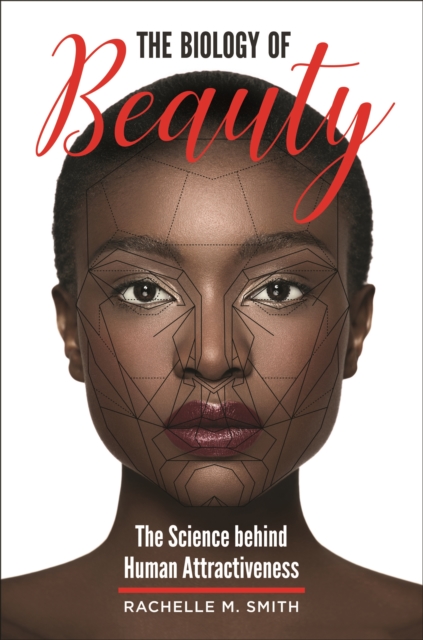
This thought-provoking book examines the science behind human attractiveness-the ratios, proportions, and other factors that to a large extent dictate what we find "e;beautiful.
A History of Ecology and Environmentalism in Spanish American Literature undertakes a comprehensive ecocritical examination of the region's literature from the foundational texts of the nineteenth century to the most recent fiction.
Darwinism in Argentina: Major Texts (1845-1909) brings together essays, letters, short-stories, and public lectures by travelers, scientists, writers, and politicians about Darwin and the theory of evolution in nineteenth century Argentina.
The success of individualized medicine, advanced crops, and new and sustainable energy sources requires thoroughly annotated genomic information and the integration of this information into a coherent model.
A History of Ecology and Environmentalism in Spanish American Literature undertakes a comprehensive ecocritical examination of the region's literature from the foundational texts of the nineteenth century to the most recent fiction.
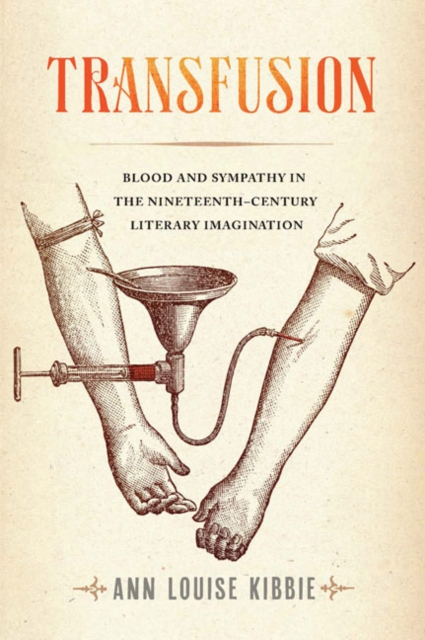
"e;England may with justice claim to be the native land of transfusion,"e; wrote one European physician in 1877, acknowledging Great Britain's crucial role in developing and promoting human-to-human transfusion as treatment for life-threatening blood loss.
"e;England may with justice claim to be the native land of transfusion,"e; wrote one European physician in 1877, acknowledging Great Britain's crucial role in developing and promoting human-to-human transfusion as treatment for life-threatening blood loss.
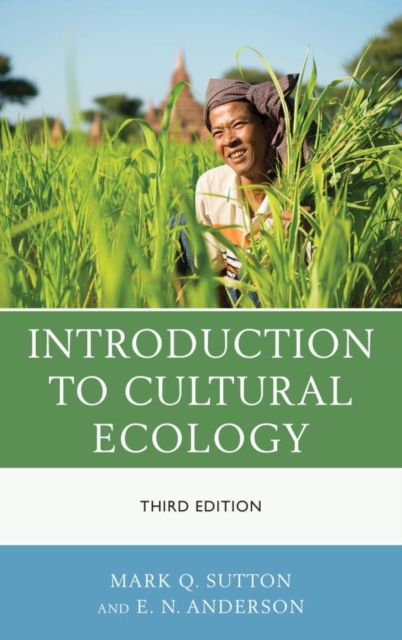
All peoples and cultures face environmental issues-but as this accessible text shows, how they respond to such issues varies widely around the world and across human history.
Sunday Times Bestseller'Passionate and well-researched' Tatler'A must-read' IndependentA social history of Labradors, and how they have become the world's most beloved dogs, by writer, presenter and long-time dog lover Ben Fogle.
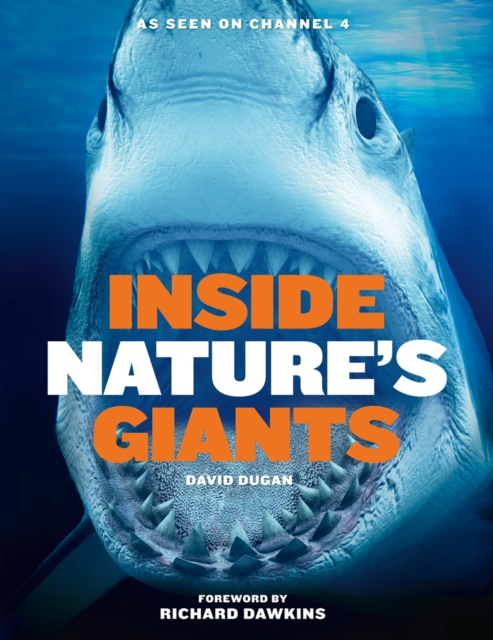
With a foreword by Richard Dawkins, and based on the BAFTA award-winning Channel 4 TV series, Inside Nature's Giants gets under the skin of the largest animals on the planet.
'A masterpiece of popularization' Times Literary Supplement'A fascinating account, based on objective scientific research, of the ways in which mental states affect the individual's liability to disease.
'Full of wonder and forensic intelligence' Isabella Tree, author of WildingA moving account of Madagascar told by a researcher who has spent over fifty years investigating the mysteries of this remarkable island.