It is more evident now than ever before that dynamic organization of human genome into nucleoprotein structure, chromatin confers the unique regulatory mechanisms for most of the cellular phenomena, which include replication, transcription, DNA repair, recombination and also apoptosis.
A comprehensive guide to the revolutionary area of systems biology and its application in cell culture engineering, this volume presents an overall picture of the current topics central to structural and functional genomics, proteomics, metabolomics and bioinformatics, including such hot topics as RNAi, metabolic engineering and unfolded protein response.

The application of microbiological methods to the extraction of metals from minerals has definitely gained a prominent role and is supported by the several bioleaching and biooxidation processes operating in different sites over the world.

The first part of Volume 9 will supply the readers with up-to-date information concerning the necessary theoretical background, both concerning removal of heavy metals from the contaminated environment, and removal, detoxication and even degradation of toxic organic contaminants.
Scientists, representing the fields of agriculture, biodiversity, ecology epidemiology, medicine, microbiology, public health, toxicology, risk assessment, environmental protection and bioethics from 15 countries and 3 continents came together in May 8-12 2005, in Sofia, Bulgaria to discuss the future of water safety and security.
Life As we Know It ["e;LAKI"e;] covers several aspects of Life, ranging from the prebiotic level, origin of life, evolution of prokaryotes to eukaryotes and finally to various affairs of human beings.
Asaresultofvarioushumanactivities,suchasincreaseinhumanpopulation,decrease in arable land due to soil degradation, urbanization, industrialization and associated increase in the demand for livestock products, dramatic changes are occurring in the global ruminant livestock sector.
The existence of a unique kind of immune cell - the killer lymphocyt- which destroys other cells in a highly specific manner, has fascinated immunologists for almost half a century.
This book is an excellent, up-to-date reference on a relatively young area of research in which virology, cellular biology and molecular pathogenesis govern the principles of coinvestigation.
The book summarizes the achievements of the past decade in the biochemistry, bioenergetics, structural and molecular biology of respiratory processes in selected genera of the domain Bacteria along with an extensive coverage of the redox chains of extremophiles belonging to the Archaean domain.
Cell immobilisation biotechnology is a multidisciplinary area, shown to have an important impact on many scientific subdisciplines - including biomedicine, pharmacology, cosmetology, food and agricultural sciences, beverage production, industrial waste treatment, analytical applications, biologics production.
Genetics and Regulation of Nitrogen-Fixing Bacteria This book is the second volume of a seven-volume series, which covers all fields of research related to nitrogen fixation - from basic studies through applied aspects to environmental impacts.
Toxigenic Fusarium species and ochratoxigenic fungi are responsible for various plant diseases which have important consequential effects on both human and animal health worldwide.
The thrilling quest for subsurface life on Earth and other planetsDeep Life takes readers to uncharted regions deep beneath Earth's crust in search of life in extreme environments and reveals how astonishing new discoveries by geomicrobiologists are helping the quest to find life in the solar system.
Antibiotics: Therapeutic Spectrum and Limitations provides up-to-date information on managing microbial infections, the development and types of antibiotics, the rationale for utilizing antibiotics, toxicity considerations, and the control of antibiotic resistance in one single resource.
Contains over 200 cases, covering every type of canine infectious diseaseFeatures international contributorsSupplies the perfect companion to Self-assessment Color Review of Feline Infectious Diseases.
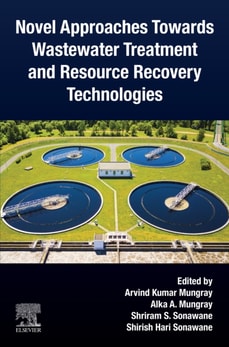
Anammox Process: Technological Advancement and Application in Industrial Wastewater Treatment Plant systematically summarizes studies on the effect of various operational factors on nitrogen removal performance, along with reactor type, mode of operation (batch or continuous), and cultured anammox bacterial species.
Systems Biology aims at deciphering the genotype-phenotype relationships at the levels of genes, transcripts (RNAs), peptides, proteins, metabolites, and environmental factors participating in complex cellular networks in order to reveal the mechanisms and principles governing the behavior of complex biological systems.
Microbial biosurfactant compounds are a group of structurally diverse molecules produced by microorganisms, and are mainly categorized according to their chemical structure.
Medicinal Plants in the Asia Pacific for Zoonotic Pandemics provides an unprecedented, comprehensive overview of the phylogeny, botany, ethnopharmacology, and pharmacology of more than 100 plants used in the traditional medical systems of Asia and Pacific.
A biologist's firsthand account of the hunt for life beneath earth's surfaceand how new discoveries are challenging our most basic assumptions about the nature of life on EarthLife thrives in the deepest, darkest recesses of Earth's crustfrom methane seeps in the ocean floor to the highest reaches of Arctic permafrostand it is unlike anything seen on the surface.
Antibiotics: Therapeutic Spectrum and Limitations provides up-to-date information on managing microbial infections, the development and types of antibiotics, the rationale for utilizing antibiotics, toxicity considerations, and the control of antibiotic resistance in one single resource.
This volume details methods to detect Rhinovirus (RV) in clinical samples, propagation and purification of virus, in vivo and in vitro model systems, and the newer molecular tools that are useful for the studying the RV infection and pathogenesis.